Wellstar Community Outreach
At Wellstar, community outreach is an important facet of our mission to enhance the health and well-being of every person we serve.
- Community Outreach
Community Outreach at Wellstar
Wellstar Health System is a nonprofit organization and is committed to being an engaged community partner. At Wellstar, we are more than healthcare, we are PeopleCare, and our passion for people extends into the communities we serve. We are committed to elevating the health and well-being of our community through outreach and partnership that honors all voices. Wellstar relies on and values our community partners and the role they play in positively impacting the health and well-being of every person we serve. Wellstar partners with mission-aligned and other non-profit organizations to address priority health needs and social determinants of health as defined through our Community Health Needs Assessments, and that also further a social cause and provide community benefit. We work alongside our business and civic partners and leaders to amplify health awareness, contribute to economic development and growth, and to help our communities thrive through service. We also partner with both academic and other organizations dedicated to career development to help prepare the next generation of caregivers and healthcare workers in both clinical and non-clinical capacities. In addition to community partnerships, Wellstar also engages in our community through corporate volunteerism, sponsorships, event participation and speaking engagements that align with our areas of focus. Each request for Wellstar to provide community support is carefully considered. Please contact us about speaking engagements, sponsorships, events, and other partnership opportunities. If you would like to receive our monthly Community Update eNewsletter, please submit your request here: [email protected]Just a few outreach examples
Wellstar supports our partner organizations such as those providing access to food and housing by engaging our team members in volunteerism and community service through Wellstar’s CommunityCare initiative. Wellstar also provides health education and awareness on important health and wellness topics such as cardiac health and stroke prevention, breast and prostate cancer prevention, and mental health including suicide prevention, and substance abuse prevention and treatment.
News
Related Articles
Highlights
Q&A: Breast Cancer Specialist Answers Mammograms and Self Breast Exams Questions
According to the American Cancer Society, 1 in 8 women will get breast cancer in their lifetime. Breast cancer is the second leading cause of cancer death for women. However, when found in its earliest stages, breast cancer can be stopped from spreading, is more treatable and nearly 100% curable. Screening is the best way to find breast cancer early. Let’s talk about mammograms as well as the right way to perform a self breast exam.
Mammograms
When should I start getting mammograms?
Unless you have a new breast problem or need to start screenings earlier because of risk, most guidelines recommend starting screening mammography at age 40.
How often should I get a mammogram?
Guidelines differ somewhat but are consistent that if you are of average risk, you should have them at least every other year. If you are at increased risk, including having dense breast tissue or a family history of breast cancer, it is recommended that you get an annual mammography screening and possibly enhanced screenings with MRI, ultrasound or contrast enhanced mammography.
Is getting a mammogram dangerous to my health?
While there is a small radiation exposure with every mammogram, the benefit of early detection of small, curable cancers almost always outweighs that risk of exposure.
Does it hurt to get a mammogram?
Some women do find mammograms uncomfortable. This is more common when having imaging just before your menstrual period when breast tissue can be swollen and more sensitive. If you do have extra sensitivity, scheduling the exam after your cycle starts or taking an over-the-counter NSAID pain reliever* a few hours before the exam may minimize the discomfort. Because positioning of the breast and taking each mammogram image is typically less than 30 seconds, the extent of discomfort during the exam is short-lived.
*NSAIDs are nonsteroidal anti-inflammatory drugs, like ibuprofen (Advil, Motrin), naproxen sodium (Aleve) and aspirin.
Breast self-exam options
Any pattern for feeling all of your breast tissue is acceptable. The goal is to make sure you are feeling with varying pressure from your collar bone to cleavage, to the bottom of the breast out to past where your breast meets your chest wall, including your armpit.
How often should I do a breast self-exam?
Self-exams should not be done too often because it can make it difficult to tell if a lump is evolving over time. Think of how hard it is to tell if your appearance changes gradually as you get older because you see yourself every day, compared to more easily seeing changes in someone’s appearance after not seeing them for a long time. Typically, once a month is enough.
Is there a best time to do a breast self-exam?
It is important to do your breast self-exam in approximately the same time in your cycle rather than a specific interval—especially since not all menstrual cycles are exactly 28 days apart. Doing the exam at the same place in your cycle will give you consistency in how the tissue should feel in terms of lumpiness, texture and density.
I encourage my patients to do their exam the day after their cycle starts as a consistent point in their hormonal cycle fluctuations.
What am I actually looking for during a breast self-exam?
Your breast self-exam should be a tool to familiarize yourself with the general “normal texture” of the tissue in each of your breasts so if you detect something that is different, you will be able to identify it as new or changed.
Can a breast self-exam replace a mammogram?
Self-breast exams cannot replace mammograms because mammograms can detect subtle changes like densities or calcifications that are too small to feel. The goal with screening mammograms is to detect breast cancer before you can feel it because early detection leads to better overall outcomes.
Learn more about breast cancer screening and treatment at Wellstar.
PeopleCare
Wellstar PeopleCare | Moving Fast, Working Together: Advanced Head & Neck Cancer Surgery Keeps David Smiling
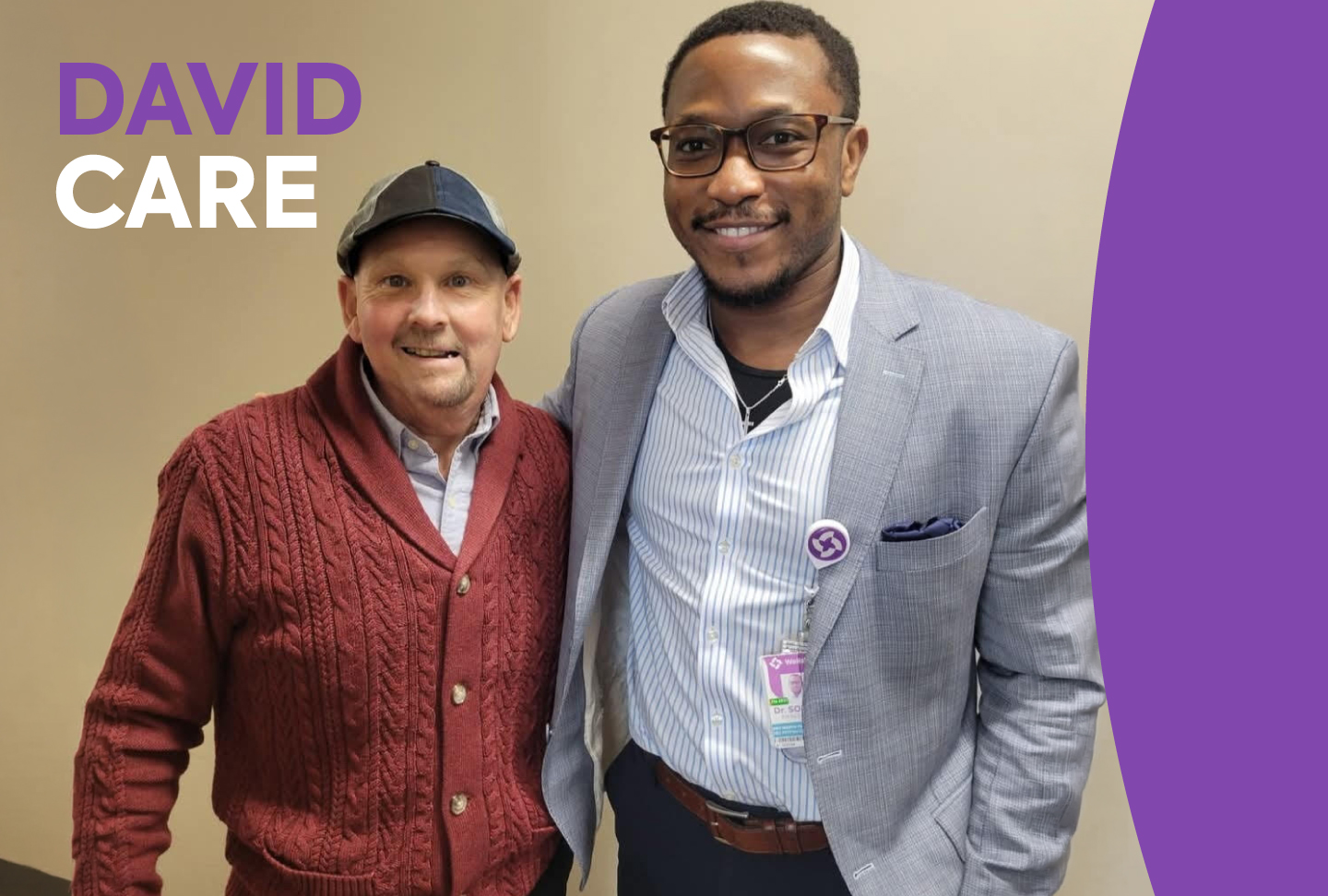
David Butler's cancer journey took him through a rare jaw reconstruction, radiation and coordinated care from specialists across Wellstar. His care team collaborated to provide what he needed as quickly and efficiently as possible.
A bothersome mouth sore
Lean and energetic, David is quick with a joke and even quicker with a smile. A neatly trimmed mustache frames a grin that lights up his blue eyes, illuminating his trademark optimism and humor. They’re qualities he kept intact throughout cancer treatment and draws on today, when he encourages people who are newly diagnosed with cancer.
It started with a sore on his gum in the fall of 2023. He assumed it would heal on its own. Instead, it got worse. When he could hardly swallow a few months later, his dentist referred him to an oral surgeon for a biopsy. That’s when he got the life-changing news: it was cancer.
“You hear the big C and it scares you to death,” David said. “But there's light at the end of the tunnel. There's always hope.”
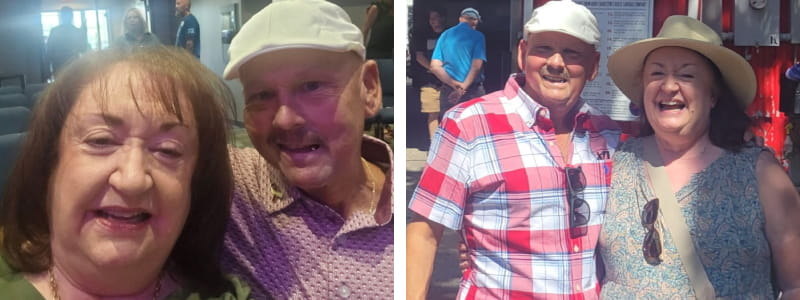
What followed was cancer treatment involving surgery, radiation, chemotherapy and support from a whole team of cancer specialists. Along the way, David said he leaned on his faith, the support of his wife, Jill, who he credits as his biggest advocate—and the expertise of Wellstar caregivers.
PeopleCare
Wellstar PeopleCare | Reaching New Heights After Head & Neck Cancer
David Butler's cancer journey took him through a rare jaw reconstruction, multiple rounds of radiation treatment, chemotherapy, intense rehabilitation and coordinated care from specialists across Wellstar.
From survival to summit
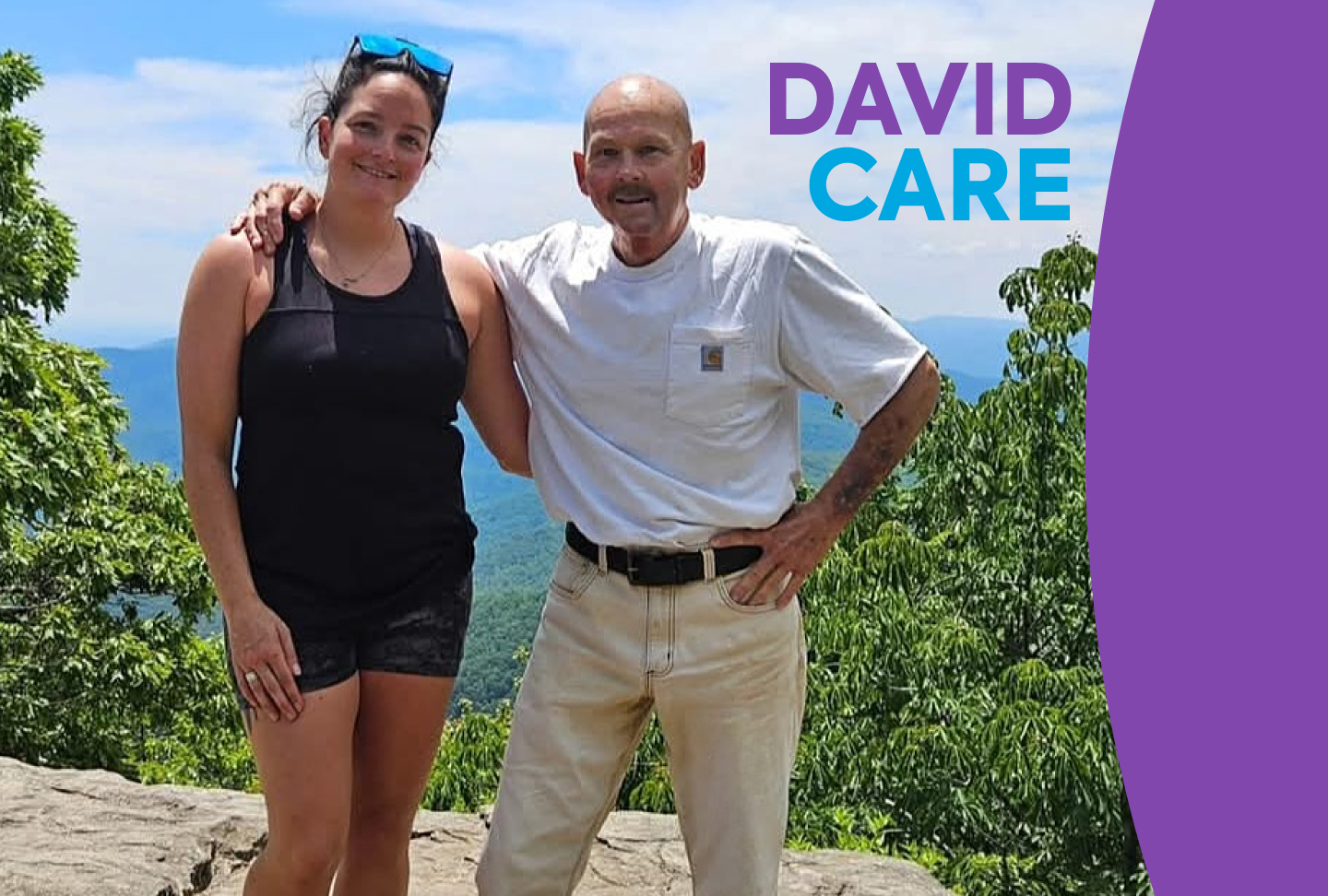
After David did the hard work of fighting cancer twice and feeling like recovery was truly sailing along, he set a new goal. David and one of his daughters, Madeline Hawkins, completed a hiking and camping trip that included summiting Blood Mountain in North Georgia. They covered 14 miles, camping overnight and making friends along the trail.

The hike wasn't easy.
“I forgot you have to be half mountain goat!” he quipped.
David moved at his own pace and pushed through lingering fatigue. Reaching the summit’s stunning vista at Preacher’s Rock was a reminder of how far he had come since his cancer diagnosis.