Skip Navigation
Book Now! Find care near you Find care near you Find care near you
wellstar-logo
Wellstar Go Back
Go to MyChart

Questions? We can help!

Call (770) 956-STAR (7827)

Monday - Friday, 7 AM - 4:30 PM

Contact Us
For Patients & Families For the Community For Providers About Us Careers
  • Start Your Care

  • Find a Doctor
  • Find a Location
  • Our Services
  • Virtual Visits
  • Planning

  • Accepted Insurance
  • Hospital Payment Planning
  • Financial Assistance
  • Pricing Information
  • Before Your Visit

  • Sign Up for MyChart
  • Visitation Guidelines
  • While You're Here

  • Support & Entertainment
  • Join an Event
  • After Your Visit

  • Pay Your Bill
  • Get Medical Records
  • Contact us
  • COVID-19 Support

  • COVID-19 Information
  • Vaccines
  • Testing Information
  • Foundation Relief
  • Community Care

  • In the Community
  • Health Highlights
  • Community Health Needs Assessment
  • Latest News
  • Center for Health Equity
  • Wellstar Find Help
  • Events & Programs

  • Events Calendar
  • On-Demand Classes
  • Support Groups
  • Give

  • Wellstar Foundation
  • Donate
  • Ways to Give
  • Thank a Caregiver
  • West Georgia
    Health Foundation
  • Volunteer

  • PeopleCare Advisory Council
  • For Adults
  • Care

  • Transfer a Patient
  • Cures Act
  • Refer a Patient
  • Lab Test Directory
  • Request to Conduct Research
  • Connect

  • Physician Relations
  • Request Imaging Services
  • Wellstar Clinical Partners
  • Wellstar Medical Group
  • Mayo Clinic Care Network
  • Medical Staff Services
  • Provider Recruitment
  • Log In

  • EpicCare Link
  • Lawson Connect
  • MyID Password Reset
  • Citrix Access
  • Leadership

  • Authority Board
  • Board Of Trustees
  • Foundation Board
  • Regional Health Boards
  • Executive Leadership
  • Awards, Recognition & Safety

  • Accreditation & Certifications
  • Awards & Recognition
  • Safety First Program
  • Nursing
  • Careers at Wellstar

  • Apply now
  • Upcoming virtual events
  • Why Wellstar?
  • Nursing Careers

  • Nursing (Direct Care)
  • Nursing Leadership
  • Nursing (Non-bedside)
  • Nursing Support
  • Physician, APP & Clinical Careers

  • Advanced Practice Providers (APPs)
  • Allied Health Professionals
  • Homecare & Hospice
  • Physicians
  • Support Team Careers

  • Administrative & Clerical
  • Coding, Compliance & HIM Systems
  • Facility, Environmental & Nutrition/Food Services
  • Information Technology & Systems
  • For Patients & Families
  • For the Community
  • For Providers
  • About Us
  • Careers
  • Search Search Search
  • MyChart MyChart MyChart

Start Your Care

Find a DoctorFind a LocationOur ServicesVirtual Visits

Planning

Accepted InsuranceHospital Payment PlanningFinancial AssistancePricing Information

Before Your Visit

Sign Up for MyChartVisitation Guidelines

While You're Here

Support & EntertainmentJoin an Event

After Your Visit

Pay Your BillGet Medical RecordsContact us

COVID-19 Support

COVID-19 InformationVaccinesTesting InformationFoundation Relief

Community Care

In the CommunityHealth HighlightsCommunity Health Needs AssessmentLatest NewsCenter for Health EquityWellstar Find Help

Events & Programs

Events CalendarOn-Demand ClassesSupport Groups

Give

Wellstar FoundationDonateWays to GiveThank a CaregiverWest Georgia
Health Foundation

Volunteer

PeopleCare Advisory CouncilFor Adults

Care

Transfer a PatientCures ActRefer a PatientLab Test DirectoryRequest to Conduct Research

Connect

Physician RelationsRequest Imaging ServicesWellstar Clinical PartnersWellstar Medical GroupMayo Clinic Care NetworkMedical Staff ServicesProvider Recruitment

Log In

EpicCare LinkLawson ConnectMyID Password ResetCitrix Access
About Wellstar

Our patients are the center of everything we do. We're nationally ranked and locally recognized for our high-quality care, inclusive culture, exceptional doctors and caregivers, and one of the largest and most integrated healthcare systems in Georgia.

About Us

Leadership

Authority BoardBoard Of TrusteesFoundation BoardRegional Health BoardsExecutive Leadership

Awards, Recognition & Safety

Accreditation & CertificationsAwards & RecognitionSafety First ProgramNursing

Careers at Wellstar

Apply nowUpcoming virtual eventsWhy Wellstar?

Nursing Careers

Nursing (Direct Care)Nursing LeadershipNursing (Non-bedside)Nursing Support

Physician, APP & Clinical Careers

Advanced Practice Providers (APPs)Allied Health ProfessionalsHomecare & HospicePhysicians

Support Team Careers

Administrative & ClericalCoding, Compliance & HIM SystemsFacility, Environmental & Nutrition/Food ServicesInformation Technology & Systems
Questions? We can help!

Call (770) 956-STAR (7827)

Monday - Friday, 7 AM - 4:30 PM

Contact Us
Close
  • Schedule With This Provider
  • Schedule At This Location
  • Schedule With This Provider
  • Schedule At This Location
  • Urgent Care
  • Primary Care
  • Virtual Care
  • Emergency Care
Close Close Close Book Now Menu
  • Schedule With This Provider
  • Schedule At This Location
  • Schedule With This Provider
  • Schedule At This Location
  • Urgent Care
  • Primary Care
  • Virtual Care
  • Emergency Care

Introducing

Wellstar Virtual Care

Access Wellstar healthcare providers
wherever you are.

Get started

Warning Warning Our "Book Now" feature should not be used for life threatening conditions such as heart attack, severe injury, poisoning, chest pain, or stroke. If you are experiencing such conditions, STOP and CALL 911 IMMEDIATELY or visit your nearest Emergency Department.

I Understand
  • Home
  • Articles
  • CJCare
Article Category: PeopleCare

CJCare

How a baseball pro faced his fears for family & health

Published on April 17, 2024

Last updated 02:06 PM April 17, 2024

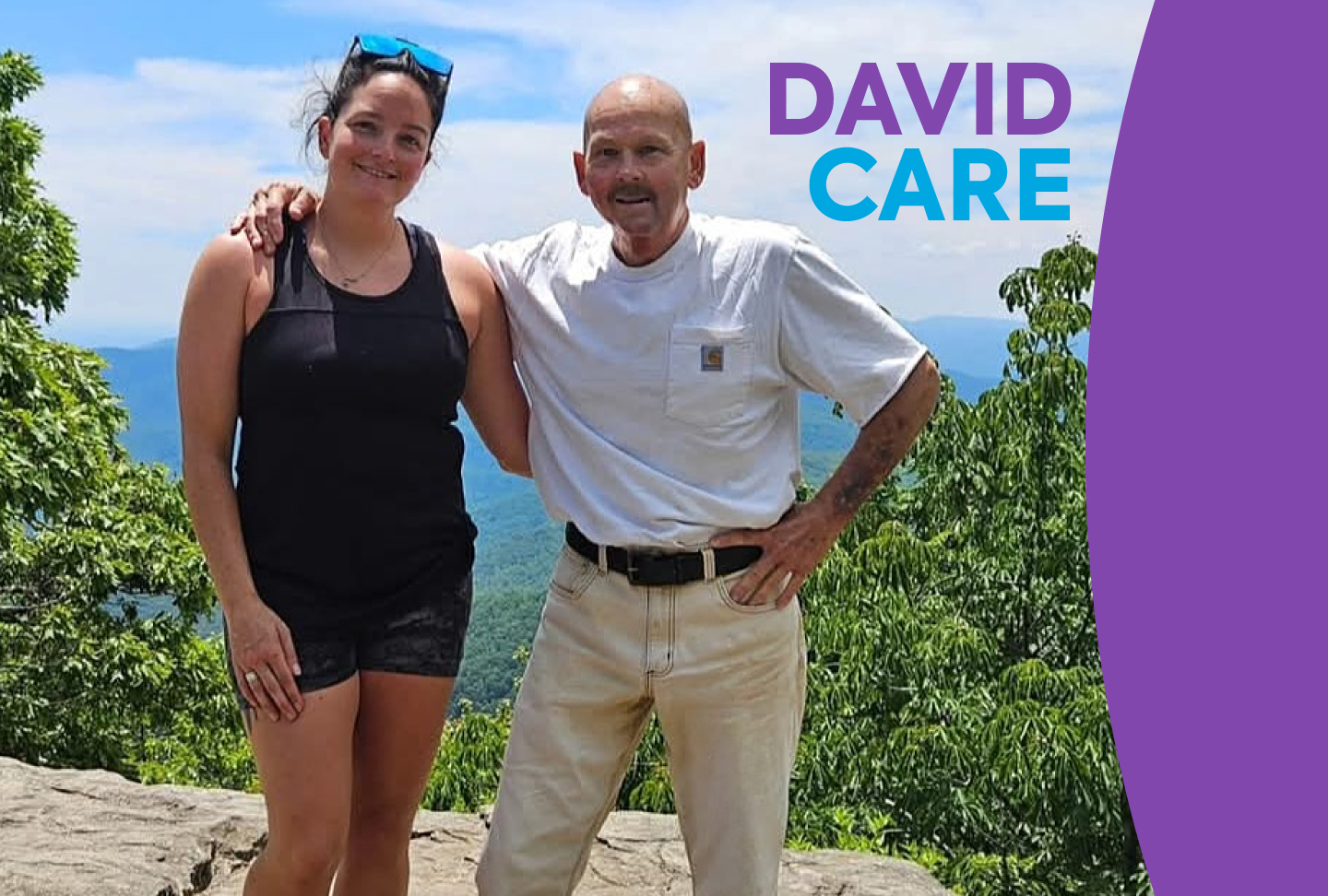
Former Chicago Cubs outfielder CJ Stewart shares how he faced his colonoscopy fears.

Former former major league baseball player CJ Stewart didn’t want to have a colonoscopy. He dreaded the liquid diet. The needles. The IV sedation. The possibility of cancer.

So how did CJ face his fears—and what happened next?

On track for a heart attack

It started in 2020 when CJ scouted a new primary care provider. He chose Dr. Randy Hines II, Wellstar Primary Care. He said Dr. Hines was the most straightforward doctor he had ever visited.

“I was overweight,” CJ remembered. “My health changed positively because Dr. Hines said things to me in a very positive way. He was direct with me and that helped save my life.”

Dr. Hines learned CJ’s father was a diabetic and had quadruple bypass heart surgery to treat a heart attack. CJ remembered him saying, “‘You’re on track to have the same thing but you can control it.’” 

CJ admitted that he had a daily dose of French fries and two peanut butter and jelly sandwiches before bed. Dr. Hines challenged him to rethink his relationship with food if he wanted to see his daughters walk down the aisle one day. It was tough talk and it meant something.

“I really love my daughters!” CJ said. “It made me change.”

As a result, he modified his diet, took up running and lost 45 pounds.

Former Chicago Cubs outfielder CJ Stewart shares how he faced his colonoscopy fears.


Preventing colorectal cancer

Then CJ’s mom revealed a family history of colon cancer.

“My wife and daughters were like, ‘We really need you to go get checked to make sure you’re good,’” he said.

Because of his fears related to the colonoscopy, CJ wanted to have Cologuard, an at-home screening test for colon cancer. But Dr. Hines recommended the 47-year-old have a preventive colonoscopy screening instead, explaining that if pre-cancerous polyps are detected during the procedure, they can be removed before becoming cancerous. 

“I didn’t want to hear it,” CJ laughed. “But hearing that from a fellow African American man, I trusted that it was the right thing to do.”
This is a way of showing love to ourselves and our families. Catching any issues early is a blessing. We can do this, and we must do this.

- CJ Stewart

Baseball player development professional & Wellstar patient

Listen to CJ's Story

Overcoming colonoscopy fears

While CJ knew it was the right decision, he was still intimidated. Spending time in prayer, reading Philippians 4:6-7 and talking with his wife, Kelli, about her own colonoscopy helped.

“I had conversations with friends and mentees who shared their own experiences overcoming fears, especially in challenging situations,” CJ said.

The day before, he didn’t eat any solid foods, drinking clear liquids and broth only. Other preparations include clearing out the colon with a doctor-recommended mix of laxatives.

“As someone who enjoys eating, the required fasting and preparation phase was particularly challenging,” he said.

Getting good results

“I finally faced my fears and underwent my first colonoscopy with Dr. Patrick Hammen at Wellstar Colon and Rectal Surgery at Wellstar Vinings Health Park,” CJ said.

Through ample follow-up in the weeks leading up to the procedure, he said he had clear instructions and plenty of information.

“The staff were amazing and brought me so much comfort,” CJ said, along with the ability to have Kelli by his side before the colonoscopy. “The procedure itself was surprisingly easy and quick, lasting just 30 minutes tops.”

CJ and his family were relieved to learn he was cancer-free.

Moving forward with health & baseball

Post-procedure, CJ noticed a newfound sense of confidence and courage. He’s able to focus on training the next baseball greats through his professional baseball development company. And, he continues working alongside his wife in their non-profit organization, L.E.A.D, empowering Atlanta’s inner-city youth through baseball. 

CJ also tells his own story to encourage other men to schedule their colonoscopies.

“This is a way of showing love to ourselves and our families,” CJ said. “Catching any issues early is a blessing. We can do this, and we must do this.”


Schedule a colonoscopy

The United States Preventive Services Task Force has recommended that screening for anyone who is at average risk should start at age 45 or earlier for people with higher risk factors, such as a family history or colon cancer-related genetic syndromes. Screening colonoscopies can prevent cancer by removing pre-cancerous polyps. Being screened for colorectal cancer can also help identify cancer in earlier stages when it is more successfully treatable. Schedule your colonoscopy screening today.


Find a gastroenterologist

Your digestive health is unique and deserving of personalized, comprehensive care. Wellstar gastroenterologists go beyond your symptoms to uncover the root cause, working hand in hand with you to craft a treatment plan to help you meet your goals. Find a gastroenterologist near you.

Tags

Colon Rectal - 4441 Atlanta Road SE Primary Care - 4441 Atlanta Road SE Vinings Health Park
Randy Todd Hines II Patrick Farrell Hammen PeopleCare Primary Care Self Care Digestive Care
Related Articles
A healthcare professional listens carefully to her patient

Highlights

Primary Care Opens Doors to Behavioral Health at Wellstar

What started as a research study has grown into a systemwide commitment at Wellstar to improve access to mental and emotional healthcare. By embedding licensed mental health practitioners in the primary care settings, Wellstar is making it easier for patients to receive behavioral health services alongside their routine medical care. 

Today, licensed clinical social workers (LCSW) work alongside primary care providers and pediatricians in more than a dozen Wellstar practices. And there are plans to grow that number.

“With social workers just steps away from an exam room, primary care physicians can make ‘warm handoffs’ for immediate behavioral health support,” said Dr. Jeffrey Tharp, chief medicine division officer for Wellstar.

“It helps lower barriers to mental health and substance use disorder treatment. And it removes some of the stigma some people associate with mental healthcare.”

Dr. Sophie Arkin, a psychologist in Wellstar’s Suicide Prevention department, said, “This is a great way to reach people who might otherwise fall through the cracks. It gives them a real opportunity to live a different life.”

Primary care clinicians connect adults to behavioral health specialists

Nearly 10 years ago, Wellstar was one of several health systems nationally that participated in a study of the effects of placing behavioral health clinicians in primary care.

The need is significant. Mental illness and substance use disorders are prevalent throughout the U.S. According to the 2024 State of Mental Health in America report, 22.5% of adults in Georgia had a mental illness in the past year. The report also said that 17% had a substance use disorder.

Primary care physicians at Wellstar routinely screen patients for depression, suicidal thoughts and alcohol or drug use. In other cases, they learn from conversations that patients may have:

  • Anxiety or panic disorders
  • Sleep disturbances
  • Stress related to work, family life or finances
  • Grief or unresolved trauma

Introducing the behavioral health clinician

When behavioral concerns emerge, the primary care team introduces the on-site clinical social worker. This specialist conducts an in-depth assessment to determine the next best steps for the patient. This is typically a short-term series of sessions that may lead to referrals to psychiatrists, psychologists or Wellstar’s suicide prevention team.

“One of the biggest strengths of this model is credibility,” Dr. Tharp said. “If a physician or nurse practitioner you trust says, ‘We have a counselor here I’d like you to meet,’ the patient is more likely to follow through.”

This model has proven especially effective for patients who are less likely to seek mental health support, such as men, seniors and caregivers.

Where primary and behavioral health cross paths

People with chronic conditions like diabetes, digestive disorders and kidney disease sometimes have or develop mental health conditions like depression and anxiety. As a result, patients may find it harder to:

  • Get the follow-up testing and care they need
  • Follow nutrition and exercise instructions
  • Take medications according to their doctor’s instructions

Not treating behavioral health issues can contribute to patients’ worsening physical health and higher medical costs.

Conversely, many patients may go to their primary care physician because they’re having trouble breathing, their heart is pounding or they have frequent headaches. Or they’re sweating or feel faint, dizzy or nauseated.

Those can be signs of a medical problem. They can also be symptoms of an emotional or mental health issue. In that case, a behavioral health clinician is around the office corner.

“We know that stress and anxiety show up in lots of different ways in the body. Understanding that allows people to adopt a new philosophy about how to take care of themselves,” Dr. Arkin said.

Pediatricians screen and refer children for behavioral health

Childhood and adolescence are critical periods in development. Mental health issues can affect a child’s ability to learn, grow and develop healthy relationships both now and as an adult.

Pediatricians routinely screen children for behavioral health concerns. They ask questions about social, emotional and behavioral development. Screenings for autism risk begin in early childhood and depression screenings begin at age 12.

At Wellstar KenMar Pediatrics in Marietta and Kennesaw, pediatricians turn to their in-house behavioral health partner, Dr. Kayla Fitch. Common reasons to refer include:

  • Behavior challenges
  • Feeding disorders, such as extreme picky eating
  • Mental health issues among children with chronic or acute illnesses
  • Requests for attention deficit hyperactivity disorder (ADHD) evaluations
  • Severe social or separation anxiety

While under her care, Dr. Fitch screens patients for anxiety and suicide risk.

“One of the things I’m the most passionate about is early anxiety treatment for kids. We can help kids when they’re 4, 5, 6 years old,” Dr. Fitch said. “I teach parents basic concepts around how to expose their children to anxiety-producing situations to decrease their anxiety.”

She helps children learn “coping strategies, like deep breathing and muscle relaxation. These are things kids can benefit from if we teach them creatively.”

Growing commitment to integrated care

Wellstar’s primary care model continues to evolve to meet the behavioral health needs of patients throughout their life. Time will bring even more collaboration and improved outcomes.

“It serves everyone—patients, families and doctors—to create these seamless connections between primary and behavioral health practitioners,” Dr. Tharp said. “We see the benefits every single day in our patients’ health and their outlooks.”

Learn more about behavioral health at Wellstar.

Keep reading
A woman holds both hands to her stomach in pain

Highlights

What You May Not Realize About Gut and Digestive Health

The Weekly Check-up Atlanta


We’ve all done it—taken an over-the-counter pain reliever for a headache, popped an antacid after a heavy meal or ignored bloating because it “comes and goes.” But some of these everyday habits can quietly damage the digestive system over time.

The gut is more connected to overall health than most people realize. “The digestive system reflects what’s happening in the rest of the body,” said Wellstar Gastroenterologist  Dr. Manjusha Das. “When something feels off, it’s often your body’s first warning sign.” Scientists now know that the gut and brain communicate through a complex network of nerves and hormones—meaning stress, mood and even sleep can influence how well your digestive system works.

Here, we share key ways to protect your gut and overall digestive health, as well as insights from Dr. Das’ experience in treating and preventing gastrointestinal disease.

1. Can common medications harm your stomach and gut?

Over-the-counter doesn’t always mean risk-free. Pain relievers such as ibuprofen, naproxen, aspirin or Goody Powder can irritate the stomach lining and lead to ulcers or internal bleeding when taken too often or on an empty stomach.

“Most people have no idea that ibuprofen causes peptic ulcer disease,” said Dr. Das. “All of these things we call non-steroidal, they help my headache, they help my back pain, but they are extremely caustic to the intestinal lining,” she said. “Even small doses taken regularly can cause problems over time. If you rely on these medications often, talk with your provider about safer long-term options.”

2. What really builds a healthy gut?

A healthy gut depends more on daily habits than on any single capsule.

What really matters:

  • Eat more fiber from vegetables, fruits and whole grains.
  • Drink plenty of water each day.
  • Get enough good sleep and find ways to manage stress.
  • Limit processed foods, sugary drinks and alcohol.

Probiotics can play a role, but they’re not a cure-all. Persistent bloating, diarrhea or abdominal pain could signal  irritable bowel syndrome (IBS) or inflammatory bowel disease (IBD)—conditions that require professional medical care. “If your symptoms last more than two weeks or keep returning, schedule a GI evaluation,” Dr. Das advised.

3. Can colon cancer screening wait?

Don’t wait to schedule your colorectal cancer screening, such as a colonoscopy. Colon cancer often grows quietly, which is why screening can save lives. Colon cancer is also showing up in younger patients, which is why national guidelines now recommend you start screening at age 45—and earlier for anyone with a family history or concerning symptoms. “A colonoscopy doesn’t just detect cancer—it prevents it,” Dr. Das said. “We remove pre-cancerous polyps before they become dangerous.”

4. How do you protect your liver before problems start?

Liver disease often develops silently, with no obvious symptoms until significant damage occurs. Dr. Das has seen a sharp increase in fatty liver disease —both alcohol-related and non-alcoholic—since the pandemic, often tied to higher stress, poor diet and inactivity.

The encouraging news: The liver can heal when damage is caught early.

To protect your liver:

  • Drink alcohol in moderation—or skip it altogether.
  • Stay active and maintain a healthy weight.
  • Choose fresh, whole foods instead of processed ones.
  • Ask your provider for a simple blood test to check your liver health, especially if you have diabetes, high cholesterol or obesity.

“Most liver conditions are preventable,” Dr. Das said. “Small lifestyle changes make a lasting difference.”

5. When should you listen to your gut—literally?

Your digestive system is a built-in feedback loop. Bloating, reflux or bowel changes are signals worth listening to—not ignoring or masking with over-the-counter remedies. Frequent self-treatment can hide underlying issues such as ulcers, celiac disease or inflammatory conditions that need targeted care. “When symptoms repeat, they’re trying to tell you something,” Dr. Das explained. “The earlier we investigate, the easier it is to treat.”

Prevention starts with awareness

Digestive health doesn’t require complicated cleanses or trendy supplements. What truly matters is awareness, balance and consistent preventive care—habits that support the gut, liver and entire body. “The best medicine is preventive medicine,” Dr. Das said. “When you know your risks and act early, you can avoid most GI complications.”

What can you do next?

  • Schedule your screening colonoscopy if you’re 45 or older.
  • Ask your primary care provider about your liver health.
  • Find a Wellstar gastroenterologist near you for guidance that fits your needs.
Keep reading
A friendly image of Kathy

PeopleCare

KathyCare

Kathy DeJoseph delights in making and giving away thousands of soft and cheerful hats to Wellstar cancer patients through a nonprofit she founded called Happy Caps. It’s all in the name of bringing a little light and comfort to people during a hard time.

Where did the idea come from? It started with Kathy’s own lung cancer diagnosis.

A commitment to yearly lung cancer screening

A cancer survivor for more than a decade, Kathy said regular lung cancer screenings were the key to her survival. With a long history of smoking and growing up around relatives who smoked, she decided to join an early detection lung cancer study at Wellstar.

Even though she felt fine and had no symptoms, committing to the study meant having an annual low-dose CT scan every year. After several years of clean scans with no signs of lung cancer, Kathy told a nurse that she was going to quit. But the nurse persuaded her to come in for another screening.

“Thank goodness she did,” Kathy said. “I was diagnosed the very next day.”

Quick and efficient treatment at the STAT Clinic

Being a part of the study and getting screened early allowed Kathy to move immediately to Wellstar Lung Cancer STAT Clinic at Wellstar Kennestone Regional Medical Center.

STAT stands for Specialty Teams and Treatment, highlighting the collaboration of multiple cancer experts. Together, they come to a consensus on a treatment plan and meet with the patient on the same day. This puts the patients at the center of their care plan, allowing them and their families to get immediate answers to questions, make decisions and start treatment faster.

“The biggest benefit for me with the way the STAT Clinic works is that I didn’t have to worry about whether the doctors had actually talked to each other,” Kathy said. “They’d come in one after another and tell me what they thought from their expertise.”

Immediate communication and mutual agreement among medical experts mean treatment plans are established and started faster, which is proven to improve long-term survival. On average, it takes 60 to 90 days from the time of diagnosis to treatment in the U.S. With the STAT Clinic at Wellstar, patients go from diagnosis to treatment in 14 to 20 days.

Kathy’s treatment started quickly—she had a lung biopsy the day after her STAT Clinic appointment and started chemotherapy a week later.

“I wasn’t as terrified for as long as most people are because I had answers within a short period of time,” Kathy remembered.

She had surgery once she completed chemotherapy. Throughout the process, she had the support of an entire cancer team, including a medical oncologist, a lung cancer surgeon, a pulmonologist and a nurse navigator.

Keep reading
Back to Top
Branding illustration
Wellstar Logo
More than healthcare. PeopleCare.
Branding illustration
For Job Seekers & Team
Careers Diversity Equity Inclusion and Belonging Onboarding
For Students
Students Portal
Graduate Medical Education
Medical Residency Pharmacy Residency
For Business
Corporate Purchasing
For the Media
Media Room Community Health Needs Assessment
Help
Contact Us Pay Your Bill Policy & Privacy Information Hospital Transparency Information Price Transparency
For Job Seekers & Team
Careers Diversity Equity Inclusion and Belonging Onboarding
For Students
Students Portal

Graduate Medical Education
Medical Residency Pharmacy Residency
For Business
Corporate Purchasing
For the Media
Media Room Community Health Needs Assessment
Help
Contact Us Pay Your Bill Policy & Privacy Information Hospital Transparency Information Price Transparency

Copyright © 2025 Wellstar Health System. All Rights Reserved.

Wellstar does not discriminate on, exclude people or treat them differently on the basis of race, color, national origin, age, disability, sex, gender identity or expression or any other type of discrimination prohibited by law.

Cookie Preferences

We use cookies for booking and general analytics. Learn more about or internet privacy policy.