Skip Navigation
Book Now! Find care near you Find care near you Find care near you
wellstar-logo
Wellstar Go Back
Go to MyChart

Questions? We can help!

Call (770) 956-STAR (7827)

Monday - Friday, 7 AM - 4:30 PM

Contact Us
For Patients & Families For the Community For Providers About Us Careers
  • Start Your Care

  • Find a Doctor
  • Find a Location
  • Our Services
  • Virtual Visits
  • Planning

  • Accepted Insurance
  • Hospital Payment Planning
  • Financial Assistance
  • Pricing Information
  • Before Your Visit

  • Sign Up for MyChart
  • Visitation Guidelines
  • While You're Here

  • Support & Entertainment
  • Join an Event
  • After Your Visit

  • Pay Your Bill
  • Get Medical Records
  • Contact us
  • COVID-19 Support

  • COVID-19 Information
  • Vaccines
  • Testing Information
  • Foundation Relief
  • Community Care

  • In the Community
  • Health Highlights
  • Community Health Needs Assessment
  • Latest News
  • Center for Health Equity
  • Wellstar Find Help
  • Events & Programs

  • Events Calendar
  • On-Demand Classes
  • Support Groups
  • Give

  • Wellstar Foundation
  • Donate
  • Ways to Give
  • Thank a Caregiver
  • West Georgia
    Health Foundation
  • Volunteer

  • PeopleCare Advisory Council
  • For Adults
  • Care

  • Transfer a Patient
  • Cures Act
  • Refer a Patient
  • Lab Test Directory
  • Request to Conduct Research
  • Connect

  • Physician Relations
  • Request Imaging Services
  • Wellstar Clinical Partners
  • Wellstar Medical Group
  • Mayo Clinic Care Network
  • Medical Staff Services
  • Provider Recruitment
  • Log In

  • EpicCare Link
  • Lawson Connect
  • MyID Password Reset
  • Citrix Access
  • Leadership

  • Authority Board
  • Board Of Trustees
  • Foundation Board
  • Regional Health Boards
  • Executive Leadership
  • Awards, Recognition & Safety

  • Accreditation & Certifications
  • Awards & Recognition
  • Safety First Program
  • Nursing
  • Careers at Wellstar

  • Apply now
  • Upcoming virtual events
  • Why Wellstar?
  • Nursing Careers

  • Nursing (Direct Care)
  • Nursing Leadership
  • Nursing (Non-bedside)
  • Nursing Support
  • Physician, APP & Clinical Careers

  • Advanced Practice Providers (APPs)
  • Allied Health Professionals
  • Homecare & Hospice
  • Physicians
  • Support Team Careers

  • Administrative & Clerical
  • Coding, Compliance & HIM Systems
  • Facility, Environmental & Nutrition/Food Services
  • Information Technology & Systems
  • For Patients & Families
  • For the Community
  • For Providers
  • About Us
  • Careers
  • Search Search Search
  • MyChart MyChart MyChart

Start Your Care

Find a DoctorFind a LocationOur ServicesVirtual Visits

Planning

Accepted InsuranceHospital Payment PlanningFinancial AssistancePricing Information

Before Your Visit

Sign Up for MyChartVisitation Guidelines

While You're Here

Support & EntertainmentJoin an Event

After Your Visit

Pay Your BillGet Medical RecordsContact us

COVID-19 Support

COVID-19 InformationVaccinesTesting InformationFoundation Relief

Community Care

In the CommunityHealth HighlightsCommunity Health Needs AssessmentLatest NewsCenter for Health EquityWellstar Find Help

Events & Programs

Events CalendarOn-Demand ClassesSupport Groups

Give

Wellstar FoundationDonateWays to GiveThank a CaregiverWest Georgia
Health Foundation

Volunteer

PeopleCare Advisory CouncilFor Adults

Care

Transfer a PatientCures ActRefer a PatientLab Test DirectoryRequest to Conduct Research

Connect

Physician RelationsRequest Imaging ServicesWellstar Clinical PartnersWellstar Medical GroupMayo Clinic Care NetworkMedical Staff ServicesProvider Recruitment

Log In

EpicCare LinkLawson ConnectMyID Password ResetCitrix Access
About Wellstar

Our patients are the center of everything we do. We're nationally ranked and locally recognized for our high-quality care, inclusive culture, exceptional doctors and caregivers, and one of the largest and most integrated healthcare systems in Georgia.

About Us

Leadership

Authority BoardBoard Of TrusteesFoundation BoardRegional Health BoardsExecutive Leadership

Awards, Recognition & Safety

Accreditation & CertificationsAwards & RecognitionSafety First ProgramNursing

Careers at Wellstar

Apply nowUpcoming virtual eventsWhy Wellstar?

Nursing Careers

Nursing (Direct Care)Nursing LeadershipNursing (Non-bedside)Nursing Support

Physician, APP & Clinical Careers

Advanced Practice Providers (APPs)Allied Health ProfessionalsHomecare & HospicePhysicians

Support Team Careers

Administrative & ClericalCoding, Compliance & HIM SystemsFacility, Environmental & Nutrition/Food ServicesInformation Technology & Systems
Questions? We can help!

Call (770) 956-STAR (7827)

Monday - Friday, 7 AM - 4:30 PM

Contact Us
Close
  • Schedule With This Provider
  • Schedule At This Location
  • Schedule With This Provider
  • Schedule At This Location
  • Urgent Care
  • Primary Care
  • Virtual Care
  • Emergency Care
Close Close Close Book Now Menu
  • Schedule With This Provider
  • Schedule At This Location
  • Schedule With This Provider
  • Schedule At This Location
  • Urgent Care
  • Primary Care
  • Virtual Care
  • Emergency Care

Introducing

Wellstar Virtual Care

Access Wellstar healthcare providers
wherever you are.

Get started

Warning Warning Our "Book Now" feature should not be used for life threatening conditions such as heart attack, severe injury, poisoning, chest pain, or stroke. If you are experiencing such conditions, STOP and CALL 911 IMMEDIATELY or visit your nearest Emergency Department.

I Understand
  • Home
  • Articles
  • Advanced Heart Care Close to Home
Article Category: Highlights

Advanced Heart Care Close to Home

Published on February 05, 2025

Last updated 11:36 AM February 07, 2025

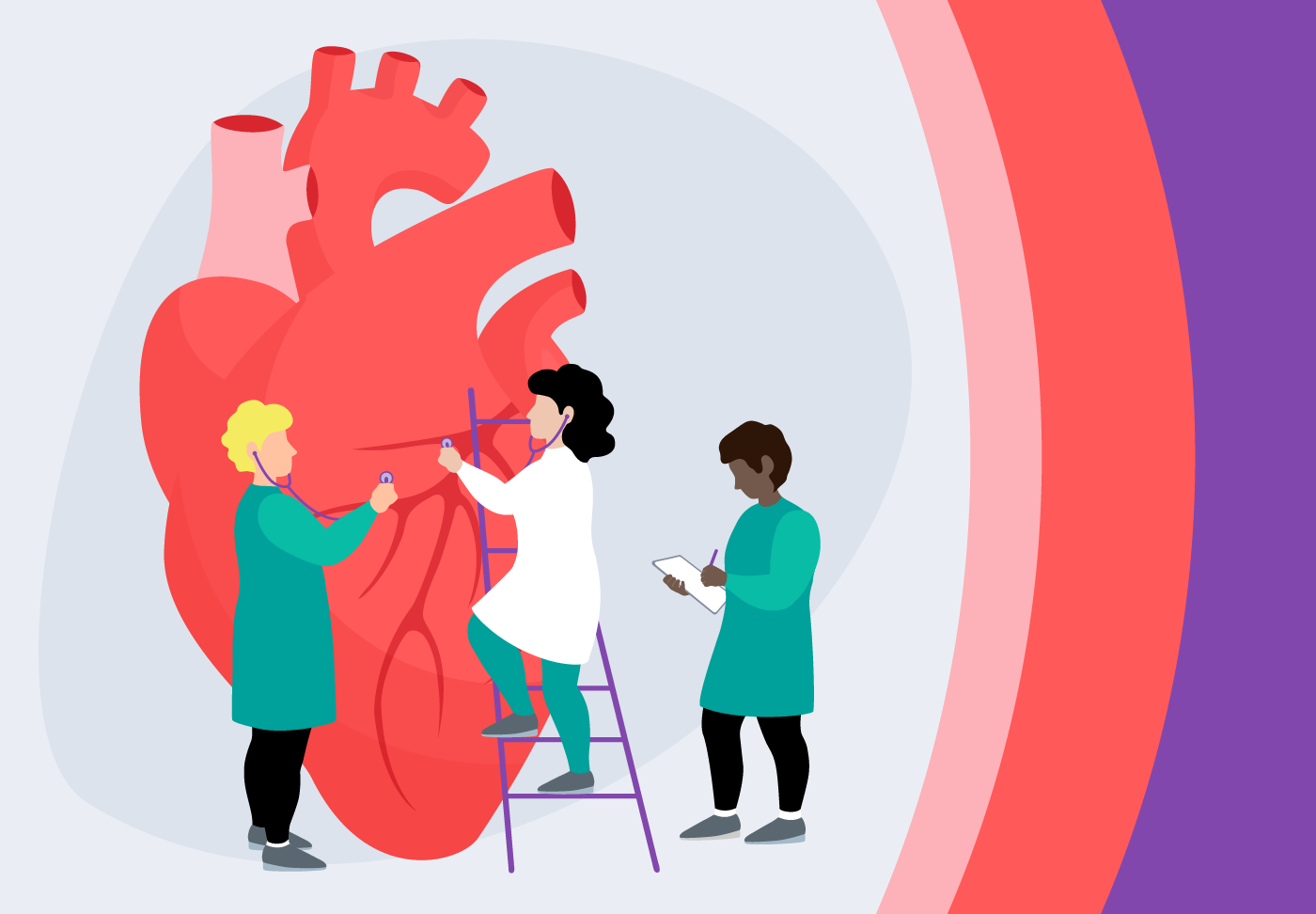
Illustration of cardiovascular experts repairing a heart together.

When it comes to getting high-quality care for your heart, you can count on Wellstar.

Because we know heart health is an essential part of overall wellness, we offer leading expertise, innovative treatments and compassionate care to protect your cardiovascular health.

From heart attacks and rehabilitation to cardiac surgery and psychological support, your heart is in expert hands at Wellstar.

High-tech heart treatments

With the largest network of certified Emergency Cardiac Care Centers (ECCC) in Georgia, Wellstar ensures world-class heart care is never far away.

Our cardiovascular experts are ready to treat patients at the first signs of a heart attack. We use high-tech equipment—including electrocardiograms (EKG), chest X-rays and cardiac catheterization—to diagnose heart attacks quickly.

Getting the right care can minimize or even prevent heart damage. That’s why Wellstar relies on the most advanced treatments, such as Shockwave technology, medicines and life-saving cardiac surgery, to effectively prevent and treat heart attacks as fast as possible.

Wellstar Kennestone Regional Medical Center has a cardiac hybrid operating room, bringing a catheterization lab and surgery suite together in one place. With catheter-based procedures, our interventional cardiologists can provide expert, minimally invasive heart attack care.

We also perform structural heart procedures, including valve repairs and replacements, along with cardiac surgery and electrophysiology procedures that can determine the cause of heart rhythm problems.

At Wellstar, we don’t just treat heart conditions when they happen. Our providers also offer world-class preventative care, helping people like Latoya Jordan catch chronic conditions—such as high blood pressure—at the very start.

The Wellstar Comprehensive Aortic Program provides treatment for people with emergency and non-emergency diseases of the aorta. We offer cutting-edge procedures and devices to diagnose, monitor and repair all types of aneurysms. From screening to treatment, our team uses a coordinated approach to care which includes comprehensive diagnostic testing. When urgent care is warranted, we can treat aortic emergencies quickly.

Care that never skips a beat

If an on-going heart condition, such as atrial fibrillation (AFib), is keeping you down, Wellstar has a team of experts who can help.

When Frank Ryan’s heart had trouble keeping pace and kept him from playing the tuba, he felt off-beat in everyday life. After getting specialized care at Wellstar, he’s back in the band again.

Wellstar Cardiac Electrophysiologist Dr. Narendra Kanuru shared state-of-the-art treatments available for heart rhythm disorders.

“Along with advanced medical therapies, we have numerous interventional or surgical therapies, including pacemakers, defibrillators and other advanced cardiac devices as well as cardiac catheter ablation,” Dr. Kanuru said.

Cardiac catheter ablation is a non-surgical procedure available at Wellstar that helps restore a regular heart rhythm by blocking abnormal electrical signals.

With the latest advances in electrophysiology at Wellstar, we’re keeping hearts going strong.

Hope for heart failure

Wellstar also provides expert care for people with congestive heart failure like Bow Matthews. The husband and father-of-two found support from our Heart Failure Academy and learned how to take care of his well-being for the long haul.

To help prevent heart failure flare-ups, Wellstar offers a remote heart monitoring technology that provides real-time health information to our providers.

“With heart failure, as with all health issues, it’s best to take preventative action and stop problems from occurring,” said Dr. Hans Lee, medical director for the Wellstar congestive heart failure program. “Monitoring your heart health and staying in touch with your cardiologist can help keep you out of the hospital and keep your heart in shape.”

For those whose hearts need extra assistance like Mike Clements, a left ventricular assistance device (LVAD) can be a game-changer. An LVAD is a battery-powered pump that is surgically implanted to help the heart more effectively pump blood.

"An LVAD gives patients with severe heart failure the opportunity to get their lives back,” said Dr. Brian Howard, medical director of the advanced heart failure and LVAD program at Wellstar Kennestone. “These life-saving devices are powerful enough to take over for the failing heart. They allow patients to enjoy life with their loved ones as they await a heart transplant, and in some cases, they even serve as an alternate to a heart transplant entirely.”

At the Heart Failure Clinic at Wellstar Cobb Medical Center and the Advanced Heart Failure Program at Wellstar Kennestone, trained experts provide specialized care for those with heart failure and LVAD implants, helping to improve quality of life.

After Mike received his LVAD implant, he was able to walk his daughter down the aisle at her wedding. Thanks to advanced technology available at Wellstar, patients with heart failure can keep doing what matters most.

Specialized support services

Wellstar has dedicated resources to help people with cardiac conditions find support.

Following a medical event like a heart attack or other serious cardiac problem, Wellstar offers cardiac rehabilitation to get people back on track.

Cardiac rehabilitation is a medically monitored program that provides education, support and lifestyle modifications. Our team helps you learn heart-healthy behaviors and lower your risk for future heart issues.

However, we understand health journeys aren’t just about physical healing. Dealing with heart issues can also cause many difficult mental health challenges, including anxiety and depression.

“At Wellstar, we wanted to build out a program just for our cardiovascular patients because behavioral health and cardiac health are really closely connected,” said Dr. Shawn Coyne, Wellstar director of health psychology and cardiac psychologist. “In fact, cardiac patients are three times more likely to be depressed than the general population.”

After living with three chronic heart conditions for years, John Petrick found solace in meeting with a Wellstar cardiac psychologist. Now, he’s learned new coping skills and how to prioritize his mental well-being.

With support services at the ready, patients with complex conditions can better understand themselves and their overall health.

Care to keep your heart healthy

No matter what your cardiovascular concerns may be, Wellstar is dedicated to helping people with heart conditions live life to the fullest.

Learn more about how Wellstar is protecting heart health in Georgia, and how you can take control of your cardiovascular health.

Tags

Narendra Kumar Kanuru Hans Hanwoo Lee Brian Gaston Howard
Shawn Marie Coyne Heart Care
Related Articles
Healthcare provider listens to her patient's heart using a stethoscope

Highlights

How Wellstar’s Cardio-Oncology Program Protects Heart Health During Cancer Care

Cancer treatment can save lives—but for some people, it can also be hard on the heart.

Wellstar's Cardio-Oncology Program provides specialized care to address this risk. The program offers cancer-focused heart care that helps protect cardiovascular health before, during and after treatment.

Our cardio-oncology experts support people with cancer who have heart disease, are at high risk for heart problems or are receiving therapies that may affect heart function. By monitoring heart health and coordinating care, we help people receive the most appropriate cancer treatment while reducing the risk of heart complications.

Expertise in heart disease and cancer care

Researchers have identified a connection between cancer care and cardiovascular health, leading to the creation of cardio-oncology. At Wellstar, this specialized care is available in metro Atlanta and Augusta, expanding access for people across Georgia.

“Cardio-oncology exists because more people are surviving cancer and living long enough to face heart-related complications,” said Dr. Avirup Guha, a board-certified cardio-oncologist at Wellstar Georgia Cancer Center and the first designated fellow of the International Cardio-Oncology Society in Georgia. “For some patients, cancer treatments can damage their heart. For others, they may have existing cardiovascular disease that needs careful management during cancer care. That requires expertise beyond cardiology—knowing how to modify therapy without causing harm.”

Cardio-oncologists are cardiologists with advanced training in how cancer therapies affect the heart. They help guide treatment decisions and work closely with oncology teams to ensure patients receive safe, effective care.

“A lot of oncology treatments are very effective for cancer, but the heart can become an innocent bystander,” said Wellstar Cardio-Oncologist Dr. Nikolas Krishna, who also specializes in advanced heart failure and transplant cardiology. “We advocate for these patients so their oncology and cardiology teams work together for the best possible outcome.”

Coordinated, team-based care

Multidisciplinary collaboration is central to Wellstar Cardio-Oncology. Cardiologists, oncologists, nurse navigators and other specialists communicate directly to align care and support both cancer outcomes and heart health.

“Our program helps address complications before they happen and streamlines care so people aren’t going back and forth between specialists,” Dr. Guha said.

Wellstar Cardio-Oncology teams partner with patients and families to understand risks and create a personalized plan. This may include imaging, blood tests and ongoing monitoring to detect early signs of heart conditions during chemotherapy, hormone therapy or radiation.

Additionally, Wellstar Cardio-Oncology nurse navigators—registered nurses with advanced training—provide compassionate guidance throughout the care journey.

“Nurse navigation plays a key role in educating patients and making sure they .understand their care plan,” said Dr. Guha. “It’s all about communication.”

Who can benefit from cardio-oncology care

Cardio-oncology care supports people from diagnosis through survivorship, especially when treatments or existing conditions may affect heart health.

You may benefit from cardio-oncology services if you have cancer or were treated for cancer within the past five years and you:

  • Have heart failure or another existing heart condition
  • Are at high risk for heart disease
  • Have experienced cardiovascular complications after cancer treatment
  • Require chemotherapy that may be cardiotoxic or radiation therapy to the chest

Some cancer treatments can weaken the heart muscle or alter heart function, making monitoring and early intervention essential. Therapies known to affect the heart include anthracyclines, platinum-based chemotherapy, HER2-targeted therapies, tyrosine kinase inhibitors (TKIs), immune checkpoint inhibitors (ICIs) and fluoropyrimidines.

“Too often we see patients years after treatment when heart problems have already developed,” Dr. Krishna said. “By screening earlier and seeing patients upstream, we can prevent disease rather than treat it after it occurs.”

Support that extends into survivorship

When cancer treatment ends, Wellstar Cardio-Oncology teams continue monitoring heart health and providing preventive care tailored to each person’s history.

“Survivors may face accelerated cardiovascular risks years later,” said Dr. Krishna. “By continuing to screen and monitor, we can help catch any issues and protect their long-term health and quality of life.”

This ongoing care gives patients greater peace of mind as they navigate recovery.

“We want patients to know we are a layer of reassurance,” Dr. Krishna said. “They don’t have to worry about treatment hurting their heart—we are here to protect it so they can focus on healing.”

By combining advanced expertise, early monitoring and compassionate support, Wellstar’s Cardio-Oncology Program helps people face cancer with confidence.

Learn more about cardio-oncology services at Wellstar.

Keep reading
Thanks to a team of heart failure doctors and the Optimizer Heart Mini, Pat's back to dancing the Carolina shag again.

PeopleCare

PatCare

Pat Gelisse has been dancing for 30 years. She even taught the Carolina shag for a while. It’s a partner dance, sometimes compared to Swing dancing to beach music.

But severe heart failure downgraded Pat’s dancing queen status for close to 10 years.

“I went from feeling happy to feeling like a nothing,” she remembered of that time in her life.

With a team of Wellstar heart specialists working together for her, Pat found hope and new life on the dance floor.

Heart failure masquerades as acid reflux

It started more than a decade ago when Pat lived in central Georgia. She scheduled a doctor’s appointment for what she thought was acid reflux. She popped in on a quick break from her marketing job, assuming it wouldn’t take long.

Blood work and an EKG got Pat a ticket straight to the hospital and a quadruple bypass. 

“My heart got worse; it wasn’t pumping blood,” Pat said.

She was in acute heart failure, a life-threatening condition where the heart doesn’t pump well enough to deliver the necessary amount of oxygen to her body. Pat’s ejection fraction (EF)—the percentage measurement of the blood that leaves the heart each time it pumps—was only 10%. The normal range is 50 to 70%.

It was a scary time, and with a family history of heart problems, Pat was worried. She’d lost both parents to heart failure, as well as other family members.

“I just knew for sure I was going to be next,” said Pat.

Doctors from various academic institutions discussed serious treatments ranging from LVAD to transplant, but because the pumping performance of her heart improved, she was no longer a candidate for those procedures. Instead, Pat spent close to nine years managing her heart failure with a pacemaker and various medications—treatments that failed to get her back on the dance floor.

Keep reading
Doing good CPR is critical to save someone from cardiac arrest.

PeopleCare

KevinCare

There aren’t many people out there who can say they survived cardiac arrest at 30. Kevin Miskewicz can.

According to the American Heart Association, more than 90% of people who experience an out-of-hospital cardiac arrest die. Those who survive often have permanent neurological disabilities. But Kevin’s story has an incredibly fortunate ending, thanks to the highly coordinated work of his medical experts at Wellstar.

Recovering from cardiac arrest is something Kevin will never forget. It lives forever as a piece of his health history—one that includes a dedicated healthcare team—and his wife, who was the first to save his life.

There aren’t many people out there who can say they survived cardiac arrest at 30. Kevin can.

CPR to the rescue

Kevin woke up on Labor Day 2017 at 5:30 AM to take the dog out. Pausing to adjust the thermostat as he came in, he fell, knocking over a lamp.

He was in cardiac arrest.

With no symptoms and no known pre-existing condition, this was unexpected, but that didn’t stop his wife, Andrea, from jumping into action.

“If it weren’t for me knocking over a lamp when I passed out,” said Kevin, “she would have never woken up and saved my life.”

In addition to calling 911 and unlocking the door for the paramedics, Andrea performed CPR for 10 minutes.

“Kevin’s wife doing good CPR was critical,” said Dr. Arthur Reitman, the interventional cardiologist who was a vital part of Kevin’s treatment team at Wellstar Kennestone Regional Medical Center. “More than five minutes of poor blood flow to the brain can result in permanent irreparable injury from which a patient is unable to recover.”

Coordinating multidisciplinary care to save a life

When paramedics arrived at Kevin’s home, he had no pulse and was not breathing. As the paramedics performed their lifesaving work, he technically died two times.

The ambulance took him to Wellstar North Fulton Medical Center, where he was initially assessed and treated by Dr. David Jacoboff. The interventional cardiologist implanted an intra-aortic balloon pump to stabilize him. Then, he transferred Kevin to Wellstar Kennestone for highly specialized heart care.

When Kevin arrived at Wellstar Kennestone by helicopter, his heart function wasn’t strong enough to support his body. Dr. Reitman and a team of doctors including a cardiologist, a pulmonologist and critical care doctors worked in tandem to put Kevin on an advanced life support system called veno-arterial extracorporeal membrane oxygenation. Better known as VA-ECMO, it took the heart “offline” so it could heal. The technology removed unoxygenated blood from his body, oxygenated it and pumped it back in for the next three days.

“Very few places in the state—only four or five hospitals—have the technology and specialized training to put a patient on ECMO,” Dr. Reitman explained.

Keep reading
Back to Top
Branding illustration
Wellstar Logo
More than healthcare. PeopleCare.
Branding illustration
For Job Seekers & Team
Careers Diversity Equity Inclusion and Belonging Onboarding
For Students
Students Portal
Graduate Medical Education
Medical Residency Pharmacy Residency
For Business
Corporate Purchasing
For the Media
Media Room Community Health Needs Assessment
Help
Contact Us Pay Your Bill Policy & Privacy Information Hospital Transparency Information Price Transparency
For Job Seekers & Team
Careers Diversity Equity Inclusion and Belonging Onboarding
For Students
Students Portal

Graduate Medical Education
Medical Residency Pharmacy Residency
For Business
Corporate Purchasing
For the Media
Media Room Community Health Needs Assessment
Help
Contact Us Pay Your Bill Policy & Privacy Information Hospital Transparency Information Price Transparency

Copyright © 2026 Wellstar Health System. All Rights Reserved.

Wellstar does not discriminate on, exclude people or treat them differently on the basis of race, color, national origin, age, disability, sex, gender identity or expression or any other type of discrimination prohibited by law.

Cookie Preferences

We use cookies for booking and general analytics. Learn more about or internet privacy policy.