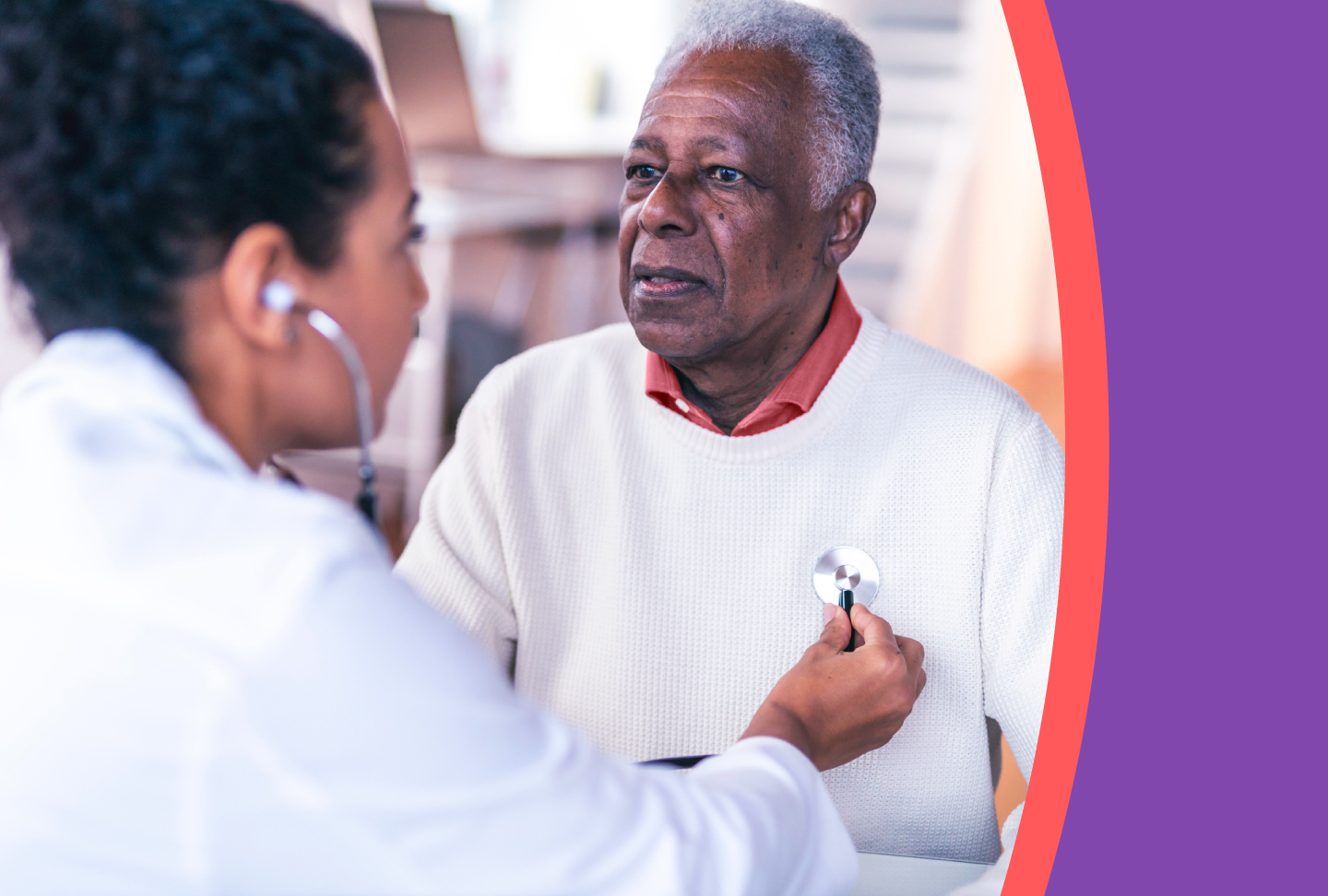
Cancer treatment can save lives—but for some people, it can also be hard on the heart.
Wellstar's Cardio-Oncology Program
provides specialized care to address this risk. The program offers cancer-focused heart care that helps protect cardiovascular health before, during and after treatment.
Our cardio-oncology experts support people with cancer who have heart disease, are at high risk for heart problems or are receiving therapies that may affect heart function. By monitoring heart health and coordinating care, we help people receive the most appropriate cancer treatment while reducing the risk of heart complications.
Expertise in heart disease and cancer care
Researchers have identified a connection between cancer care and cardiovascular health, leading to the creation of cardio-oncology. At Wellstar, this specialized care is available in metro Atlanta and Augusta, expanding access for people across Georgia.
“Cardio-oncology exists because more people are surviving cancer and living long enough to face heart-related complications,” said
Dr. Avirup Guha,
a board-certified cardio-oncologist at
Wellstar Georgia Cancer Center
and the first designated fellow of the International Cardio-Oncology Society in Georgia. “For some patients, cancer treatments can damage their heart. For others, they may have existing cardiovascular disease that needs careful management during cancer care. That requires expertise beyond cardiology—knowing how to modify therapy without causing harm.”
Cardio-oncologists are cardiologists with advanced training in how cancer therapies affect the heart. They help guide treatment decisions and work closely with oncology teams to ensure patients receive safe, effective care.
“A lot of oncology treatments are very effective for cancer, but the heart can become an innocent bystander,” said Wellstar Cardio-Oncologist
Dr. Nikolas Krishna,
who also specializes in advanced heart failure and transplant cardiology. “We advocate for these patients so their oncology and cardiology teams work together for the best possible outcome.”
Coordinated, team-based care
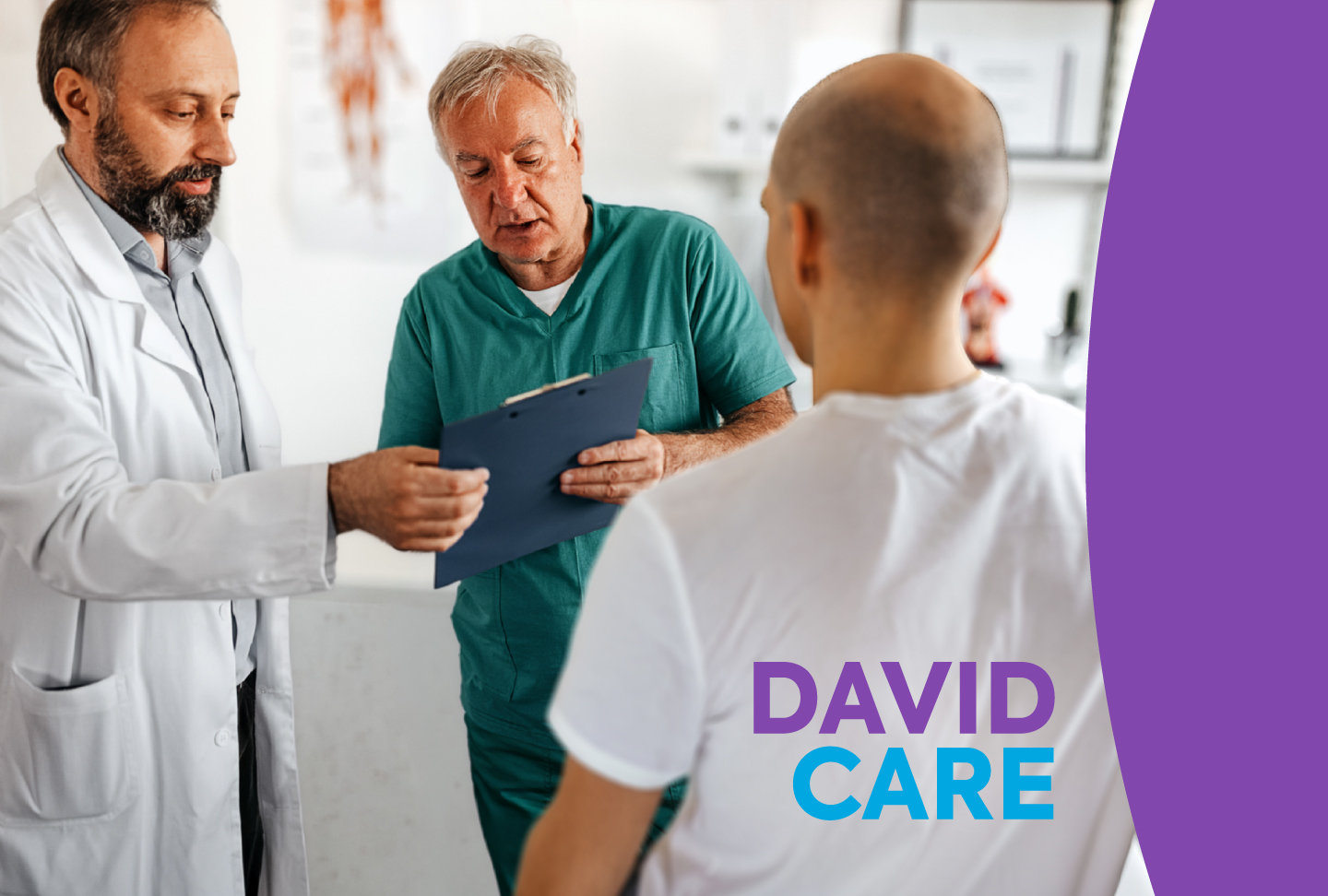
Multidisciplinary collaboration is central to Wellstar Cardio-Oncology. Cardiologists, oncologists, nurse navigators and other specialists communicate directly to align care and support both cancer outcomes and heart health.
“Our program helps address complications before they happen and streamlines care so people aren’t going back and forth between specialists,” Dr. Guha said.
Wellstar Cardio-Oncology teams partner with patients and families to understand risks and create a personalized plan. This may include imaging, blood tests and ongoing monitoring to detect early signs of heart conditions during chemotherapy, hormone therapy or radiation.
Additionally, Wellstar Cardio-Oncology nurse navigators—registered nurses with advanced training—provide compassionate guidance throughout the care journey.
“Nurse navigation plays a key role in educating patients and making sure they .understand their care plan,” said Dr. Guha. “It’s all about communication.”
Who can benefit from cardio-oncology care
Cardio-oncology care supports people from diagnosis through survivorship, especially when treatments or existing conditions may affect heart health.
You may benefit from cardio-oncology services if you have cancer or were treated for cancer within the past five years and you:
- Have heart failure or another existing heart condition
- Are at high risk for heart disease
- Have experienced cardiovascular complications after cancer treatment
- Require chemotherapy that may be cardiotoxic or radiation therapy to the chest
Some cancer treatments can weaken the heart muscle or alter heart function, making monitoring and early intervention essential. Therapies known to affect the heart include anthracyclines, platinum-based chemotherapy, HER2-targeted therapies, tyrosine kinase inhibitors (TKIs), immune checkpoint inhibitors (ICIs) and fluoropyrimidines.
“Too often we see patients years after treatment when heart problems have already developed,” Dr. Krishna said. “By screening earlier and seeing patients upstream, we can prevent disease rather than treat it after it occurs.”
Support that extends into survivorship
When cancer treatment ends, Wellstar Cardio-Oncology teams continue monitoring heart health and providing preventive care tailored to each person’s history.
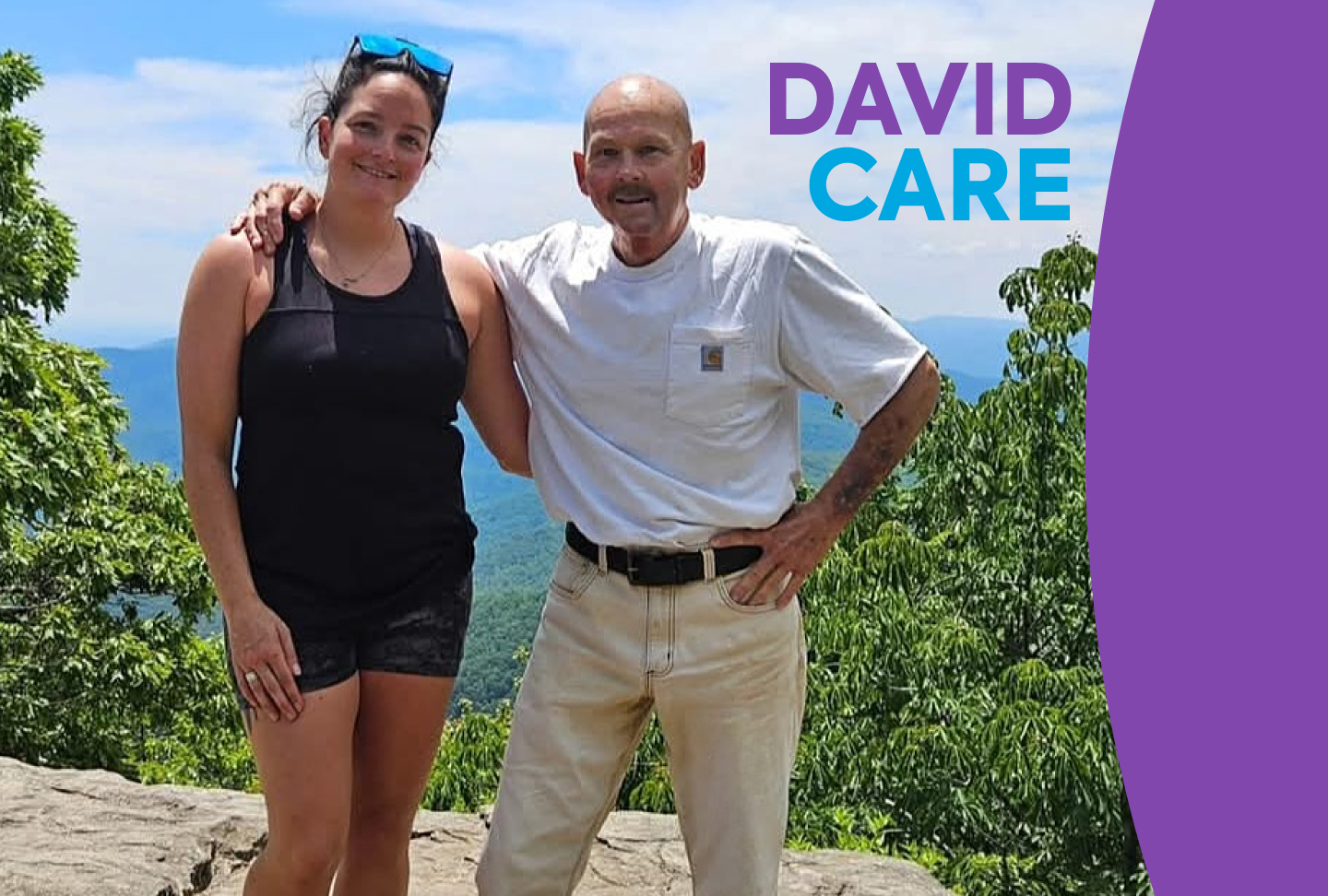
“Survivors may face accelerated cardiovascular risks years later,” said Dr. Krishna. “By continuing to screen and monitor, we can help catch any issues and protect their long-term health and quality of life.”
This ongoing care gives patients greater peace of mind as they navigate recovery.
“We want patients to know we are a layer of reassurance,” Dr. Krishna said. “They don’t have to worry about treatment hurting their heart—we are here to protect it so they can focus on healing.”
By combining advanced expertise, early monitoring and compassionate support, Wellstar’s Cardio-Oncology Program helps people face cancer with confidence.
Learn more about cardio-oncology services at Wellstar.