Skip Navigation
Book Now! Find care near you Find care near you Find care near you
wellstar-logo
Wellstar Go Back
Go to MyChart

Questions? We can help!

Call (770) 956-STAR (7827)

Monday - Friday, 7 AM - 4:30 PM

Contact Us
For Patients & Families For the Community For Providers About Us Careers
  • Start Your Care

  • Find a Doctor
  • Find a Location
  • Our Services
  • Virtual Visits
  • Planning

  • Accepted Insurance
  • Hospital Payment Planning
  • Financial Assistance
  • Pricing Information
  • Before Your Visit

  • Sign Up for MyChart
  • Visitation Guidelines
  • While You're Here

  • Support & Entertainment
  • Join an Event
  • After Your Visit

  • Pay Your Bill
  • Get Medical Records
  • Contact us
  • COVID-19 Support

  • COVID-19 Information
  • Vaccines
  • Testing Information
  • Foundation Relief
  • Community Care

  • In the Community
  • Health Highlights
  • Community Health Needs Assessment
  • Latest News
  • Center for Health Equity
  • Wellstar Find Help
  • Events & Programs

  • Events Calendar
  • On-Demand Classes
  • Support Groups
  • Give

  • Wellstar Foundation
  • Donate
  • Ways to Give
  • Thank a Caregiver
  • West Georgia
    Health Foundation
  • Volunteer

  • PeopleCare Advisory Council
  • For Adults
  • Care

  • Transfer a Patient
  • Cures Act
  • Refer a Patient
  • Lab Test Directory
  • Request to Conduct Research
  • Connect

  • Physician Relations
  • Request Imaging Services
  • Wellstar Clinical Partners
  • Wellstar Medical Group
  • Mayo Clinic Care Network
  • Medical Staff Services
  • Provider Recruitment
  • Log In

  • EpicCare Link
  • Lawson Connect
  • MyID Password Reset
  • Citrix Access
  • Leadership

  • Authority Board
  • Board Of Trustees
  • Foundation Board
  • Regional Health Boards
  • Executive Leadership
  • Awards, Recognition & Safety

  • Accreditation & Certifications
  • Awards & Recognition
  • Safety First Program
  • Nursing
  • Careers at Wellstar

  • Apply now
  • Upcoming virtual events
  • Why Wellstar?
  • Nursing Careers

  • Nursing (Direct Care)
  • Nursing Leadership
  • Nursing (Non-bedside)
  • Nursing Support
  • Physician, APP & Clinical Careers

  • Advanced Practice Providers (APPs)
  • Allied Health Professionals
  • Homecare & Hospice
  • Physicians
  • Support Team Careers

  • Administrative & Clerical
  • Coding, Compliance & HIM Systems
  • Facility, Environmental & Nutrition/Food Services
  • Information Technology & Systems
  • For Patients & Families
  • For the Community
  • For Providers
  • About Us
  • Careers
  • Search Search Search
  • MyChart MyChart MyChart

Start Your Care

Find a DoctorFind a LocationOur ServicesVirtual Visits

Planning

Accepted InsuranceHospital Payment PlanningFinancial AssistancePricing Information

Before Your Visit

Sign Up for MyChartVisitation Guidelines

While You're Here

Support & EntertainmentJoin an Event

After Your Visit

Pay Your BillGet Medical RecordsContact us

COVID-19 Support

COVID-19 InformationVaccinesTesting InformationFoundation Relief

Community Care

In the CommunityHealth HighlightsCommunity Health Needs AssessmentLatest NewsCenter for Health EquityWellstar Find Help

Events & Programs

Events CalendarOn-Demand ClassesSupport Groups

Give

Wellstar FoundationDonateWays to GiveThank a CaregiverWest Georgia
Health Foundation

Volunteer

PeopleCare Advisory CouncilFor Adults

Care

Transfer a PatientCures ActRefer a PatientLab Test DirectoryRequest to Conduct Research

Connect

Physician RelationsRequest Imaging ServicesWellstar Clinical PartnersWellstar Medical GroupMayo Clinic Care NetworkMedical Staff ServicesProvider Recruitment

Log In

EpicCare LinkLawson ConnectMyID Password ResetCitrix Access
About Wellstar

Our patients are the center of everything we do. We're nationally ranked and locally recognized for our high-quality care, inclusive culture, exceptional doctors and caregivers, and one of the largest and most integrated healthcare systems in Georgia.

About Us

Leadership

Authority BoardBoard Of TrusteesFoundation BoardRegional Health BoardsExecutive Leadership

Awards, Recognition & Safety

Accreditation & CertificationsAwards & RecognitionSafety First ProgramNursing

Careers at Wellstar

Apply nowUpcoming virtual eventsWhy Wellstar?

Nursing Careers

Nursing (Direct Care)Nursing LeadershipNursing (Non-bedside)Nursing Support

Physician, APP & Clinical Careers

Advanced Practice Providers (APPs)Allied Health ProfessionalsHomecare & HospicePhysicians

Support Team Careers

Administrative & ClericalCoding, Compliance & HIM SystemsFacility, Environmental & Nutrition/Food ServicesInformation Technology & Systems
Questions? We can help!

Call (770) 956-STAR (7827)

Monday - Friday, 7 AM - 4:30 PM

Contact Us
Close
  • Schedule With This Provider
  • Schedule At This Location
  • Schedule With This Provider
  • Schedule At This Location
  • Urgent Care
  • Primary Care
  • Virtual Care
  • Emergency Care
Close Close Close Book Now Menu
  • Schedule With This Provider
  • Schedule At This Location
  • Schedule With This Provider
  • Schedule At This Location
  • Urgent Care
  • Primary Care
  • Virtual Care
  • Emergency Care

Introducing

Wellstar Virtual Care

Access Wellstar healthcare providers
wherever you are.

Get started

Warning Warning Our "Book Now" feature should not be used for life threatening conditions such as heart attack, severe injury, poisoning, chest pain, or stroke. If you are experiencing such conditions, STOP and CALL 911 IMMEDIATELY or visit your nearest Emergency Department.

I Understand
Two men have a thoughtful discussion

Wellstar Behavioral Health

Complete wellness, from head to toe

Emotional and behavioral health plays an important role in our overall wellness. That’s why Wellstar Behavioral Health provides whole-person care that considers every part of your well-being.

  • Wellstar Behavioral Health
  • About
  • Specialized Care
  • Video Resources
  • Services
  • Locations
  • News

About


Creating access to the right care, for the right problem, at the right time, Wellstar’s Behavioral Health services are integrated throughout the health system. Whether care is sought through the Emergency Department, in an acute care setting due to a primary medical condition or through primary care, pediatric clinics, or specialty care services, our team of behavioral health experts are prepared to offer world-class treatment to meet your needs.

Specialized Care


  • Adult Mental Health
  • Health Psychology Behavioral Medicine
  • Primary Care-Behavioral Health Integration
  • Cardiovascular Behavioral Medicine
  • Clinical Neuropsychology
  • Suicide Prevention Program
  • Pediatric Mental Health

Adult Mental Health

Inpatient Behavioral Health Treatment
Wellstar offers inpatient psychiatric care for patients ages 18 and older who are experiencing acute symptoms of psychiatric illness and/or a substance use disorder. Conditions treated include, but are not limited to, schizophrenia, bipolar disorder, major depressive disorder, and posttraumatic stress disorder. Inpatient hospitalization involves 24-hour care under the treatment of an attending psychiatrist and other members of a multi-disciplinary team. Following stabilization of the psychiatric crisis, patients are connected with outpatient resources for follow up.

For more information regarding Wellstar’s inpatient behavioral health services, call our Behavioral Health Assessment & Resource Center (BH ARC) at 470-956-8710. If you are experiencing an acute psychiatric crisis, please call 988
 

Health Psychology/Behavioral Medicine

Wellstar’s Health Psychology/Behavioral Medicine program applies evidence-based theory and behavioral methods to prevent and treat various medical and psychological conditions. Our services include evaluation and treatment for individuals with acute and chronic medical conditions often associated with co-occurring psychiatric, adjustment-related, or health behavior problems. Diagnosis and treatment are approached through a biopsychosocial model, ensuring holistic care that accounts for the complexities of managing acute and chronic illness. Examples of programmatic offerings include the following:

  • Cardiovascular Behavioral Medicine
  • Metabolic Behavioral Medicine
  • Obesity Medicine
  • Psycho-gastroenterology
  • Psychosocial Oncology
  • Somatic Symptom
  • Medically-Unexplained (Functional) Disorders
Learn more about Health Psychology/Behavioral Medicine Services

Primary Care-Behavioral Health Integration

This is an integrated behavioral health program that offers full integration into primary care/family practices. Integration is supported via co-location of a licensed behavioral health provider into the clinic, as well as by modification of workflows and the provision of brief, evidence-based care to patients with low-to-moderate acuity psychiatric needs as well as patients with chronic conditions that are mediated by behavioral and psycho-social factors.
  • Pediatric Integration
  • Primary Care Integration

Cardiovascular Behavioral Medicine

Mental health and emotional well-being are important aspects when managing a chronic heart condition. Our cardiovascular behavioral medicine team empowers people with heart conditions to achieve their health goals, address behaviors related to cardiac risk reduction and recovery—and lower their chances for future visits to the hospital. 

Learn more about Cardiovascular Behavioral Health.

Clinical Neuropsychology

Neuropsychologists are brain-behavior experts. This means that neuropsychologists can be helpful in diagnosing neurocognitive conditions, understanding their impact, and providing treatment recommendations aimed at maximizing functioning, quality of life, and overall brain-health. Our neuropsychologists conduct adult and pediatric neuropsychological evaluations in outpatient setting, as well as provide both outpatient and inpatient rehabilitation services. 

Across services we treat the person not just the diagnosis and have an appreciation for the multitude of factors that can impact neurocognitive functioning and quality of life. We provide a comfortable environment and serve with the empathy and compassion we would have for a family member.  

Learn More

Suicide Prevention Program

Suicides can be prevented, and it is vital to have a system-wide commitment to reducing suicides. Safe suicide care starts the moment a patient walks through the door for the first time, long before a patient may interact with a behavioral health team member. It is essential that we train a competent, confident, and caring workforce to identify and support patients who may be at risk of suicide while they receive care from us.

Zero Suicide is several things: an aspirational goal designed to catalyze transformational change, a suicide care model with specific practices for health systems to employ, and a movement seeking to make health care settings safer and more compassionate for people with suicidal thoughts and urges. Zero Suicide is a way to improve suicide care within health care systems. The foundational belief of Zero Suicide is that suicide deaths for individuals under the care of health care systems are preventable. Zero Suicide represents a culture shift away from fragmented suicide care toward a holistic and comprehensive approach to patient safety and quality improvement. Asking directly about suicide and responding appropriately should and could be as routine as having blood pressure, height and weight checked at every health care visit.

The Zero Suicide Core Elements align with Wellstar’s values to guide our work to improve patient outcomes and save lives.

Click here to Learn More

Pediatric Mental Health

More than ever before, kids and teens needing behavioral and mental health care is a massive void in our healthcare system. Twenty-percent of pediatric patients have a behavioral or mental health condition.

We're committed to addressing the growing demand for services to manage these increasingly common concerns impacting children today.

For services or more information, please contact our locations:

Wellstar Pediatric Behavioral Health at East Cobb
3939 Roswell Road, Suite 300
Marietta, GA 30062
(943) 202-7540

Wellstar Pediatric Behavioral Health at East Paulding
51 Hiram Drive, Building B
Hiram, GA 30141
(470) 267-1740

Services


Conditions We Treat
  • Anxiety (mild-to-moderate)
  • Bipolar disorder
  • Depression (mild-to-moderate)
  • General stress
  • Generalized anxiety disorder
  • Major depressive disorder
  • Obsessive-compulsive disorder (OCD)
  • Post-traumatic stress (mild-to-moderate)
  • Post-traumatic stress disorder (PTSD)
  • Schizophrenia
  • Sleep problems
  • Substance abuse
  • Suicidal thoughts
  • Tobacco use

Admissions and Referrals

In the event of a mental health emergency, please go to the nearest emergency room.

We accept admissions to our inpatient program 24 hours a day. You can reach our Behavioral Health Assessment & Resource Center anytime. Referrals can be made by doctors, nurses, psychiatrists, psychologists, family members or friends.

(470) 732-3789

Behavioral Health Podcasts

Sleep

Suicide Prevention

Post-Traumatic Growth

Life After High School

Parallel Pandemics

Residency Training Programs

Learn more about our Wellstar Behavioral Health Residency Training Programs.

Learn more

A young woman smiles with her eyes closed while she listens to headphones with her hands crossed over her heart

5 Strategies for Better Mental Health

Check out these expert-backed strategies to help protect your mental health and strengthen your overall wellness.

Learn more
A healthcare professional listens carefully to her patient

Primary Care Opens Doors to Behavioral Health at Wellstar

Wellstar improves access to mental and emotional healthcare through licensed clinical social workers working alongside primary care providers and pediatricians.

Learn more
Person holding baby sitting and speaking with another person

Let’s Talk About
Mom’s Mental Health

Maternal mental health means how a mother feels in her mind and heart during pregnancy and after giving birth. It’s very important to know the signs of a mental health concern.

Learn more
A friendly image of Mental Health

Make Mental Health Your Habit

While you may make sure you eat healthy, exercise and see your doctor to keep up with your physical health, it’s important to check in on your mental health, too.

Learn more
A bicycle, water bottle, and healthy food items.

5 Habits to Become the Healthiest You

Small changes add up to big results. By incorporating simple habits into your life, you can kickstart your wellness journey and stay on track for the long run.

Learn more
-Well Starts with Spring Screenings

Well Starts with Spring Screenings

To feel your best this spring and beyond, we’re sharing our top tips to help keep you healthy.

Learn more
John and Janin standing on their front porch

John&JaninCare

If “adventure” were a gene, John Petrick surely passed it on to his daughter, Janin. But one thing they never expected to have in common was a rare heart condition.

Read their story
Man breathing deeply

COVID-19: Taking Care of Your Mental Health

In the wake of the coronavirus COVID-19 outbreak, many people may feel anxiety or stress. Handling strong emotions is a normal response, according to experts.

Learn more
Illustration of a woman practicing yoga under a rainbow.

Maintain Your Mental Health During the Holidays

If you find the holiday season overwhelming, you’re not alone.

Learn more

Video Resources


Locations


News


Related articles
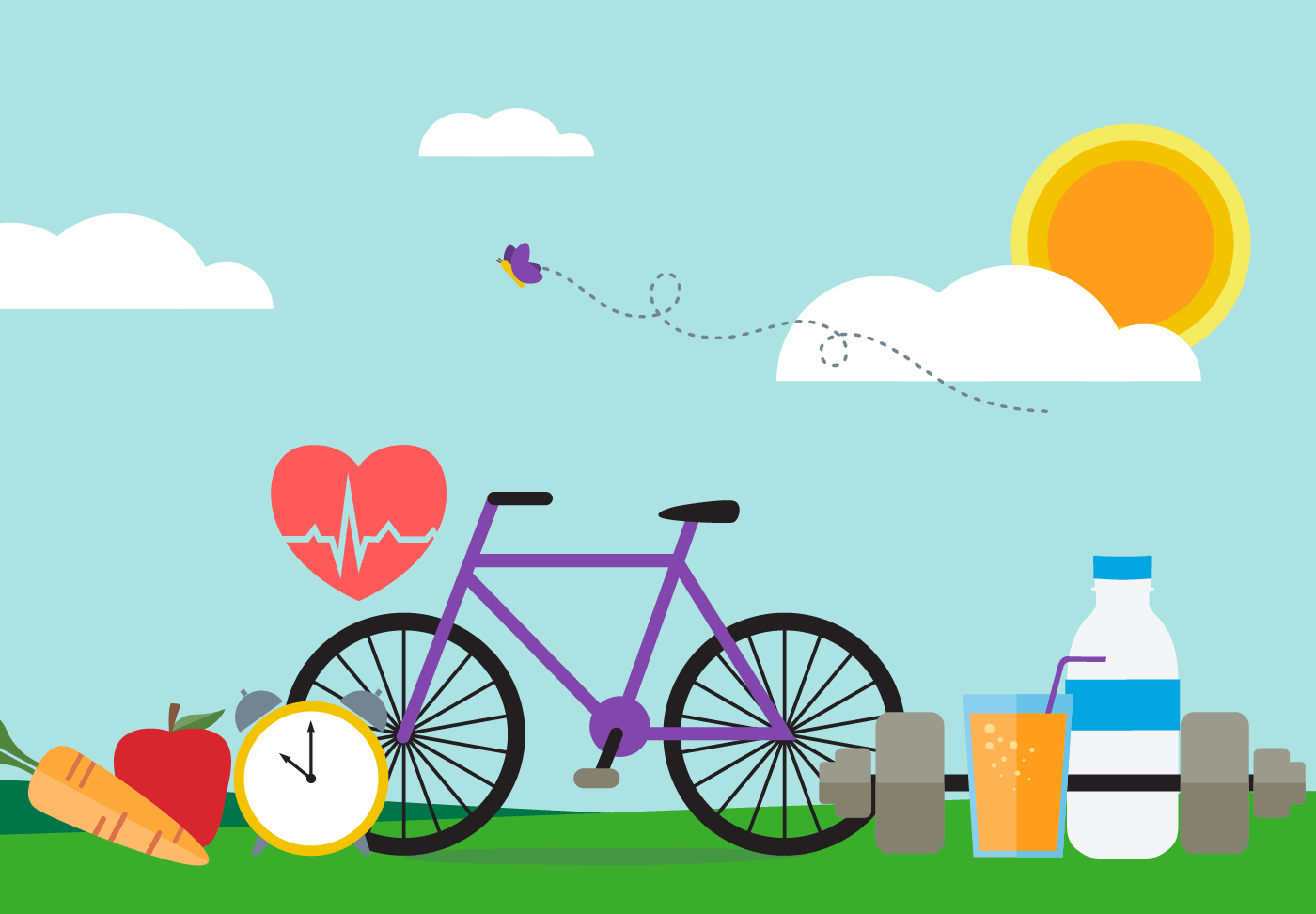
Illustration of a purple bike surrounded by healthy symbols, including an apple, carrot, clock and weight.

Highlights

5 Habits to Become the Healthiest You

Small changes add up to big results. By incorporating simple habits into your life, you can kickstart your wellness journey and stay on track for the long run.

Setting healthy, realistic goals

Use the SMART goal-setting system to help define your goal and develop attainable resolutions.

  • Specific—Be clear about exactly what you want to accomplish. Include as many details as necessary, such as potential obstacles or extra requirements.
  • Measurable—Measure your progress and determine how to meet the goal. If you have a big goal, you may need to set smaller milestones to stay on track.
  • Achievable—Attainability is an important factor to consider when it comes to goal setting. It’s not fair to yourself to set an impossible goal.
  • Relevant—Align your resolutions with your overall life goals and think about what you hope to accomplish by reaching that goal.
  • Time bound—Set a realistic, target deadline to reach your goal with checkpoints at intervals along the way. Markers provide an opportunity to measure progress and reassess any changes needed to stay on track.

Keep in mind, you may encounter some bumps in the road along the way. Recognizing all the small accomplishments can help you stay motivated and win in the long run, so focus on what you’ve achieved so far.

Build new habits into your regular routine by beginning small and adding on over time. With this “habit stacking” technique, you pair your new habit with something you’re already doing. For example, if your goal is to drink more water, drink a glass of water while making your morning coffee or tea.

Schedule a wellness exam

Seeing your primary care clinician at least once a year is the single most important thing you can do for your health.

At your annual exam, your care team will help keep you healthy and reach your wellness goals. They screen for diseases to stay ahead of medical issues and check in on your overall well-being.

Set a reminder on your phone or calendar to prompt you to book an appointment. You can also use an important date, such as your birthday, anniversary or a holiday, as a marker to remind you to schedule a visit.

Get moving to stay well

If you’re focused on improving your fitness routine, put a plan in place to be more active. 

“Begin to incorporate a little more exercise into your daily routine,” said Wellstar Primary Care Physician Dr. Jeremy Boyd. “The Centers for Disease Control and Prevention offers a suggestion of 150 minutes of aerobic activity a week. I like to break that down to a good 40 minutes four times a week.”

Set a sleep routine

Having a bedtime routine is essential to catch more Zs throughout the year. When you wake up feeling rested, you often feel more productive and energized throughout the day.

Get started by setting a specific time to go to sleep—and stick to it. Make sure you reserve at least seven to nine hours per night for sleep.

Limit your screen time before getting in bed. Bright screens from a phone, computer or TV can keep your brain awake and make it harder to fall asleep.

If you’re having trouble getting to sleep, have a decaffeinated cup of tea or take a warm bath to help you relax.

Eat a balanced diet

When it comes to losing weight, many people look for a quick fix, which can often create unhealthy ways of eating. Creating a healthy eating plan from the start can help avoid any fad diet pitfalls.

Nutrition plans that restrict or eliminate food groups and those with extreme calorie deficits are difficult to maintain and can often produce more weight gain or undesired results, according to Wellstar Registered Dietitian Kelly Prian.

Diet trends can also create a negative relationship with food, which can make it harder to achieve your goals. Prian shared that those with long-term success focus on maintaining a plan that enables steady weight loss over time.

A healthy nutrition plan is balanced and emphasizes whole foods, such as fruits and vegetables, lean proteins, low fat dairy, nuts and seeds, and whole grains.

Try not to overcomplicate healthy eating. You can start by filling half your plate with vegetables or having fun trying new recipes.

Also, be mindful of the connection between your emotions and what you’re eating.

“To lead a more healthy lifestyle, we need to learn to manage triggers that can work against us. Triggers are things in life that we tend to react to in a certain way—without even thinking about it,” said Wellstar Psychologist Dr. Amanda Perkins. “When we respond to a trigger in the same way over and over again, we build a habit. Feelings, thoughts, the sight or smell of food, and other people’s actions can all serve as triggers for unhealthy eating.”

Managing stress and knowing what triggers unhealthy habits can help you make healthy lifestyle changes.

“There are several ways we can change problematic triggers. First, avoid the trigger or keep it out of sight. This might include limiting unhealthy food options in the home,” Dr. Perkins said. “Next, we can change how we respond to the trigger. For example, find an alternative behavior to replace eating when bored. Finally, we can add new cues to help us make healthier choices. This could include placing our walking shoes within sight.”

Take care of your mental health

Self-care is an important aspect of your mental well-being and should be made a consistent part of each day.

If you feel overwhelmed by stress or anxiety, Wellstar behavioral health specialists are here for you.

“After identifying our sources of stress, we can directly address what is within our control. For stressors that we cannot control, we can cope using stress management techniques such as deep breathing, distraction, valued activities or engaging in social support,” Dr. Perkins said.

Need support? Connect with a Wellstar behavioral health specialist.

Keep reading
Group of people talking

Highlights

Soul Support 2025: A Year of Healing, Hope & Community Impact

Faith communities and Wellstar Health System came together across Georgia with a shared mission: to strengthen mental health, build meaningful connections and bring healing spaces directly into our communities.

The 2025 Soul Support Impact Reports highlight incredible stories of empowerment, compassion and growth—made possible through collaboration, training and care.

What we achieved together

Across churches and faith centers—big and small—Soul Support helped communities access emotional wellness tools, support groups and life-changing conversations.

United Church in Atlanta

  • 78 touchpoints of support
  • Biweekly support groups focused on emotional expression
  • Safe spaces where participants learned to process even the toughest emotions
  • 39 volunteer hours fueling community care

Impact Church in Atlanta

  • 1,000+ touchpoints
  • 40 mental health events
  • Weekly support groups and Healing the Wounds of Trauma sessions
  • 20 community members trained in mental health first aid
  • 60+ engagement hours

Greater Young Zion Baptist Church in Augusta

  • 291 community touchpoints
  • Mental health awareness events drawing 150+ participants
  • Webinars, grief workshops and suicide prevention training
  • 40+ wellness kits distributed
  • 50+ event hours given back

The Gathering, International in Griffin

  • 756 touchpoints
  • Mental health support groups and pastoral counseling
  • 80% of participants reported helpful, life applicable insights
  • Powerful testimonies emphasizing belonging and finding strength in community

Seekers of His Face International Prayer Center in Augusta

  • 685 touchpoints
  • 224 mental health care kits distributed
  • Weekly support groups and wellness workshops
  • Youth and men’s mental health initiatives supporting 75+ individuals
  • 60 volunteer hours encouraging healing and growth

Why this work matters

Across every partner site, a message echoed loud and clear: Community heals. Connection transforms. Support saves lives.

Together, churches, clinicians, volunteers and community leaders created supportive environments where people felt seen, safe and understood. These spaces helped reduce stigma, elevate mental health literacy and offer practical tools for emotional wellness.

Thanking our partners

Pastors, administrators, coordinators and volunteers—from Atlanta to Griffin to Augusta—poured in time, compassion and leadership to make Soul Support a lifeline for many. Your dedication is transforming communities one conversation at a time.

Looking forward

As we continue this journey, we celebrate every person who showed up, spoke up or lifted someone up. The impact of Soul Support is more than numbers—it’s the lives changed through hope, faith and connection.Together, we are building mentally healthier, spiritually grounded and beautifully resilient communities.

Learn more about Wellstar’s community health programs.

Keep reading
A healthcare professional listens carefully to her patient

Highlights

Primary Care Opens Doors to Behavioral Health at Wellstar

What started as a research study has grown into a systemwide commitment at Wellstar to improve access to mental and emotional healthcare. By embedding licensed mental health practitioners in the primary care settings, Wellstar is making it easier for patients to receive behavioral health services alongside their routine medical care. 

Today, licensed clinical social workers (LCSW) work alongside primary care providers and pediatricians in more than a dozen Wellstar practices. And there are plans to grow that number.

“With social workers just steps away from an exam room, primary care physicians can make ‘warm handoffs’ for immediate behavioral health support,” said Dr. Jeffrey Tharp, chief medicine division officer for Wellstar.

“It helps lower barriers to mental health and substance use disorder treatment. And it removes some of the stigma some people associate with mental healthcare.”

Dr. Sophie Arkin, a psychologist in Wellstar’s Suicide Prevention department, said, “This is a great way to reach people who might otherwise fall through the cracks. It gives them a real opportunity to live a different life.”

Primary care clinicians connect adults to behavioral health specialists

Nearly 10 years ago, Wellstar was one of several health systems nationally that participated in a study of the effects of placing behavioral health clinicians in primary care.

The need is significant. Mental illness and substance use disorders are prevalent throughout the U.S. According to the 2024 State of Mental Health in America report, 22.5% of adults in Georgia had a mental illness in the past year. The report also said that 17% had a substance use disorder.

Primary care physicians at Wellstar routinely screen patients for depression, suicidal thoughts and alcohol or drug use. In other cases, they learn from conversations that patients may have:

  • Anxiety or panic disorders
  • Sleep disturbances
  • Stress related to work, family life or finances
  • Grief or unresolved trauma

Introducing the behavioral health clinician

When behavioral concerns emerge, the primary care team introduces the on-site clinical social worker. This specialist conducts an in-depth assessment to determine the next best steps for the patient. This is typically a short-term series of sessions that may lead to referrals to psychiatrists, psychologists or Wellstar’s suicide prevention team.

“One of the biggest strengths of this model is credibility,” Dr. Tharp said. “If a physician or nurse practitioner you trust says, ‘We have a counselor here I’d like you to meet,’ the patient is more likely to follow through.”

This model has proven especially effective for patients who are less likely to seek mental health support, such as men, seniors and caregivers.

Where primary and behavioral health cross paths

People with chronic conditions like diabetes, digestive disorders and kidney disease sometimes have or develop mental health conditions like depression and anxiety. As a result, patients may find it harder to:

  • Get the follow-up testing and care they need
  • Follow nutrition and exercise instructions
  • Take medications according to their doctor’s instructions

Not treating behavioral health issues can contribute to patients’ worsening physical health and higher medical costs.

Conversely, many patients may go to their primary care physician because they’re having trouble breathing, their heart is pounding or they have frequent headaches. Or they’re sweating or feel faint, dizzy or nauseated.

Those can be signs of a medical problem. They can also be symptoms of an emotional or mental health issue. In that case, a behavioral health clinician is around the office corner.

“We know that stress and anxiety show up in lots of different ways in the body. Understanding that allows people to adopt a new philosophy about how to take care of themselves,” Dr. Arkin said.

Pediatricians screen and refer children for behavioral health

Childhood and adolescence are critical periods in development. Mental health issues can affect a child’s ability to learn, grow and develop healthy relationships both now and as an adult.

Pediatricians routinely screen children for behavioral health concerns. They ask questions about social, emotional and behavioral development. Screenings for autism risk begin in early childhood and depression screenings begin at age 12.

At Wellstar KenMar Pediatrics in Marietta and Kennesaw, pediatricians turn to their in-house behavioral health partner, Dr. Kayla Fitch. Common reasons to refer include:

  • Behavior challenges
  • Feeding disorders, such as extreme picky eating
  • Mental health issues among children with chronic or acute illnesses
  • Requests for attention deficit hyperactivity disorder (ADHD) evaluations
  • Severe social or separation anxiety

While under her care, Dr. Fitch screens patients for anxiety and suicide risk.

“One of the things I’m the most passionate about is early anxiety treatment for kids. We can help kids when they’re 4, 5, 6 years old,” Dr. Fitch said. “I teach parents basic concepts around how to expose their children to anxiety-producing situations to decrease their anxiety.”

She helps children learn “coping strategies, like deep breathing and muscle relaxation. These are things kids can benefit from if we teach them creatively.”

Growing commitment to integrated care

Wellstar’s primary care model continues to evolve to meet the behavioral health needs of patients throughout their life. Time will bring even more collaboration and improved outcomes.

“It serves everyone—patients, families and doctors—to create these seamless connections between primary and behavioral health practitioners,” Dr. Tharp said. “We see the benefits every single day in our patients’ health and their outlooks.”

Learn more about behavioral health at Wellstar.

Keep reading
Back to Top
Branding illustration
Wellstar Logo
More than healthcare. PeopleCare.
Branding illustration
For Job Seekers & Team
Careers Diversity Equity Inclusion and Belonging Onboarding
For Students
Students Portal
Graduate Medical Education
Medical Residency Pharmacy Residency
For Business
Corporate Purchasing
For the Media
Media Room Community Health Needs Assessment
Help
Contact Us Pay Your Bill Policy & Privacy Information Hospital Transparency Information Price Transparency
For Job Seekers & Team
Careers Diversity Equity Inclusion and Belonging Onboarding
For Students
Students Portal

Graduate Medical Education
Medical Residency Pharmacy Residency
For Business
Corporate Purchasing
For the Media
Media Room Community Health Needs Assessment
Help
Contact Us Pay Your Bill Policy & Privacy Information Hospital Transparency Information Price Transparency

Copyright © 2026 Wellstar Health System. All Rights Reserved.

Wellstar does not discriminate on, exclude people or treat them differently on the basis of race, color, national origin, age, disability, sex, gender identity or expression or any other type of discrimination prohibited by law.

Cookie Preferences

We use cookies for booking and general analytics. Learn more about or internet privacy policy.