
Skip Navigation
Book Now! Find care near you Find care near you Find care near you
wellstar-logo
Wellstar Go Back
Go to MyChart

Questions? We can help!

Call (770) 956-STAR (7827)

Monday - Friday, 7 AM - 4:30 PM

Contact Us
For Patients & Families For the Community For Providers About Us Careers
  • Start Your Care

  • Find a Doctor
  • Find a Location
  • Our Services
  • Virtual Visits
  • Planning

  • Accepted Insurance
  • Hospital Payment Planning
  • Financial Assistance
  • Pricing Information
  • Before Your Visit

  • Sign Up for MyChart
  • Visitation Guidelines
  • While You're Here

  • Support & Entertainment
  • Join an Event
  • After Your Visit

  • Pay Your Bill
  • Get Medical Records
  • Contact us
  • COVID-19 Support

  • COVID-19 Information
  • Vaccines
  • Testing Information
  • Foundation Relief
  • Community Care

  • In the Community
  • Health Highlights
  • Community Health Needs Assessment
  • Latest News
  • Center for Health Equity
  • Wellstar Find Help
  • Events & Programs

  • Events Calendar
  • On-Demand Classes
  • Support Groups
  • Give

  • Wellstar Foundation
  • Donate
  • Ways to Give
  • Thank a Caregiver
  • West Georgia
    Health Foundation
  • Volunteer

  • PeopleCare Advisory Council
  • For Adults
  • Care

  • Transfer a Patient
  • Cures Act
  • Refer a Patient
  • Lab Test Directory
  • Request to Conduct Research
  • Connect

  • Physician Relations
  • Request Imaging Services
  • Wellstar Clinical Partners
  • Wellstar Medical Group
  • Mayo Clinic Care Network
  • Medical Staff Services
  • Provider Recruitment
  • Log In

  • EpicCare Link
  • Lawson Connect
  • MyID Password Reset
  • Citrix Access
  • Leadership

  • Authority Board
  • Board Of Trustees
  • Foundation Board
  • Regional Health Boards
  • Executive Leadership
  • Awards, Recognition & Safety

  • Accreditation & Certifications
  • Awards & Recognition
  • Safety First Program
  • Nursing
  • Careers at Wellstar

  • Apply now
  • Upcoming virtual events
  • Why Wellstar?
  • Nursing Careers

  • Nursing (Direct Care)
  • Nursing Leadership
  • Nursing (Non-bedside)
  • Nursing Support
  • Physician, APP & Clinical Careers

  • Advanced Practice Providers (APPs)
  • Allied Health Professionals
  • Homecare & Hospice
  • Physicians
  • Support Team Careers

  • Administrative & Clerical
  • Coding, Compliance & HIM Systems
  • Facility, Environmental & Nutrition/Food Services
  • Information Technology & Systems
  • For Patients & Families
  • For the Community
  • For Providers
  • About Us
  • Careers
  • Search Search Search
  • MyChart MyChart MyChart

Start Your Care

Find a DoctorFind a LocationOur ServicesVirtual Visits

Planning

Accepted InsuranceHospital Payment PlanningFinancial AssistancePricing Information

Before Your Visit

Sign Up for MyChartVisitation Guidelines

While You're Here

Support & EntertainmentJoin an Event

After Your Visit

Pay Your BillGet Medical RecordsContact us

COVID-19 Support

COVID-19 InformationVaccinesTesting InformationFoundation Relief

Community Care

In the CommunityHealth HighlightsCommunity Health Needs AssessmentLatest NewsCenter for Health EquityWellstar Find Help

Events & Programs

Events CalendarOn-Demand ClassesSupport Groups

Give

Wellstar FoundationDonateWays to GiveThank a CaregiverWest Georgia
Health Foundation

Volunteer

PeopleCare Advisory CouncilFor Adults

Care

Transfer a PatientCures ActRefer a PatientLab Test DirectoryRequest to Conduct Research

Connect

Physician RelationsRequest Imaging ServicesWellstar Clinical PartnersWellstar Medical GroupMayo Clinic Care NetworkMedical Staff ServicesProvider Recruitment

Log In

EpicCare LinkLawson ConnectMyID Password ResetCitrix Access
About Wellstar

Our patients are the center of everything we do. We're nationally ranked and locally recognized for our high-quality care, inclusive culture, exceptional doctors and caregivers, and one of the largest and most integrated healthcare systems in Georgia.

About Us

Leadership

Authority BoardBoard Of TrusteesFoundation BoardRegional Health BoardsExecutive Leadership

Awards, Recognition & Safety

Accreditation & CertificationsAwards & RecognitionSafety First ProgramNursing

Careers at Wellstar

Apply nowUpcoming virtual eventsWhy Wellstar?

Nursing Careers

Nursing (Direct Care)Nursing LeadershipNursing (Non-bedside)Nursing Support

Physician, APP & Clinical Careers

Advanced Practice Providers (APPs)Allied Health ProfessionalsHomecare & HospicePhysicians

Support Team Careers

Administrative & ClericalCoding, Compliance & HIM SystemsFacility, Environmental & Nutrition/Food ServicesInformation Technology & Systems
Questions? We can help!

Call (770) 956-STAR (7827)

Monday - Friday, 7 AM - 4:30 PM

Contact Us
Close
  • Schedule With This Provider
  • Schedule At This Location
  • Schedule With This Provider
  • Schedule At This Location
  • Urgent Care
  • Primary Care
  • Virtual Care
  • Emergency Care
Close Close Close Book Now Menu
  • Schedule With This Provider
  • Schedule At This Location
  • Schedule With This Provider
  • Schedule At This Location
  • Urgent Care
  • Primary Care
  • Virtual Care
  • Emergency Care

Introducing

Wellstar Virtual Care

Access Wellstar healthcare providers
wherever you are.

Get started

Warning Warning Our "Book Now" feature should not be used for life threatening conditions such as heart attack, severe injury, poisoning, chest pain, or stroke. If you are experiencing such conditions, STOP and CALL 911 IMMEDIATELY or visit your nearest Emergency Department.

I Understand
  • Home
  • Articles
  • How Bariatric Surgery Can Improve Type 2 Diabetes—Even Before Significant Weight Loss
Article Category: Highlights

How Bariatric Surgery Can Improve Type 2 Diabetes—Even Before Significant Weight Loss

Published on June 26, 2026

Last updated 08:44 AM June 26, 2026

Woman chopping vegetables

The Weekly Check-up Atlanta


People who seek medical help for weight management are used to hearing that results take time. Imagine the surprise of some patients with type 2 diabetes when their blood sugar improves meaningfully within days or weeks of bariatric surgery.

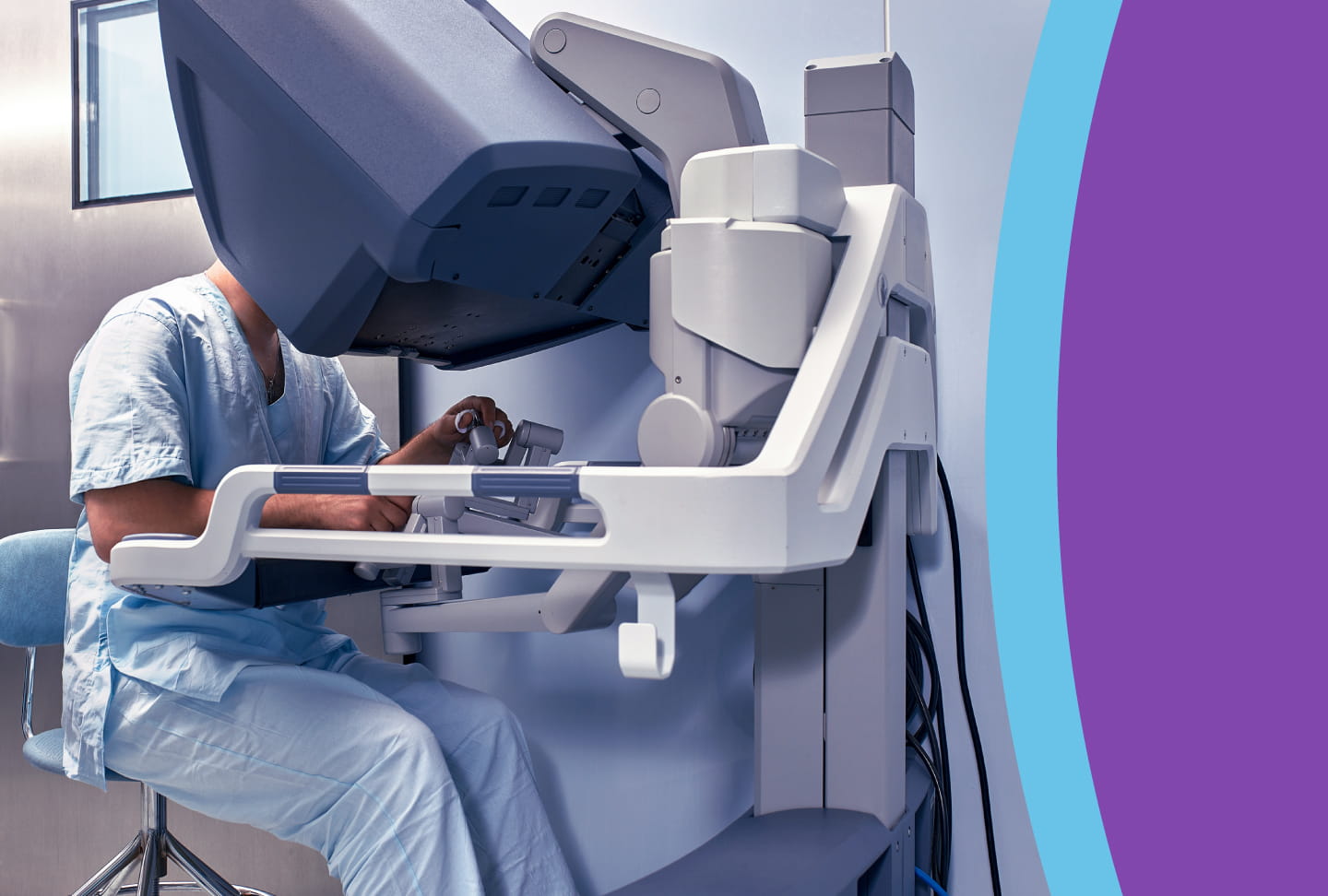
It happens—and it’s a dramatic sign of the benefits bariatric surgery holds for many patients, said Dr. Fritz Jean-Pierre, a board-certified bariatric surgeon and national leader in minimally invasive and robotic techniques for the treatment of obesity and metabolic disorders.

When changes in blood sugar following bariatric and metabolic surgery were first observed in the 1990s, the reason was a mystery. But today, medical experts know more about the hormones that regulate hunger and insulin production. They also know more about how bariatric surgery affects the same hormones.

Understanding type 2 diabetes: It starts with insulin resistance

Insulin is a hormone that regulates blood sugar. Insulin resistance happens when muscle, fat and liver cells fail to respond to insulin, causing the pancreas to overproduce the hormone. Eventually, blood sugar rises. Patients may develop prediabetes or type 2 diabetes.

Another hormone that affects weight is GLP-1. It’s naturally produced in the gut after eating. GLP-1 helps regulate blood sugar by:

  • Stimulating insulin
  • Suppressing glucagon, a hormone the pancreas produces that raises blood glucose levels
  • Slowing digestion

Many recognize GLP-1 today because of the class of weight-management drugs such as Ozempic, Zepbound and Wegovy. These medications mimic and amplify the effects of the GLP-1 hormone.

How bariatric surgery affects hunger hormones and improves health

Several types of bariatric surgery are performed at Wellstar. While each procedure alters the digestive system differently, all appear to influence the hormones that regulate hunger and blood sugar.

Hormones, such as GLP-1, that promote fullness and insulin sensitivity increase after surgery. The liver produces less excess glucose, and the body becomes more sensitive to insulin. Other hormones—like ghrelin, which signals the brain that the stomach is empty—decrease after surgery.

“We've known since the early 2000s that after bariatric surgery, you have a boost in GLP-1 hormone production,” said Dr. Jean-Pierre. “Patients notice improvements in their blood sugars and that feeling of fullness.”

As a result of hormonal changes triggered by surgery, patients who are not yet on insulin replacement therapy may enter diabetes remission relatively soon, according to Dr. Jean-Pierre.

“The patient may have lost only 5 or 10 pounds yet their blood sugars have become normalized,” he said. “Their diabetes is completely controlled without medication after surgery. That’s the best-case scenario.”

For other patients, improved blood sugar may take longer. Still, clinical trials show that bariatric surgery leads to diabetes remission in 33% to 90% of individuals at one year after bariatric and metabolic surgery.1

“These surgeries are not just changing or shrinking the patient’s stomach,” Dr. Jean-Pierre said. “We're changing their metabolisms in a way that will help improve a lot of related health conditions like high blood pressure, abnormal cholesterol and fatty liver disease.”

Long-term health benefits of bariatric surgery

There are many health risks of type 2 diabetes and obesity. Those include high blood pressure, high cholesterol, sleep apnea and joint pain. Unmanaged diabetes can lead to damage to nerves, kidneys, eyes and heart. Stroke risk is also higher in people with diabetes.

Physicians have more treatment options for obesity than ever, including surgery, medications and lifestyle changes. Wellstar Center of Best Health is a comprehensive weight management clinic with clinicians, dietitians, psychologists and exercise physiologists who work collaboratively with surgeons.

Together, they learn about each patient’s situation and develop a personalized treatment plan with the best chance of success. Some patients may benefit from both surgery and medication.

“Obesity is a chronic, relapsing, multi-variable disease process that we have to approach from different angles in order to best treat it,” said Dr. Jean-Pierre. “You must approach it comprehensively, including nutrition and exercise. Medication itself is not a magic bullet. Surgery is not a magic bullet.”

Wellstar’s weight loss teams support patients throughout their healthcare journey. The goal is to see patients reach their goals and return for follow-up care in even better health.

“It’s amazing when all of these treatment options fire in the right direction and we see the health improvements that come along with surgery,” such as:

  • Better diabetes control
  • Lower blood pressure
  • Less joint inflammation and pain
  • End of the need to use a CPAP for sleep apnea

“Most surgeons fix something, then you don't see your patient again. With bariatric surgery, it's a very different relationship,” Dr. Jean-Pierre said. “We see our patients for a long period of time afterward. We get to share in their successes and see their accomplishments as they lose that weight.”

Learn more about obesity medicine at Wellstar and make an appointment to see an obesity specialist at one of our locations.

1 Affinati, Alison H et al. “Bariatric Surgery in the Treatment of Type 2 Diabetes.” Current diabetes reports vol. 19,12 156. 4 Dec. 2019, doi:10.1007/s11892-019-1269-4
Tags

Fritz Jean-Pierre Jr Womens Health Mens Health
Related Articles
Healthcare provider consults with a smiling patient

Highlights

What to Expect Before You’re Expecting: A Guide to Preconception Appointments

Women are intentional about planning their lives, including their pregnancies, and OB/GYNs encourage their patients to make preconception appointments from three months to a year before becoming pregnant.

Preconception appointments provide time to

  • Review medical and behavioral health history, including family history
  • Identify and treat any health concerns like high blood pressure
  • Make sure vaccinations and preventive care are up to date
  • Discuss lifestyle changes to support a healthy pregnancy
  • Learn about the care you can expect while pregnant

“These visits establish a health baseline before pregnancy happens,” said Wellstar OB/GYN Dr. Joy Baker. “We can optimize women’s health by addressing potential health issues and making lifestyle changes to benefit them and their babies.”

If pregnancy is in your future, this guide will help you know what to expect from a preconception appointment and how to prepare.

Why schedule a preconception visit

Preconception appointments are important for future mothers of all ages. They’re especially useful if you’re over 30 or have a chronic health condition, such as high blood pressure, diabetes or obesity.

More than half of all live births in the United States from 2022 to 2024 were to women 30 and over, according to March of Dimes. Fertility—or the ability to become pregnant—declines in the 30s and 40s. Statistics also show risks increase for mothers 35 and older for complications in pregnancy. Those risks include gestational diabetes, preeclampsia and cesarean births (C-sections).

“With modern medicine, we can treat patients who are having fertility issues and safely support older pregnancies,” Dr. Baker said. “Knowing the risks and addressing them before pregnancy prepares us to guide and care for our patients and their families.”

In some cases, preconception tests can detect potential heart or thyroid conditions, or a risk of developing diabetes during pregnancy or later.

Hormonal changes during pregnancy can also affect mental health. At the preconception appointment, a clinician will ask you about any history of depression or anxiety, support networks, and stress at work or at home.

Another benefit of the appointment is the opportunity to meet the physician who may be caring for you during an exciting period of your life.

“I love that patients can interview me at preconception appointments,” said Dr. Baker. “They can get to know me. At the same time, I’m able to check blood test results and do any health optimization needed before becoming pregnant.”

What happens during and after a preconception appointment

The appointment will include questions about you and your partner’s medical histories, including family history and ethnicity. Many genetic conditions, like sickle cell disease and Tay-Sachs disease, are more common in people from certain ethnic groups.

Your OB/GYN may schedule tests to check your iron levels, blood sugar, blood pressure and heart health. They’ll want your vaccine record and may ask you to complete any missed vaccines or preventive screenings.

Bring a list of prescription or over-the-counter medicines you take, including any vitamins or nutritional supplements. Your physician will recommend taking folic acid as a supplement or as part of a multivitamin, even before becoming pregnant. Folic acid is a B vitamin that can help protect against congenital brain and spinal cord conditions.

What lifestyle changes can prepare you for a healthy pregnancy?

According to Dr. Baker, weight and lifestyle are other topics at the preconception appointment. Overweight or obese patients are at a higher risk of developing complications in pregnancy. Your OB/GYN will advise you on good nutrition and how much weight is healthy to gain during pregnancy based on your height and weight.

If you use tobacco or alcohol, your care team will talk to you about the risks and how to make changes that will help you and your baby. Regular exercise is important as patients prepare for and experience pregnancy and labor.

Questions to bring to a preconception appointment

Your preconception appointment will give you time to get to know your OB/GYN and ask any questions you have.

Some suggested questions include

  • What happens if I don’t become pregnant?
  • Do I have any health conditions that may affect my ability to become pregnant or have a healthy baby?
  • When should I schedule an appointment after I become pregnant?
  • What tests can I expect to have during pregnancy, and what do they check for?
  • How often will I see you during pregnancy?
  • Will I see other clinicians in the practice when I’m pregnant?
  • How should I contact your office with questions or if I’m worried about something?
  • Under what circumstances should I go directly to the Emergency Department?
  • What happens as my delivery time nears?

Learn more about maternal and fetal medicine at Wellstar

If you’re thinking about starting or growing your family, schedule a preconception visit with a Wellstar OB/GYN to talk through your health, goals and next steps.

Wellstar has advanced care for patients before, during and after pregnancy. Learn more about our specialties in

  • Cardio Obstetrics
  • Maternal Fetal Medicine (high-risk pregnancies)
  • Obstetric Emergency Department
  • Reproductive Endocrinology and Fertility
Keep reading
Healthcare provider checks the blood pressure of pregnant patient

Highlights

What Preeclampsia Means for Long-Term Heart Health

Preeclampsia is a rare but serious complication of pregnancy. It’s also a warning sign for women to be vigilant about heart health throughout their lives.

Many assume the health risk posed by preeclampsia goes away after delivery, but having preeclampsia requires close follow-up care even beyond the postpartum period.

“If you have ever had preeclampsia, it becomes another risk factor for the development of vascular disease, even 20 to 30 years down the road,” said Dr. Mindy Gentry, a Wellstar cardiologist who specializes in heart disease during pregnancy.

The good news is that when you know, you can act.

What is preeclampsia and who is at risk?

Preeclampsia affects more than the heart. It can affect the placenta, blood vessels, kidneys and liver. It can also cause serious complications in the brain, lungs, blood system and eyes.

Women 35 and older who are pregnant have an increased risk of developing preeclampsia. So do women who are overweight or obese, and those who have diabetes or high blood pressure.

The chief warning signs for preeclampsia are sudden elevated blood pressure, significant leg swelling and shortness of breath.

Preeclampsia symptoms include

  • Abdominal pain
  • Blurred vision, or flashing spots or auras
  • Burning sensation in the chest
  • Sudden elevated blood pressure
  • Confusion
  • Headaches
  • Leg swelling
  • Heightened anxiety
  • Nausea and vomiting
  • Shortness of breath
  • Oversensitivity to light

Short- and long-term health risks of preeclampsia

Pregnancy puts a strain on the cardiovascular system, which includes the heart, blood vessels and blood. Preeclampsia signals stress in that system or an underlying susceptibility. If you’ve had preeclampsia, you have a higher risk of complications after birth.

"We tend to get this false sense of security once the pregnancy is over and the woman has delivered, that they're in the clear. But providers must continue to watch women for even up to one year after birth," Dr. Gentry said.

Women who have had preeclampsia have three to four times the risk of high blood pressure and two times the risk for heart disease and stroke later in life, according to the Preeclampsia Foundation. They also have an increased risk of developing diabetes.

How to prevent preeclampsia

Preventing preeclampsia and other pregnancy complications starts before becoming pregnant.

“We encourage everyone who is planning a pregnancy to schedule an appointment with their OB/GYN for pre-pregnancy counseling. That’s particularly important if you have any kind of cardiac history or risk factors of significant cardiac issues,” Dr. Gentry said.

Preeclampsia most often happens 20 weeks or later into pregnancy. If a patient’s blood pressure suddenly shoots up, providers may recommend delivering early.

“Our goal is to follow patients and prevent them from getting to that point by controlling blood pressure during pregnancy,” Dr. Gentry said. “Hopefully, we can also prevent complications down the road.”

Follow-up care when you’ve had preeclampsia

Follow-up checklist from Dr. Gentry if you’ve had preeclampsia

  • In the first six to 12 weeks after birth: Visit your OB/GYN for follow-up visits. Make an appointment with your primary care provider. Continue to monitor your blood pressure. Be on the lookout for any warning signs—the same ones you learned about during pregnancy.
  • Within the first year after birth: See your primary care team and get a cardiovascular baseline reading that includes blood pressure, cholesterol, blood glucose, height and weight.
  • Look into cardiac care: It may be appropriate to add a cardiologist to your healthcare team. Your provider may recommend seeing a cardiologist if you continue to have high blood pressure or have risk factors such as a family history of heart disease, obesity or diabetes.

If you’ve had preeclampsia, it’s important to commit to a healthy lifestyle with

  • Exercise
  • Good nutrition
  • Limited or no alcohol use
  • No tobacco use
  • Regular preventive care visits
  • Weight management

Wellstar resources for expectant mothers

Wellstar has specialists in obstetrics and cardiology to care for patients before, during and after pregnancy:

  • If you’re pregnant or thinking about having a child, find a Wellstar OB/GYN near you.
  • Read heart health facts every mom should know.
  • Wellstar has a Cardio Obstetrics Program with specialists in maternal and postpartum care.
Keep reading
Woman speaking to clinician

Highlights

Find Specialized Pelvic Health Care at Wellstar

Pelvic health conditions such as bladder leakage, pelvic pressure and recurrent urinary tract infections affect many women, particularly after childbirth or during midlife. According to the American College of Obstetricians and Gynecologists, nearly one in three women will experience a pelvic floor disorder in her lifetime. Despite how common these conditions are, many women delay seeking care—often living with symptoms that can significantly impact daily activities, sleep and overall wellbeing.

Urogynecology is a specialized field focused on diagnosing and treating pelvic floor conditions. Care begins with a comprehensive evaluation, followed by a personalized treatment plan based on each patient’s symptoms and goals. Many women benefit from conservative therapies such as pelvic floor physical therapy, lifestyle changes and medication. When needed, minimally invasive procedures are available to help reduce recovery time and support a quicker return to normal activities.

“Many women assume these symptoms are something they have to live with, but that is not the case,” said Wellstar Urogynecologist Dr. Sarah Huber. “By expanding access to urogynecology services, we are helping women get the care they need sooner, in a setting that is convenient and connected to their overall health.”

Wellstar brings together OB/GYN clinicians, urogynecology specialists, primary care physicians and specialized pelvic floor physical therapists to deliver coordinated care. This team-based model helps ensure a more seamless experience for patients, from initial evaluation through treatment and follow-up.With access to both routine and specialized care in one system, women can more easily address sensitive health concerns and take steps to improve their quality of life.

With locations in Augusta, Acworth, Hiram, Marietta, East Cobb and Smyrna, specialized pelvic health care is right in your community.

Keep reading
Back to Top
Branding illustration
Wellstar Logo
More than healthcare. PeopleCare.
Branding illustration
For Job Seekers & Team
Careers Diversity Equity Inclusion and Belonging Onboarding
For Students
Students Portal
Graduate Medical Education
Medical Residency Pharmacy Residency
For Business
Corporate Purchasing
For the Media
Media Room Community Health Needs Assessment
Help
Contact Us Pay Your Bill Policy & Privacy Information Hospital Transparency Information Price Transparency
For Job Seekers & Team
Careers Diversity Equity Inclusion and Belonging Onboarding
For Students
Students Portal

Graduate Medical Education
Medical Residency Pharmacy Residency
For Business
Corporate Purchasing
For the Media
Media Room Community Health Needs Assessment
Help
Contact Us Pay Your Bill Policy & Privacy Information Hospital Transparency Information Price Transparency

Copyright © 2026 Wellstar Health System. All Rights Reserved.

Wellstar does not discriminate on, exclude people or treat them differently on the basis of race, color, national origin, age, disability, sex, gender identity or expression or any other type of discrimination prohibited by law.

Cookie Preferences

We use cookies for booking and general analytics. Learn more about or internet privacy policy.