
SKIP NAVIGATION
MyChart Search
Wellstar Go Back
MyChart
  • Find a Doctor
  • Locations
  • Medical Services
    Popular Services
    • Emergency Care
    • Urgent Care
    • Virtual Care
    • Primary Care
    • Women's Health
    • Pediatric Care
    • Cancer Care
    • Heart Care
    • Neuro Care
    • Orthopedics
    • View All Medical Services
    Expanded Services
    • Lab Services
    • Imaging
    • ENT
    • Pulmonary
    • Gastroenterology
    • Urology
    • Physical Therapy
    • Behavioral Health
    • Pharmacies
    • View All Medical Services
    For Providers
    • Refer a Patient
    • Transfer a Patient
    • Physician Relations
    • Wellstar Clinical Partners
    • Provider Resources
  • Patient Resources
    Patient Portal
    • MyChart Login
    • Sign-Up for MyChart
    • Get Medical Records
    Visiting
    • Visitation Guidelines
    • Patient Guides
    • Find My Way
    Billing & Insurance
    • Accepted Insurance
    • Pay Your Bill
    • Financial Assistance
  • Wellstar for You
    Community
    • Classes and Events
    • Center for Health Equity
    • Support Groups
    • Community Outreach
    • Wellstar Find Help
    • Translation Services
    • Volunteer Opportunities
    Health Content
    • Articles
    • PeopleCare
  • Find a Doctor
  • Locations
  • Medical Services
  • Patient Resources
  • Wellstar for You

Popular Services

Emergency Care Urgent Care Virtual Care Primary Care Women's Health
Pediatric Care Cancer Care Heart Care Neuro Care Orthopedics

Expanded Services

Lab Services Imaging ENT Pulmonary Gastroenterology
Urology Physical Therapy Behavioral Health Pharmacies View All Medical Services

For Providers

Refer a Patient Transfer a Patient Physician Relations Wellstar Clinical Partners Provider Resources

Patient Portal

MyChart Login Sign-Up for MyChart Get Medical Records

Visiting

Visitation Guidelines Patient Guides Find My Way

Billing & Insurance

Accepted Insurance Pay Your Bill Financial Assistance

Community

Classes and Events Center for Health Equity Support Groups Community Outreach
Wellstar Find Help Translation Services Volunteer Opportunities

Health Content

Articles PeopleCare
  • Home
  • Articles
  • How Bariatric Surgery Can Improve Type 2 Diabetes—Even Before Significant Weight Loss
Article Category: Highlights

How Bariatric Surgery Can Improve Type 2 Diabetes—Even Before Significant Weight Loss

Published on June 26, 2026

Last updated 08:44 AM June 26, 2026

Woman chopping vegetables

The Weekly Check-up Atlanta


People who seek medical help for weight management are used to hearing that results take time. Imagine the surprise of some patients with type 2 diabetes when their blood sugar improves meaningfully within days or weeks of bariatric surgery.

It happens—and it’s a dramatic sign of the benefits bariatric surgery holds for many patients, said Dr. Fritz Jean-Pierre, a board-certified bariatric surgeon and national leader in minimally invasive and robotic techniques for the treatment of obesity and metabolic disorders.

When changes in blood sugar following bariatric and metabolic surgery were first observed in the 1990s, the reason was a mystery. But today, medical experts know more about the hormones that regulate hunger and insulin production. They also know more about how bariatric surgery affects the same hormones.

Understanding type 2 diabetes: It starts with insulin resistance

Insulin is a hormone that regulates blood sugar. Insulin resistance happens when muscle, fat and liver cells fail to respond to insulin, causing the pancreas to overproduce the hormone. Eventually, blood sugar rises. Patients may develop prediabetes or type 2 diabetes.

Another hormone that affects weight is GLP-1. It’s naturally produced in the gut after eating. GLP-1 helps regulate blood sugar by:

  • Stimulating insulin
  • Suppressing glucagon, a hormone the pancreas produces that raises blood glucose levels
  • Slowing digestion

Many recognize GLP-1 today because of the class of weight-management drugs such as Ozempic, Zepbound and Wegovy. These medications mimic and amplify the effects of the GLP-1 hormone.

How bariatric surgery affects hunger hormones and improves health

Several types of bariatric surgery are performed at Wellstar. While each procedure alters the digestive system differently, all appear to influence the hormones that regulate hunger and blood sugar.

Hormones, such as GLP-1, that promote fullness and insulin sensitivity increase after surgery. The liver produces less excess glucose, and the body becomes more sensitive to insulin. Other hormones—like ghrelin, which signals the brain that the stomach is empty—decrease after surgery.

“We've known since the early 2000s that after bariatric surgery, you have a boost in GLP-1 hormone production,” said Dr. Jean-Pierre. “Patients notice improvements in their blood sugars and that feeling of fullness.”

As a result of hormonal changes triggered by surgery, patients who are not yet on insulin replacement therapy may enter diabetes remission relatively soon, according to Dr. Jean-Pierre.

“The patient may have lost only 5 or 10 pounds yet their blood sugars have become normalized,” he said. “Their diabetes is completely controlled without medication after surgery. That’s the best-case scenario.”

For other patients, improved blood sugar may take longer. Still, clinical trials show that bariatric surgery leads to diabetes remission in 33% to 90% of individuals at one year after bariatric and metabolic surgery.1

“These surgeries are not just changing or shrinking the patient’s stomach,” Dr. Jean-Pierre said. “We're changing their metabolisms in a way that will help improve a lot of related health conditions like high blood pressure, abnormal cholesterol and fatty liver disease.”

Long-term health benefits of bariatric surgery

There are many health risks of type 2 diabetes and obesity. Those include high blood pressure, high cholesterol, sleep apnea and joint pain. Unmanaged diabetes can lead to damage to nerves, kidneys, eyes and heart. Stroke risk is also higher in people with diabetes.

Physicians have more treatment options for obesity than ever, including surgery, medications and lifestyle changes. Wellstar Center of Best Health is a comprehensive weight management clinic with clinicians, dietitians, psychologists and exercise physiologists who work collaboratively with surgeons.

Together, they learn about each patient’s situation and develop a personalized treatment plan with the best chance of success. Some patients may benefit from both surgery and medication.

“Obesity is a chronic, relapsing, multi-variable disease process that we have to approach from different angles in order to best treat it,” said Dr. Jean-Pierre. “You must approach it comprehensively, including nutrition and exercise. Medication itself is not a magic bullet. Surgery is not a magic bullet.”

Wellstar’s weight loss teams support patients throughout their healthcare journey. The goal is to see patients reach their goals and return for follow-up care in even better health.

“It’s amazing when all of these treatment options fire in the right direction and we see the health improvements that come along with surgery,” such as:

  • Better diabetes control
  • Lower blood pressure
  • Less joint inflammation and pain
  • End of the need to use a CPAP for sleep apnea

“Most surgeons fix something, then you don't see your patient again. With bariatric surgery, it's a very different relationship,” Dr. Jean-Pierre said. “We see our patients for a long period of time afterward. We get to share in their successes and see their accomplishments as they lose that weight.”

Learn more about obesity medicine at Wellstar and make an appointment to see an obesity specialist at one of our locations.

1 Affinati, Alison H et al. “Bariatric Surgery in the Treatment of Type 2 Diabetes.” Current diabetes reports vol. 19,12 156. 4 Dec. 2019, doi:10.1007/s11892-019-1269-4

Tags

Fritz Jean-Pierre Jr Womens Health Mens Health
Related Articles
Man speaking to clinician

Highlights

Understanding an Enlarged Prostate

If you’re experiencing urinary symptoms caused by an enlarged prostate, you’re not alone—and effective treatment is available. At Wellstar, patients have access to advanced urology care close by, including personalized treatment options designed to improve comfort and quality of life.

What is an enlarged prostate?

Benign prostate hyperplasia (BPH), or enlarged prostate, is one of the most common conditions affecting men over 50.

The prostate is a gland located below the bladder that helps produce semen. As men age, the prostate naturally grows larger. For some men, the enlarged prostate can press against the urethra and block the flow of urine, leading to bothersome urinary symptoms.

What symptoms should I be aware of?

Common symptoms of BPH include frequent urination, difficulty starting urination, a weak or interrupted urinary stream, waking up at night to urinate and feeling like the bladder is not fully empty.

In severe cases, some men may have difficulty urinating at all. If you are experiencing these symptoms, your primary care physician may recommend seeing a urologist.

Should I worry about prostate cancer?

Not necessarily. BPH is a non-cancerous condition and is separate from prostate cancer. However, a urologist may recommend routine prostate cancer screening based on your age, symptoms and overall risk factors.

What should I expect during a urology visit?

Your first visit will include a discussion about your symptoms, medical history and overall health. Additional testing—such as lab work, a physical exam or specialized imaging—may also be recommended to better evaluate the prostate and bladder.

What treatments are available for BPH?

Treatment depends on the severity of symptoms and how much they are affecting daily life. For some men, simple lifestyle changes—such as limiting caffeine and alcohol, reducing fluids before bedtime and following a regular bathroom schedule—may help relieve symptoms.

Medications are often the next step and can help improve urine flow, relax muscles around the bladder and prostate, or shrink the prostate over time. If symptoms continue or become more severe, minimally invasive procedures or surgery may be recommended. Today, many treatments use advanced technology designed to reduce recovery time and improve comfort. Options may include laser therapies, water-vapor treatments, image-guided procedures that remove excess prostate tissue, procedures that gently widen the urinary channel, or robotic-assisted surgery for larger prostates. At Wellstar, urologists use advanced robotic technology, including the da Vinci surgical system, to provide precise treatment through small incisions. This helps many patients experience less pain, shorter hospital stays and faster recovery.

The good news is that men have more treatment options than ever before. Your urologist can help create a personalized treatment plan based on your symptoms, lifestyle and goals.

Learn more about prostate care and other urology services at Wellstar.

Keep reading
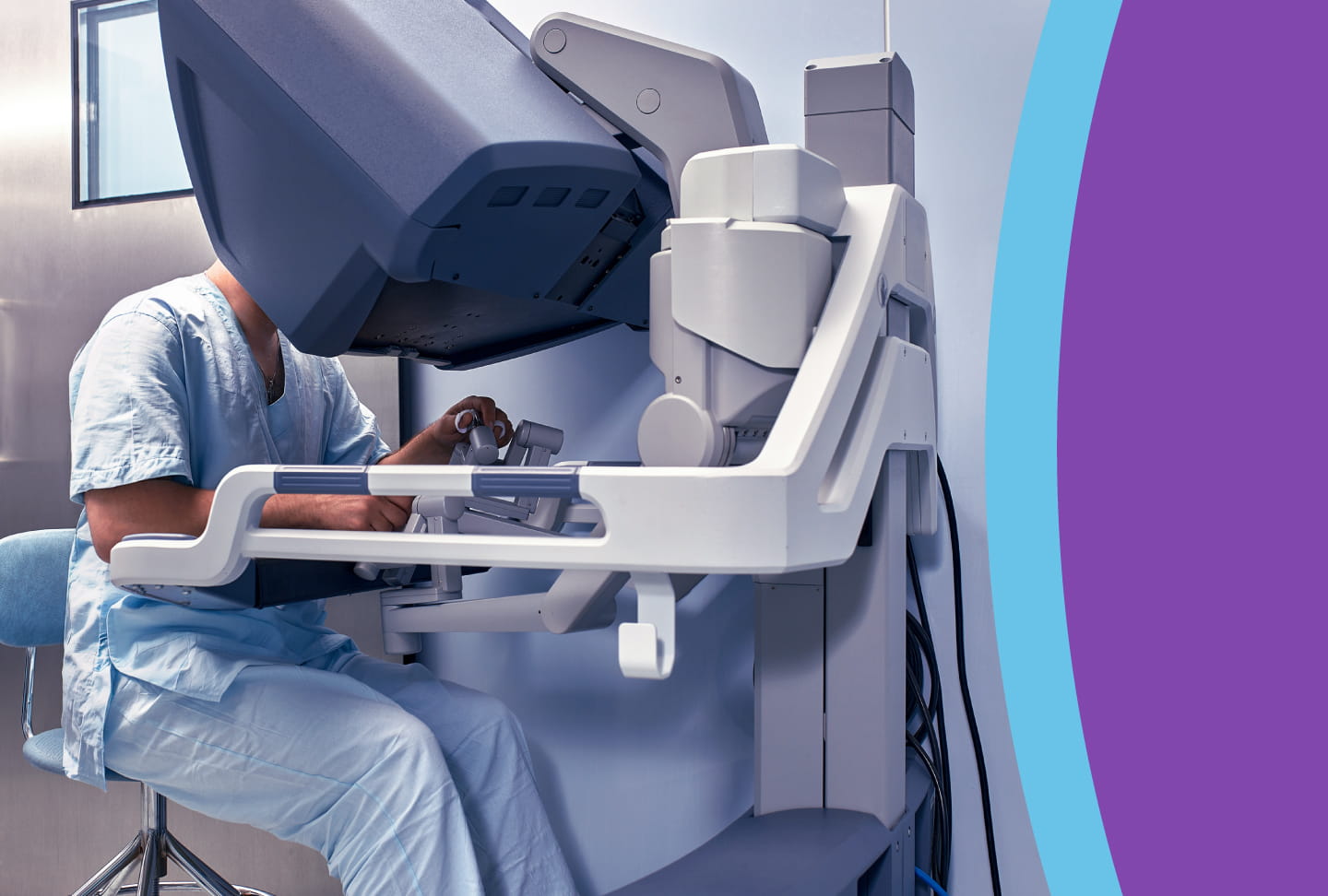
image of surgeon seated at robotic system console with hands guiding the controls

Highlights

Amazing Advancements—Robotics Expand Patient Care Options

Robotic surgery has transformed how surgeons care for patients with new innovations yet again. At Wellstar, continued investment in advanced technology is helping elevate surgical care across specialties—giving patients the option to have more precise and less invasive procedures that are easier to recover from.

“Technology continues to advance to provide newer and safer alternatives to treat our patients,” said Dr. Aaron Bolduc, a general surgeon at Wellstar MCG Health Medical Center. “As we adopt this new technology, we are able to lead the way in patient care with excellent outcomes.

Wellstar has expanded its robotic surgery program with the addition of the Da Vinci 5 robotic surgical system—also known as the DV5—at most locations, along with new applications for single-port surgery. These innovations build on years of robotic experience while helping clinicians deliver world-class care and train the physicians of the future.

Fast recoveries

The latest technologies continue to redefine what’s possible in surgery, including even shorter hospital stays and faster recovery timelines.

Dr. Jay Singh, Wellstar chief surgical officer and a colon and rectal surgeon, said significantly smaller incisions make a big impact: “That is potentially huge from the standpoint of patient satisfaction, decreased pain, quicker recovery time, a decrease in narcotics used and a quicker return to work.”

The impact is so great that some robotic procedures that previously required a few nights in the hospital are now being done as outpatient procedures, allowing patients to recover in the comfort of their homes.

DV5: A new level of precision

The DV5 represents a significant step forward in robotic surgery—notably for surgeon awareness and control. One of its most notable advancements is force feedback: “The ability to sense hard and soft tissue during robotic surgeries is a game changer,” said Dr. Julie Chang, an obstetrics and gynecology specialist. She was the first surgeon to use the DV5 system at Wellstar Cobb Medical Center.

“Surgeries will be even more precise and efficient with this tool, which will further reduce post-operative pain and make recovery time faster,” said Dr. Chang.

The machine’s sensory feedback means surgeons can apply the exact amount of pressure needed.

“The DV5 allows the surgeon to sense how much push-or-pull force they apply to delicate structures in the body,” said Dr. Fritz Jean-Pierre, a bariatric surgeon at Wellstar Kennestone Regional Medical Center. “Less strain means less trauma and potential injury, leading to faster patient recovery.”

Wellstar’s robotic program is grounded in decades of experience, combined with a commitment to adopt best‑in‑class technology.

“Having performed robotic surgery for well over 20 years, I started with the very first Da Vinci surgical robot,” said Dr. Scott Miller, Wellstar director of robotic surgical services and a urologist at Wellstar North Fulton Medical Center. “I was amazed when that came around, but I never cease to be amazed by every advancement. Now we have introduced the DV5 model to most Wellstar locations with 10,000 times processing power.”

With that comes enhanced visualization, instrument responsiveness and precision across a wide range of procedures.

“The DV5 is ideal for many urologic procedures, such as prostate and kidney removal, bladder surgery and urinary tract reconstruction,” Dr. Miller said. “The improved range-of-motion and visualization features help us protect healthy tissues and nerves.”

Keep reading
Woman on couch

Highlights

Find Comprehensive Breast Care with Wellstar

Breast health is an important part of every woman’s overall wellness. Routine breast cancer screening and timely evaluation of breast concerns can lead to earlier detection, more treatment options and improved outcomes. At Wellstar, we are committed to helping women feel informed and empowered throughout every stage of their breast health journey.

Catch cancer early

Regular screening mammograms remain one of the most effective tools for detecting breast cancer early, often before symptoms develop. If you’re at average risk of developing breast cancer, you should start annual mammograms at age 40. However, if you have a family history of breast cancer or other risk factors, your care team may recommend starting earlier and will help you create a screening plan.

In addition to annual screening, our team helps women understand their individual breast cancer risk and personal screening recommendations. Whether you are coming in for a routine screening, evaluation of a breast symptom or guidance regarding elevated cancer risk, our goal is to provide compassionate, expert care.

Care for benign conditions and cancer

Our breast health specialists provide evaluation and treatment for a range of breast conditions, from common benign concerns to newly diagnosed breast cancer. We understand that any breast abnormality can create anxiety, and we work closely with you to provide clear communication and individualized care plans.

We treat many benign breast conditions, including:

  • Breast cysts 
  • Fibroadenomas 
  • Breast pain 
  • Dense breasts
  • Nipple discharge 
  • Breast infections and abscesses 
  • High-risk and atypical breast lesions 

If you’ve been diagnosed with breast cancer, we provide comprehensive, multidisciplinary care and guide you through each step of diagnosis, treatment and beyond. We also care for women who are considered high-risk for breast cancer, including those with significant family histories, prior high-risk breast lesions or inherited genetic mutations such as BRCA and other hereditary cancer syndromes. Our team works closely with you to develop personalized surveillance and risk-reduction strategies tailored to your individual needs.

Advanced breast surgical care

At Wellstar, women have access to advanced breast surgical care delivered with a focus on precision, safety and cosmetic outcomes whenever possible. We offer procedures to diagnose and treat breast conditions using evidence-based surgical techniques.

Our surgical services include:

  • In-office ultrasound-guided breast biopsies 
  • Excisional breast biopsies 
  • Duct excisions 
  • Partial mastectomies (lumpectomies)
  • Sentinel lymph node biopsies and targeted axillary dissections 
  • Mastectomies with flat aesthetic closures
  • Skin-sparing and nipple-sparing mastectomies 
  • Breast reconstruction in collaboration with plastic surgery specialists

We aim to streamline care and reduce delays in diagnosis and treatment. If you require breast cancer surgery, our surgeons utilize best-in-class techniques designed to achieve excellent oncologic outcomes while also preserving appearance and quality of life.

Patient-centered approach to breast care

We believe exceptional breast care goes beyond medical treatment alone. Everyone deserves compassionate, personalized care in a supportive environment where questions are encouraged and concerns are heard.

From the first consultation through follow-up care, our team is dedicated to helping you feel comfortable, informed and confident in your care plan. We recognize that navigating breast concerns or a cancer diagnosis can feel overwhelming. We strive to make the process as seamless as possible through coordinated care, patient education and ongoing support.

Learn more about breast surgery at Wellstar.

Keep reading

COMMUNITY CARE

Community Care
In the Community Health Highlights Events & Classes
For Business
Corporate Purchasing Community Health Needs Assesment
Give
Wellstar Foundation Donate Ways to Give Volunteer

ABOUT US

About Wellstar Diversity Equity Inclusion & Belonging Leadership Wellstar Board of Trustees Healthcare Innovation Safety First Commitment Wellstar Research Institute Latest News

CAREERS & EDUCATION

Careers at Wellstar Graduate Medical Education Pharmacy Residency

PATIENT RESOURCES

Pay Your Bill Accepted Insurance

HELP

Contact Us Hospital Transparency Information Price Transparency Policy and Privacy Information

MEDIA

Media Room

COMMUNITY CARE

Community Care
In the Community Health Highlights Events & Classes
For Business
Corporate Purchasing Community Health Needs Assesment
Give
Wellstar Foundation Donate Ways to Give Volunteer

ABOUT US

About Wellstar Diversity Equity Inclusion & Belonging Leadership Wellstar Board of Trustees Healthcare Innovation Safety First Commitment Wellstar Research Institute Latest News

CAREERS & EDUCATION

Careers at Wellstar Graduate Medical Education Pharmacy Residency

PATIENT RESOURCES

Pay Your Bill Accepted Insurance

HELP

Contact Us Hospital Transparency Information Price Transparency Policy and Privacy Information

MEDIA

Media Room

COMMUNITY CARE

Community Care
In the Community Health Highlights Events & Classes
For Business
Corporate Purchasing Community Health Needs Assesment
Give
Wellstar Foundation Donate Ways to Give Volunteer

ABOUT US

About Wellstar Diversity Equity Inclusion & Belonging Leadership Wellstar Board of Trustees Healthcare Innovation Safety First Commitment Wellstar Research Institute Latest News

CAREERS & EDUCATION

Careers at Wellstar Graduate Medical Education Pharmacy Residency

PATIENT RESOURCES

Pay Your Bill Accepted Insurance

HELP

Contact Us Hospital Transparency Information Price Transparency Policy and Privacy Information

MEDIA

Media Room

Copyright © 2026 Wellstar Health System. All Rights Reserved.

Wellstar does not discriminate on, exclude people or treat them differently on the basis of race, color, national origin, age, disability, sex, gender identity or expression or any other type of discrimination prohibited by law.

  • Internet Privacy Policy
Cookie Preferences

We use cookies for booking and general analytics. Learn more about or internet privacy policy.