- Review medical and behavioral health history, including family history
- Identify and treat any health concerns like high blood pressure
- Make sure vaccinations and preventive care are up to date
- Discuss lifestyle changes to support a healthy pregnancy
- Learn about the care you can expect while pregnant
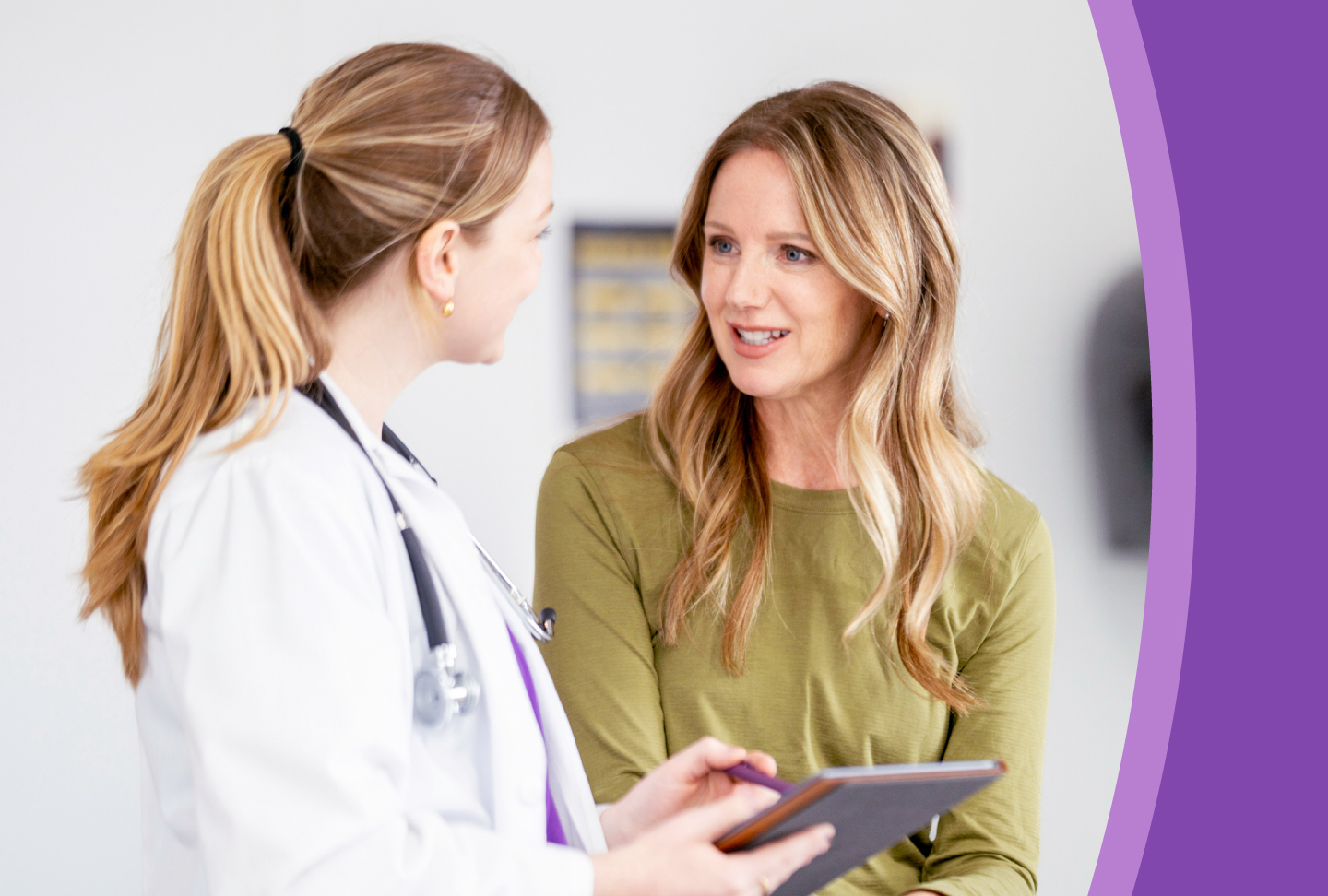
“These visits establish a health baseline before pregnancy happens,” said Wellstar OB/GYN Dr. Joy Baker. “We can optimize women’s health by addressing potential health issues and making lifestyle changes to benefit them and their babies.” If pregnancy is in your future, this guide will help you know what to expect from a preconception appointment and how to prepare.
Why schedule a preconception visit
Preconception appointments are important for future mothers of all ages. They’re especially useful if you’re over 30 or have a chronic health condition, such as high blood pressure, diabetes or obesity. More than half of all live births in the United States from 2022 to 2024 were to women 30 and over, according to March of Dimes. Fertility—or the ability to become pregnant—declines in the 30s and 40s. Statistics also show risks increase for mothers 35 and older for complications in pregnancy. Those risks include gestational diabetes, preeclampsia and cesarean births (C-sections). “With modern medicine, we can treat patients who are having fertility issues and safely support older pregnancies,” Dr. Baker said. “Knowing the risks and addressing them before pregnancy prepares us to guide and care for our patients and their families.” In some cases, preconception tests can detect potential heart or thyroid conditions, or a risk of developing diabetes during pregnancy or later. Hormonal changes during pregnancy can also affect mental health. At the preconception appointment, a clinician will ask you about any history of depression or anxiety, support networks, and stress at work or at home. Another benefit of the appointment is the opportunity to meet the physician who may be caring for you during an exciting period of your life. “I love that patients can interview me at preconception appointments,” said Dr. Baker. “They can get to know me. At the same time, I’m able to check blood test results and do any health optimization needed before becoming pregnant.”What happens during and after a preconception appointment
The appointment will include questions about you and your partner’s medical histories, including family history and ethnicity. Many genetic conditions, like sickle cell disease and Tay-Sachs disease, are more common in people from certain ethnic groups. Your OB/GYN may schedule tests to check your iron levels, blood sugar, blood pressure and heart health. They’ll want your vaccine record and may ask you to complete any missed vaccines or preventive screenings. Bring a list of prescription or over-the-counter medicines you take, including any vitamins or nutritional supplements. Your physician will recommend taking folic acid as a supplement or as part of a multivitamin, even before becoming pregnant. Folic acid is a B vitamin that can help protect against congenital brain and spinal cord conditions.What lifestyle changes can prepare you for a healthy pregnancy?
According to Dr. Baker, weight and lifestyle are other topics at the preconception appointment. Overweight or obese patients are at a higher risk of developing complications in pregnancy. Your OB/GYN will advise you on good nutrition and how much weight is healthy to gain during pregnancy based on your height and weight. If you use tobacco or alcohol, your care team will talk to you about the risks and how to make changes that will help you and your baby. Regular exercise is important as patients prepare for and experience pregnancy and labor.Questions to bring to a preconception appointment
Your preconception appointment will give you time to get to know your OB/GYN and ask any questions you have. Some suggested questions include- What happens if I don’t become pregnant?
- Do I have any health conditions that may affect my ability to become pregnant or have a healthy baby?
- When should I schedule an appointment after I become pregnant?
- What tests can I expect to have during pregnancy, and what do they check for?
- How often will I see you during pregnancy?
- Will I see other clinicians in the practice when I’m pregnant?
- How should I contact your office with questions or if I’m worried about something?
- Under what circumstances should I go directly to the Emergency Department?
- What happens as my delivery time nears?