At Wellstar, we deliver expert care with a human touch. From surgeries and interventions to routine screenings, our dedicated expert teams provide treatment that’s just as personal as it is advanced. With hundreds of locations including hospitals, clinics and offices, our reach is expansive and our approach is always individual. Expert care, made human. That's PeopleCare.
Highlights: PeopleCare
Expert Care, Made Human | That's PeopleCare
Published on October 02, 2026
Last updated 12:52 PM October 02, 2026

Expert Care, Made Human | That's PeopleCare
Expert care is about more than medicine—it’s about having the confidence and peace of mind that you’re in good hands. With compassionate providers, trusted expertise and care designed around each person, Wellstar helps patients feel supported every step of the way. Expert care, made human. That’s PeopleCare.
Read related articles
PeopleCare
Wellstar PeopleCare | Reaching New Heights After Head & Neck Cancer
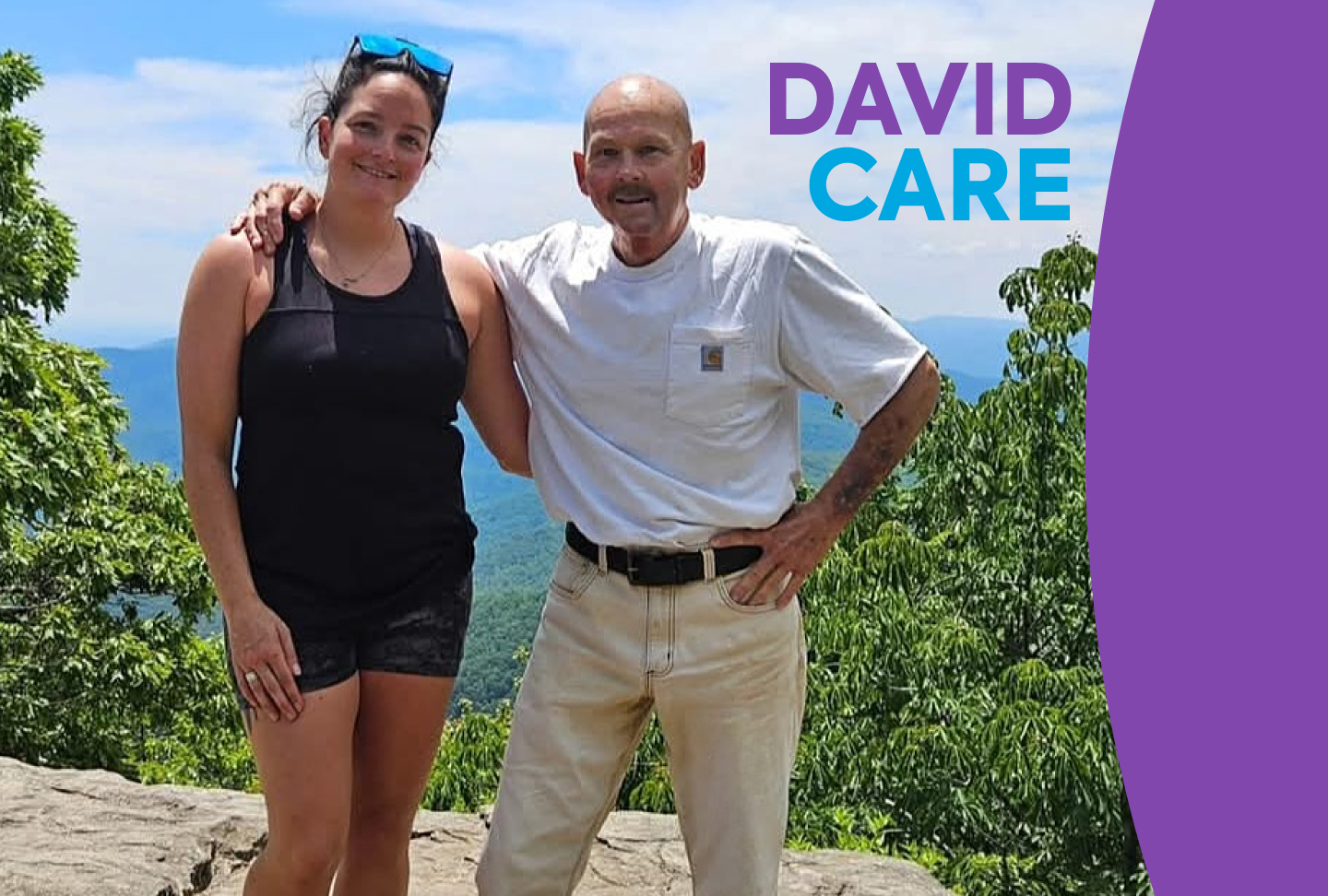
David Butler's cancer journey took him through a rare jaw reconstruction, multiple rounds of radiation treatment, chemotherapy, intense rehabilitation and coordinated care from specialists across Wellstar.
From survival to summit
After David did the hard work of fighting cancer twice and feeling like recovery was truly sailing along, he set a new goal. David and one of his daughters, Madeline Hawkins, completed a hiking and camping trip that included summiting Blood Mountain in North Georgia. They covered 14 miles, camping overnight and making friends along the trail.
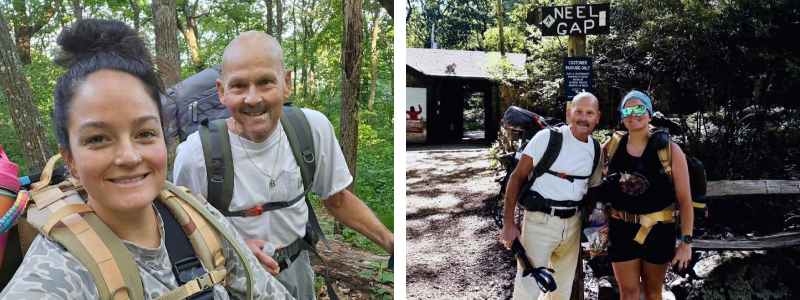
The hike wasn't easy.
“I forgot you have to be half mountain goat!” he quipped.
David moved at his own pace and pushed through lingering fatigue. Reaching the summit’s stunning vista at Preacher’s Rock was a reminder of how far he had come since his cancer diagnosis.
PeopleCare
Wellstar PeopleCare | Beating Cancer Twice with Coordinated Care
David Butler’s cancer journey began when he underwent treatment for an aggressive head and neck cancer. Supported by his family, faith and a team of head and neck cancer specialists, he had part of his jaw removed and went through radiation therapy and intense rehabilitation.
A major setback
The same year of his jaw surgery and initial radiation course, David’s recovery was beginning to feel like “smooth sailing.” Just as life started to feel manageable again, he faced an unexpected challenge.
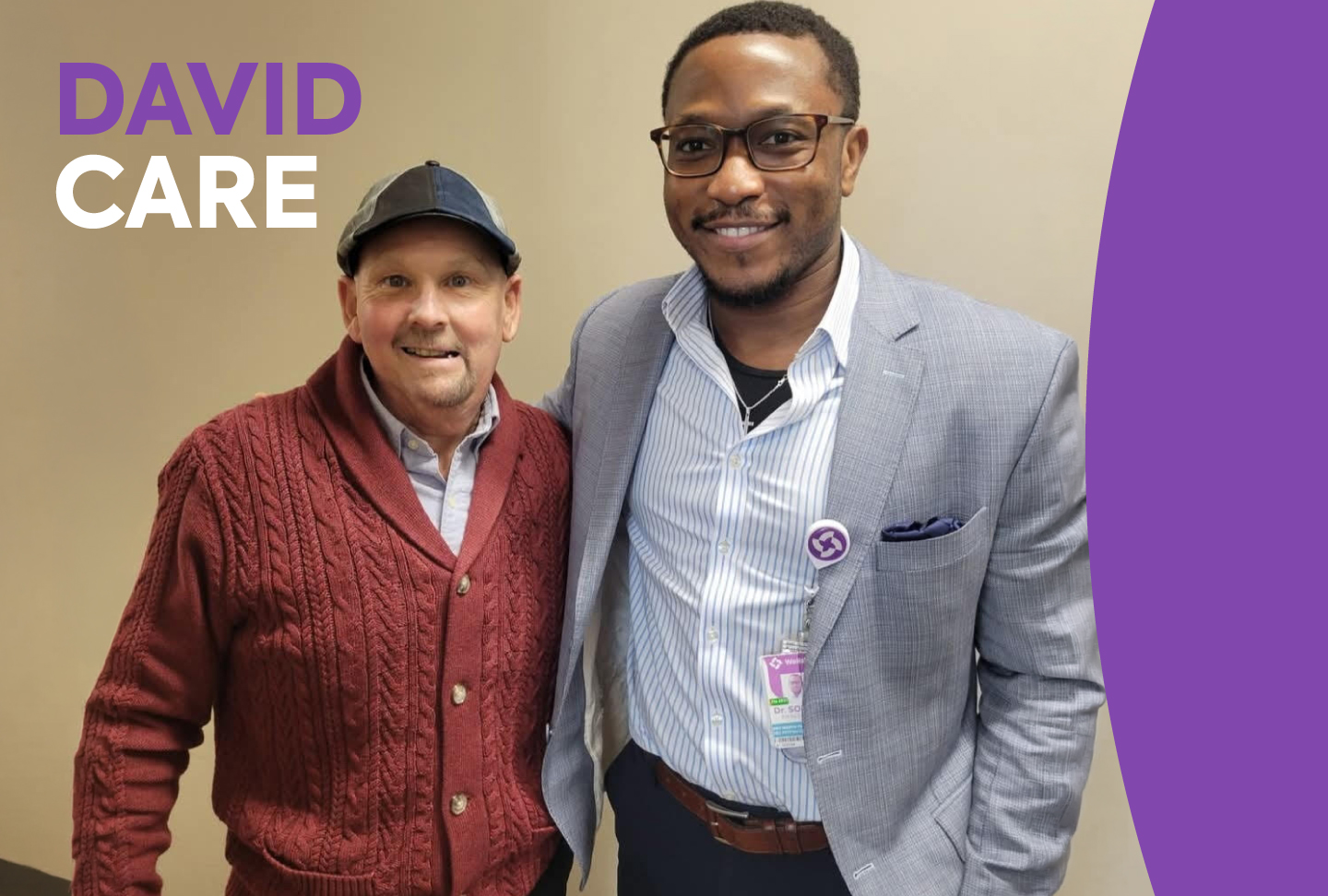
David and his wife, Jill, got devastating news: routine follow-up imaging revealed three new tumors on the other side of his neck and tongue. Dr. Fiyin Sokoya, David’s cancer surgeon, removed lymph nodes from David’s neck, had them biopsied and confirmed that it was an aggressive cancer.
At first, David felt so discouraged that he didn’t want to move forward with treatment.
However, seeing that a group of experts were working together to give him the best, evidence-based treatment path for his unique circumstance gave him confidence to renew his fight against cancer.
PeopleCare
Wellstar PeopleCare | Moving Fast, Working Together: Advanced Head & Neck Cancer Surgery Keeps David Smiling
David Butler's cancer journey took him through a rare jaw reconstruction, radiation and coordinated care from specialists across Wellstar. His care team collaborated to provide what he needed as quickly and efficiently as possible.
A bothersome mouth sore
Lean and energetic, David is quick with a joke and even quicker with a smile. A neatly trimmed mustache frames a grin that lights up his blue eyes, illuminating his trademark optimism and humor. They’re qualities he kept intact throughout cancer treatment and draws on today, when he encourages people who are newly diagnosed with cancer.
It started with a sore on his gum in the fall of 2023. He assumed it would heal on its own. Instead, it got worse. When he could hardly swallow a few months later, his dentist referred him to an oral surgeon for a biopsy. That’s when he got the life-changing news: it was cancer.
“You hear the big C and it scares you to death,” David said. “But there's light at the end of the tunnel. There's always hope.”
What followed was cancer treatment involving surgery, radiation, chemotherapy and support from a whole team of cancer specialists. Along the way, David said he leaned on his faith, the support of his wife, Jill, who he credits as his biggest advocate—and the expertise of Wellstar caregivers.