SKIP NAVIGATION
MyChart Search
Wellstar Go Back
MyChart
  • Find a Doctor
  • Locations
  • Medical Services
    Popular Services
    • Emergency Care
    • Urgent Care
    • Virtual Care
    • Primary Care
    • Women's Health
    • Pediatric Care
    • Cancer Care
    • Heart Care
    • Neuro Care
    • Orthopedics
    • View All Medical Services
    Expanded Services
    • Lab Services
    • Imaging
    • ENT
    • Pulmonary
    • Gastroenterology
    • Urology
    • Physical Therapy
    • Behavioral Health
    • Pharmacies
    • View All Medical Services
    For Providers
    • Refer a Patient
    • Transfer a Patient
    • Physician Relations
    • Wellstar Clinical Partners
    • Provider Resources
  • Patient Resources
    Patient Portal
    • MyChart Login
    • Sign-Up for MyChart
    • Get Medical Records
    Visiting
    • Visitation Guidelines
    • Patient Guides
    • Find My Way
    Billing & Insurance
    • Accepted Insurance
    • Pay Your Bill
    • Financial Assistance
  • Wellstar for You
    Community
    • Classes and Events
    • Center for Health Equity
    • Support Groups
    • Community Outreach
    • Wellstar Find Help
    • Translation Services
    • Volunteer Opportunities
    Health Content
    • Articles
    • PeopleCare
  • Find a Doctor
  • Locations
  • Medical Services
  • Patient Resources
  • Wellstar for You

Popular Services

Emergency Care Urgent Care Virtual Care Primary Care Women's Health
Pediatric Care Cancer Care Heart Care Neuro Care Orthopedics

Expanded Services

Lab Services Imaging ENT Pulmonary Gastroenterology
Urology Physical Therapy Behavioral Health Pharmacies View All Medical Services

For Providers

Refer a Patient Transfer a Patient Physician Relations Wellstar Clinical Partners Provider Resources

Patient Portal

MyChart Login Sign-Up for MyChart Get Medical Records

Visiting

Visitation Guidelines Patient Guides Find My Way

Billing & Insurance

Accepted Insurance Pay Your Bill Financial Assistance

Community

Classes and Events Center for Health Equity Support Groups Community Outreach
Wellstar Find Help Translation Services Volunteer Opportunities

Health Content

Articles PeopleCare
  • Home
  • Articles
  • New Wellstar Health System Initiative Strives to Improve Outcomes for Patients with Pulmonary Embolisms
Article Category: Highlights

New Wellstar Health System Initiative Strives to Improve Outcomes for Patients with Pulmonary Embolisms

Published on May 05, 2021

Last updated 03:09 PM May 05, 2021

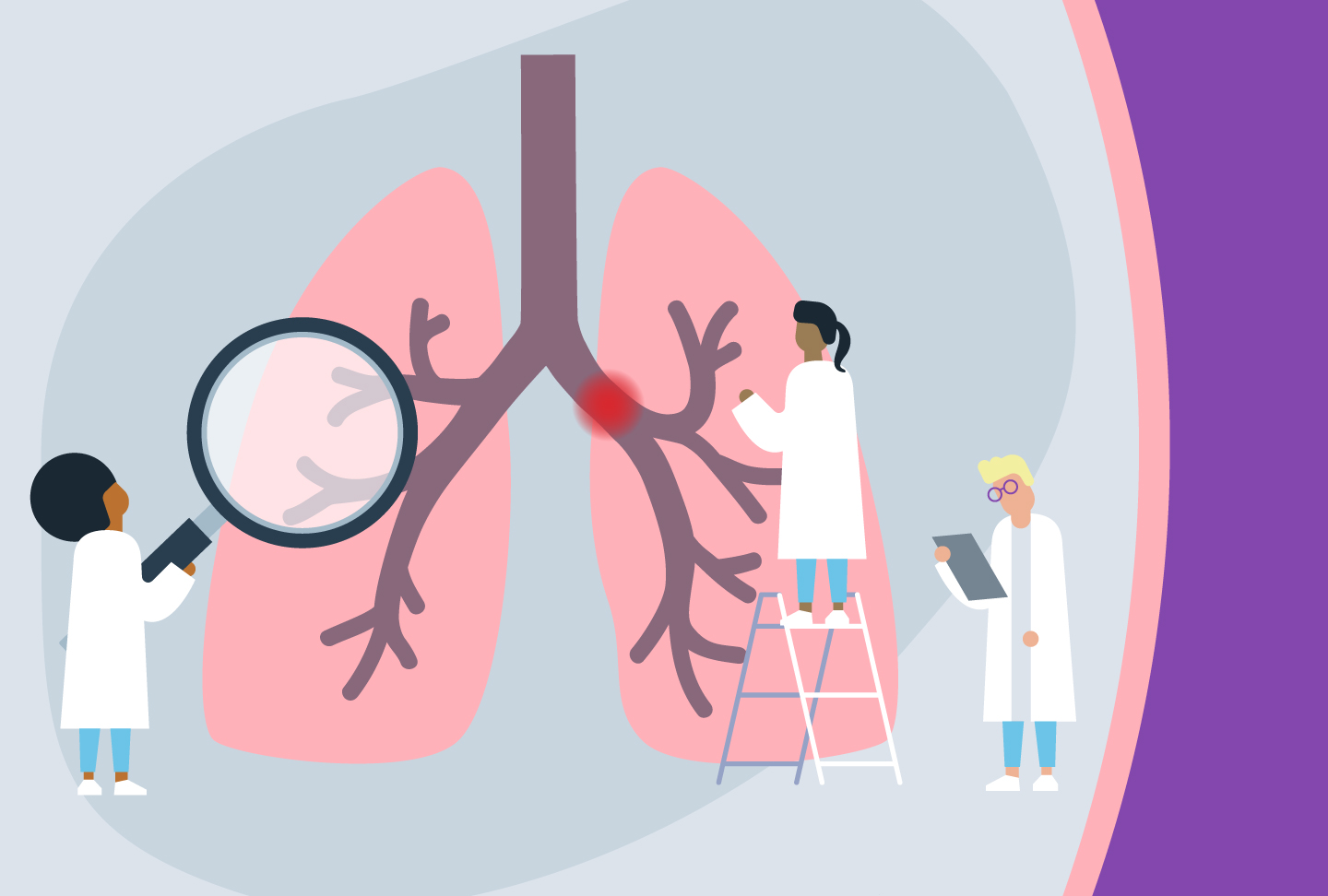
Illustration of providers looking at blocked artery in lung

When a patient has a pulmonary embolism, it’s crucial that they receive the right care, right away. A new team of experts at Wellstar brings together specialists from several disciplines to collaborate on care, quickly and accurately assessing patients and formalizing a personalized treatment plan.

The Pulmonary Embolism Response Team (PERT), implemented systemwide at Wellstar, ensures that all our patients receive timely treatment for this serious condition. Pulmonary embolisms, or blood clots in the lung’s arteries, are the third leading cause of death among hospitalized people and the third most common cardiovascular cause of death. With this new initiative, patients have an entire care team dedicated to fighting those statistics. 

The PERT includes interventional cardiologists, critical care specialists, pulmonary experts, emergency medicine physicians and hematologists, who look at the patient’s case from multiple perspectives.

“In emergencies like pulmonary embolism, time is of the essence in treating this potentially fatal condition,” said Dr. Salvatore Mannino, Medical Director of Invasive and Interventional Cardiology for Wellstar. “With our new multi-disciplinary, multi-hospital team, several specialists can weigh in at once, speeding up treatment and making sure the patient receives the treatment that will lead to the best outcome.” 

If a patient needs to be transferred to another facility for treatment, Wellstar makes that transition seamless, with providers efficiently communicating between hospitals about the patient’s personalized care plan.  

Learn more about how Wellstar’s cardiovascular providers can keep you healthy at wellstar.org/heartcare. To make an appointment, call (770) 956-STAR.

Tags

Salvatore F Mannino Heart Care
Related Articles
Person in virtual meeting with clinician

Highlights

Small Steps. Real Change. Supporting Heart Health Where Life Happens

The CDC Foundation is launching Live to the Beat Virtual Coaching, a free program to help women take small steps toward better heart health. This flexible, virtual program offers practical guidance meant to support and encourage—never overwhelm.

Live to the Beat Virtual Coaching focuses on everyday habits that matter most for heart health. Women will learn how to manage blood pressure, reduce stress, improve sleep and build health routines. The program helps participants understand their numbers and learn the right questions to ask so they can be active partners in their care.

Through our partnership with the CDC Foundation, Wellstar provides support for the virtual coaching program. This includes Dr. Karla Booker, a Wellstar primary care physician and public health advocate. Dr. Booker helps participants to better understand their health, prepare for medical visits and work with their care team to manage their well-being.

"I want my patients to know that I am their dream weaver. Whatever life they envision for themselves is possible," Dr. Booker said. "I want to empower them to communicate openly with me to make their dreams come true."

Participants may choose to attend all five sessions or choose sessions that fit their needs. Each session offers practical tools, real‑world insights and clear next steps that can be applied immediately. Following the live sessions, instructional videos are available for download. Partners and community organizations can also use a facilitator guide (by request) and session worksheet to can help educate the community.

Learn more and register at livetothebeat.org/coaching. 

Keep reading
Healthcare provider listens to her patient's heart using a stethoscope

Highlights

How Wellstar’s Cardio-Oncology Program Protects Heart Health During Cancer Care

Cancer treatment can save lives—but for some people, it can also be hard on the heart.

Wellstar's Cardio-Oncology Program provides specialized care to address this risk. The program offers cancer-focused heart care that helps protect cardiovascular health before, during and after treatment.

Our cardio-oncology experts support people with cancer who have heart disease, are at high risk for heart problems or are receiving therapies that may affect heart function. By monitoring heart health and coordinating care, we help people receive the most appropriate cancer treatment while reducing the risk of heart complications.

Expertise in heart disease and cancer care

Researchers have identified a connection between cancer care and cardiovascular health, leading to the creation of cardio-oncology. At Wellstar, this specialized care is available in metro Atlanta and Augusta, expanding access for people across Georgia.

“Cardio-oncology exists because more people are surviving cancer and living long enough to face heart-related complications,” said Dr. Avirup Guha, a board-certified cardio-oncologist at Wellstar Georgia Cancer Center and the first designated fellow of the International Cardio-Oncology Society in Georgia. “For some patients, cancer treatments can damage their heart. For others, they may have existing cardiovascular disease that needs careful management during cancer care. That requires expertise beyond cardiology—knowing how to modify therapy without causing harm.”

Cardio-oncologists are cardiologists with advanced training in how cancer therapies affect the heart. They help guide treatment decisions and work closely with oncology teams to ensure patients receive safe, effective care.

“A lot of oncology treatments are very effective for cancer, but the heart can become an innocent bystander,” said Wellstar Cardio-Oncologist Dr. Nikolas Krishna, who also specializes in advanced heart failure and transplant cardiology. “We advocate for these patients so their oncology and cardiology teams work together for the best possible outcome.”

Coordinated, team-based care

Multidisciplinary collaboration is central to Wellstar Cardio-Oncology. Cardiologists, oncologists, nurse navigators and other specialists communicate directly to align care and support both cancer outcomes and heart health.

“Our program helps address complications before they happen and streamlines care so people aren’t going back and forth between specialists,” Dr. Guha said.

Wellstar Cardio-Oncology teams partner with patients and families to understand risks and create a personalized plan. This may include imaging, blood tests and ongoing monitoring to detect early signs of heart conditions during chemotherapy, hormone therapy or radiation.

Additionally, Wellstar Cardio-Oncology nurse navigators—registered nurses with advanced training—provide compassionate guidance throughout the care journey.

“Nurse navigation plays a key role in educating patients and making sure they .understand their care plan,” said Dr. Guha. “It’s all about communication.”

Who can benefit from cardio-oncology care

Cardio-oncology care supports people from diagnosis through survivorship, especially when treatments or existing conditions may affect heart health.

You may benefit from cardio-oncology services if you have cancer or were treated for cancer within the past five years and you:

  • Have heart failure or another existing heart condition
  • Are at high risk for heart disease
  • Have experienced cardiovascular complications after cancer treatment
  • Require chemotherapy that may be cardiotoxic or radiation therapy to the chest

Some cancer treatments can weaken the heart muscle or alter heart function, making monitoring and early intervention essential. Therapies known to affect the heart include anthracyclines, platinum-based chemotherapy, HER2-targeted therapies, tyrosine kinase inhibitors (TKIs), immune checkpoint inhibitors (ICIs) and fluoropyrimidines.

“Too often we see patients years after treatment when heart problems have already developed,” Dr. Krishna said. “By screening earlier and seeing patients upstream, we can prevent disease rather than treat it after it occurs.”

Support that extends into survivorship

When cancer treatment ends, Wellstar Cardio-Oncology teams continue monitoring heart health and providing preventive care tailored to each person’s history.

“Survivors may face accelerated cardiovascular risks years later,” said Dr. Krishna. “By continuing to screen and monitor, we can help catch any issues and protect their long-term health and quality of life.”

This ongoing care gives patients greater peace of mind as they navigate recovery.

“We want patients to know we are a layer of reassurance,” Dr. Krishna said. “They don’t have to worry about treatment hurting their heart—we are here to protect it so they can focus on healing.”

By combining advanced expertise, early monitoring and compassionate support, Wellstar’s Cardio-Oncology Program helps people face cancer with confidence.

Learn more about cardio-oncology services at Wellstar.

Keep reading
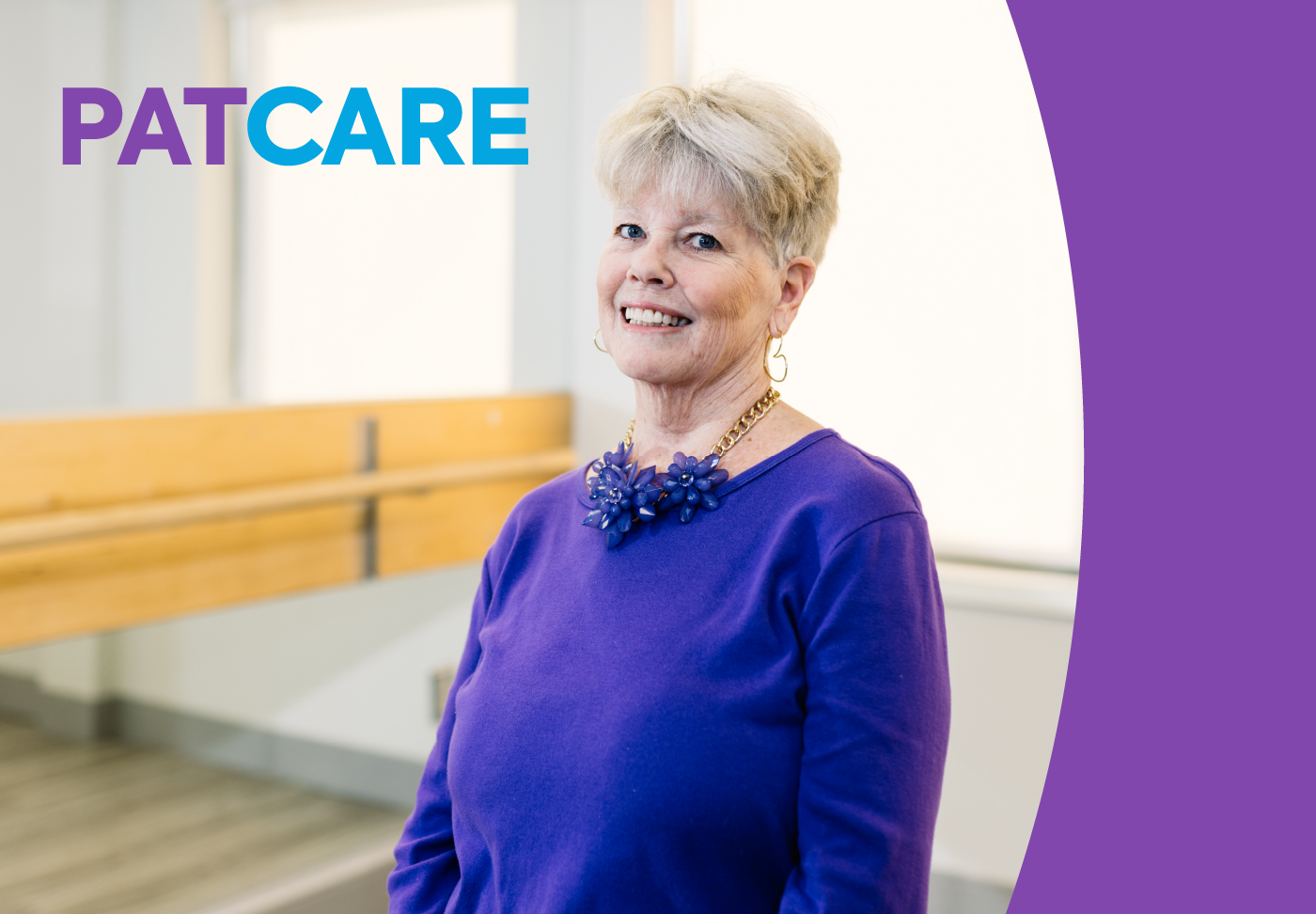
Thanks to a team of heart failure doctors and the Optimizer Heart Mini, Pat's back to dancing the Carolina shag again.

PeopleCare

Wellstar PeopleCare | Pat's Heart Condition Recovery Journey

Pat Gelisse has been dancing for 30 years. She even taught the Carolina shag for a while. It’s a partner dance, sometimes compared to Swing dancing to beach music.

But severe heart failure downgraded Pat’s dancing queen status for close to 10 years.

“I went from feeling happy to feeling like a nothing,” she remembered of that time in her life.

With a team of Wellstar heart specialists working together for her, Pat found hope and new life on the dance floor.

Heart failure masquerades as acid reflux

It started more than a decade ago when Pat lived in central Georgia. She scheduled a doctor’s appointment for what she thought was acid reflux. She popped in on a quick break from her marketing job, assuming it wouldn’t take long.

Blood work and an EKG got Pat a ticket straight to the hospital and a quadruple bypass. 

“My heart got worse; it wasn’t pumping blood,” Pat said.

She was in acute heart failure, a life-threatening condition where the heart doesn’t pump well enough to deliver the necessary amount of oxygen to her body. Pat’s ejection fraction (EF)—the percentage measurement of the blood that leaves the heart each time it pumps—was only 10%. The normal range is 50 to 70%.

It was a scary time, and with a family history of heart problems, Pat was worried. She’d lost both parents to heart failure, as well as other family members.

“I just knew for sure I was going to be next,” said Pat.

Doctors from various academic institutions discussed serious treatments ranging from LVAD to transplant, but because the pumping performance of her heart improved, she was no longer a candidate for those procedures. Instead, Pat spent close to nine years managing her heart failure with a pacemaker and various medications—treatments that failed to get her back on the dance floor.

Keep reading

COMMUNITY CARE

Community Care
In the Community Health Highlights Events & Classes
For Business
Corporate Purchasing Community Health Needs Assesment
Give
Wellstar Foundation Donate Ways to Give Volunteer

ABOUT US

About Wellstar Diversity Equity Inclusion & Belonging Leadership Wellstar Board of Trustees Healthcare Innovation Safety First Commitment Wellstar Research Institute Latest News

CAREERS & EDUCATION

Careers at Wellstar Graduate Medical Education Pharmacy Residency

PATIENT RESOURCES

Pay Your Bill Accepted Insurance

HELP

Contact Us Hospital Transparency Information Price Transparency Policy and Privacy Information

MEDIA

Media Room

COMMUNITY CARE

Community Care
In the Community Health Highlights Events & Classes
For Business
Corporate Purchasing Community Health Needs Assesment
Give
Wellstar Foundation Donate Ways to Give Volunteer

ABOUT US

About Wellstar Diversity Equity Inclusion & Belonging Leadership Wellstar Board of Trustees Healthcare Innovation Safety First Commitment Wellstar Research Institute Latest News

CAREERS & EDUCATION

Careers at Wellstar Graduate Medical Education Pharmacy Residency

PATIENT RESOURCES

Pay Your Bill Accepted Insurance

HELP

Contact Us Hospital Transparency Information Price Transparency Policy and Privacy Information

MEDIA

Media Room

COMMUNITY CARE

Community Care
In the Community Health Highlights Events & Classes
For Business
Corporate Purchasing Community Health Needs Assesment
Give
Wellstar Foundation Donate Ways to Give Volunteer

ABOUT US

About Wellstar Diversity Equity Inclusion & Belonging Leadership Wellstar Board of Trustees Healthcare Innovation Safety First Commitment Wellstar Research Institute Latest News

CAREERS & EDUCATION

Careers at Wellstar Graduate Medical Education Pharmacy Residency

PATIENT RESOURCES

Pay Your Bill Accepted Insurance

HELP

Contact Us Hospital Transparency Information Price Transparency Policy and Privacy Information

MEDIA

Media Room

Copyright © 2026 Wellstar Health System. All Rights Reserved.

Wellstar does not discriminate on, exclude people or treat them differently on the basis of race, color, national origin, age, disability, sex, gender identity or expression or any other type of discrimination prohibited by law.

  • Internet Privacy Policy
Cookie Preferences

We use cookies for booking and general analytics. Learn more about or internet privacy policy.