When caught early, colorectal cancer is much more treatable, yet many people face barriers that prevent them from getting screened. Through the ColoCare Connect Program, Wellstar is working to make preventive care more accessible for communities who need it most.
In 2024, Cobb & Douglas Public Health, with support from the Wellstar Foundation, provided funding to expand colon cancer screening across Cobb and Douglas counties with the launch of ColoCare Connect. The community-based program, led by Wellstar Center for Health Equity and the Community Health team, focuses on education, resources and supplying at-home screening tests with the help of trusted local clinics.
Meeting patients where they are
Instead of patients having to navigate additional appointments, ColoCare Connect partnered with community clinics that were already providing care. These included BWell Medical & Wellness Center, Someone Cares, Bethesda Community Clinic and The Rouse Foundation.
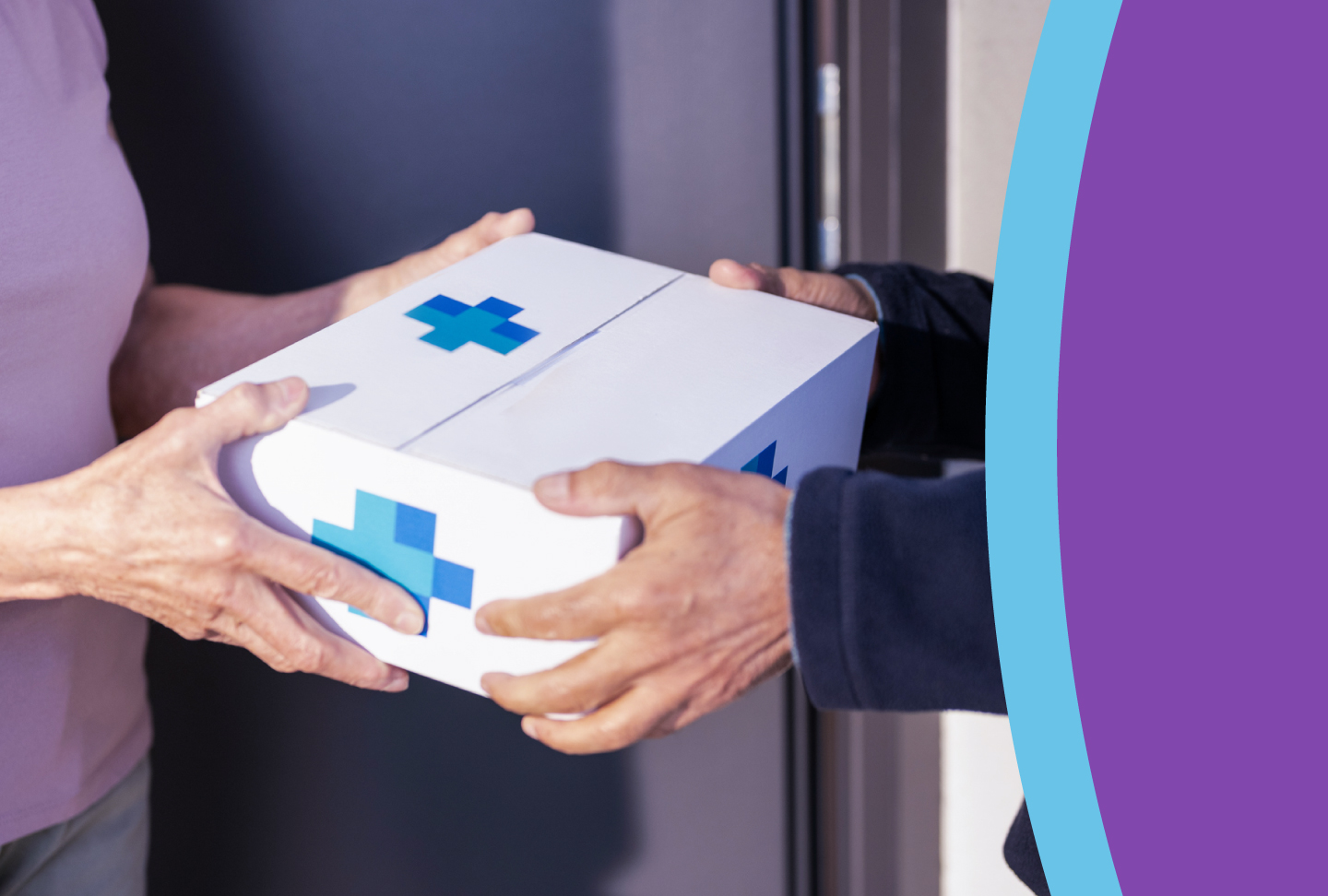
Our partners provided patients with fecal immunochemical tests (FIT kits) that allowed them to complete colorectal cancer screening at home. During the grant period alone, the program distributed 435 FIT kits.
A strong community partner: BWell Medical & Wellness Center
One example of ColoCareConnect’s impact is BWell Medical & Wellness Center, which distributed more than 100 FIT kits and continues to collaborate with Wellstar to help people get screened.
The clinic serves a diverse population that includes working families, the elderly, underserved residents and people living in assisted living or personal care homes.
“Our focus is on accessible, patient-centered care that emphasizes prevention and early intervention,” said Vivian Adu-Aboagye, director of BWell Medical & Wellness Center. “Many of our patients face barriers such as transportation challenges, time constraints or limited access to preventive services.”
The partnership stood out because it offered a practical and patient-friendly solution.
“Many patients delay colon cancer screening due to fear, cost concerns or scheduling challenges related to their colonoscopy,” she added. “The FIT kits provide a convenient option that fits naturally into routine primary care visits.”
Making screening part of everyday care
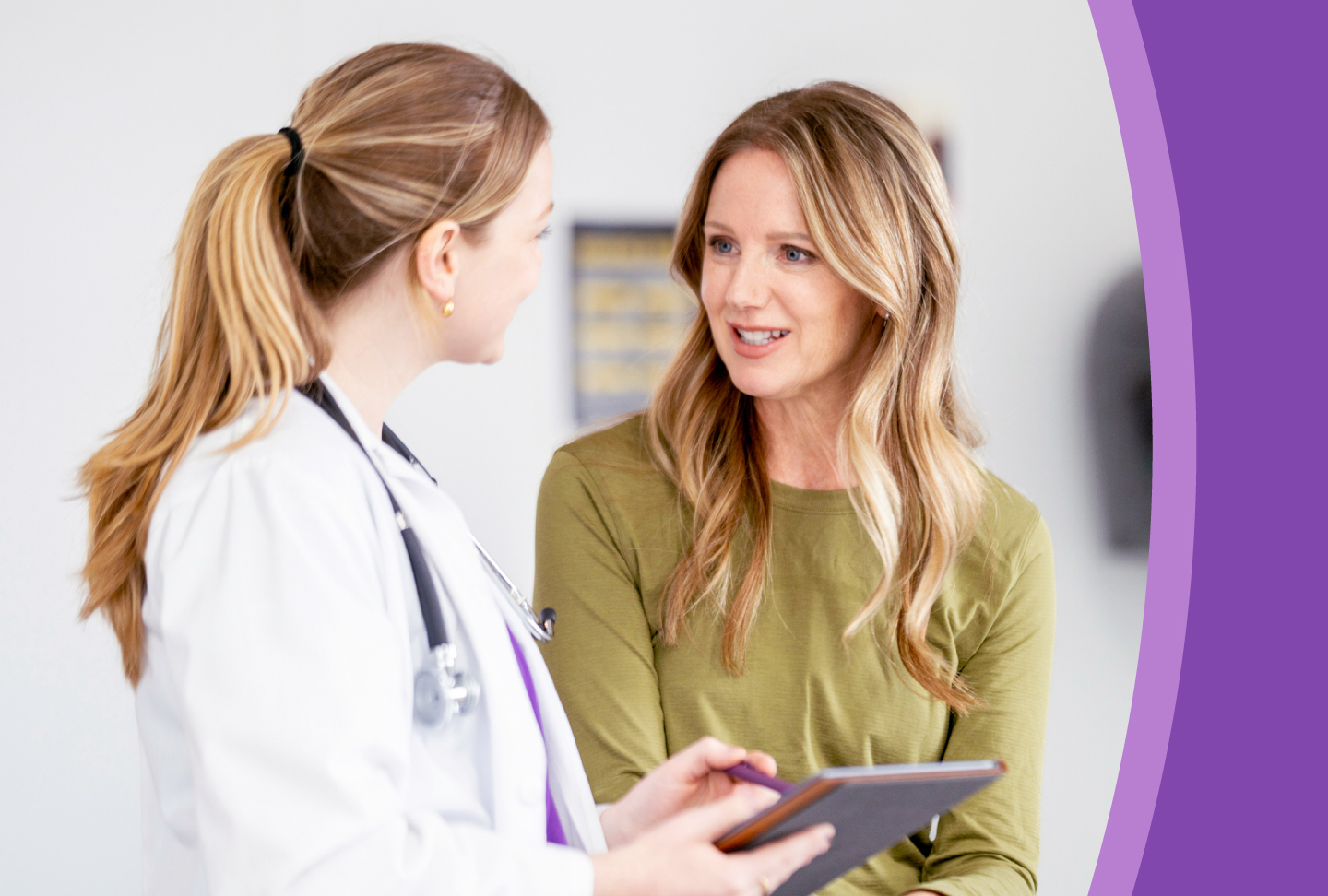
At BWell, team members speak with patients during their visits to determine if they need colorectal cancer screening. They provide education and distribute kits during appointments, then follow up about returning the kit.
Patients have said they appreciate the privacy and convenience of the kits. Many of them had previously avoided screening due to concerns about invasive procedures or difficulty taking time off work. By removing common barriers, like transportation challenges, scheduling conflicts and fear, patients who may have otherwise skipped their colon cancer screenings were able to get checked.
Building toward healthier communities
ColoCare Connect demonstrates the power of community partnerships in advancing health equity. By equipping trusted local clinics with resources and support, the program expanded access to life-saving screening.
As the program continues, partnerships like these help ensure that more individuals have the opportunity to participate in early detection and receive follow-up care when needed. This ultimately improves outcomes and strengthens community health across the region.
Connecting patients to ongoing support
Screening is an important first step, but access to information and support beyond the clinic is also critical. Community members can use Wellstar Find Help to locate colorectal cancer screening programs, patient navigation services and financial assistance resources available in their ZIP code.
If your screening has an abnormal result, care teams can help coordinate next steps, answer questions about a colonoscopy and identify financial assistance options when needed. By pairing clinic-based screening with community-based support resources, Wellstar and its partners are working to ensure patients do not have to navigate the process alone.