SKIP NAVIGATION
MyChart Search
Wellstar Go Back
MyChart
  • Find a Doctor
  • Locations
  • Medical Services
    Popular Services
    • Emergency Care
    • Urgent Care
    • Virtual Care
    • Primary Care
    • Women's Health
    • Pediatric Care
    • Cancer Care
    • Heart Care
    • Neuro Care
    • Orthopedics
    • View All Medical Services
    Expanded Services
    • Lab Services
    • Imaging
    • ENT
    • Pulmonary
    • Gastroenterology
    • Urology
    • Physical Therapy
    • Behavioral Health
    • Pharmacies
    • View All Medical Services
    For Providers
    • Refer a Patient
    • Transfer a Patient
    • Physician Relations
    • Wellstar Clinical Partners
    • Provider Resources
  • Patient Resources
    Patient Portal
    • MyChart Login
    • Sign-Up for MyChart
    • Get Medical Records
    Visiting
    • Visitation Guidelines
    • Patient Guides
    • Find My Way
    Billing & Insurance
    • Accepted Insurance
    • Pay Your Bill
    • Financial Assistance
  • Wellstar for You
    Community
    • Classes and Events
    • Center for Health Equity
    • Support Groups
    • Community Outreach
    • Wellstar Find Help
    • Translation Services
    • Volunteer Opportunities
    Health Content
    • Articles
    • PeopleCare
  • Find a Doctor
  • Locations
  • Medical Services
  • Patient Resources
  • Wellstar for You

Popular Services

Emergency Care Urgent Care Virtual Care Primary Care Women's Health
Pediatric Care Cancer Care Heart Care Neuro Care Orthopedics

Expanded Services

Lab Services Imaging ENT Pulmonary Gastroenterology
Urology Physical Therapy Behavioral Health Pharmacies View All Medical Services

For Providers

Refer a Patient Transfer a Patient Physician Relations Wellstar Clinical Partners Provider Resources

Patient Portal

MyChart Login Sign-Up for MyChart Get Medical Records

Visiting

Visitation Guidelines Patient Guides Find My Way

Billing & Insurance

Accepted Insurance Pay Your Bill Financial Assistance

Community

Classes and Events Center for Health Equity Support Groups Community Outreach
Wellstar Find Help Translation Services Volunteer Opportunities

Health Content

Articles PeopleCare
New Sarcoidosis Clinic at Wellstar MCG Health Helps Diagnose, Treat Patients Living with Little-Known Disease

New Sarcoidosis Clinic at Wellstar MCG Health Helps Diagnose, Treat Patients Living with Little-Known Disease

It’s taken three years and several hospitalizations, but Dianne George finally knows what’s wrong with her heart, and it’s not one of the usual ailments.

She has sarcoidosis.

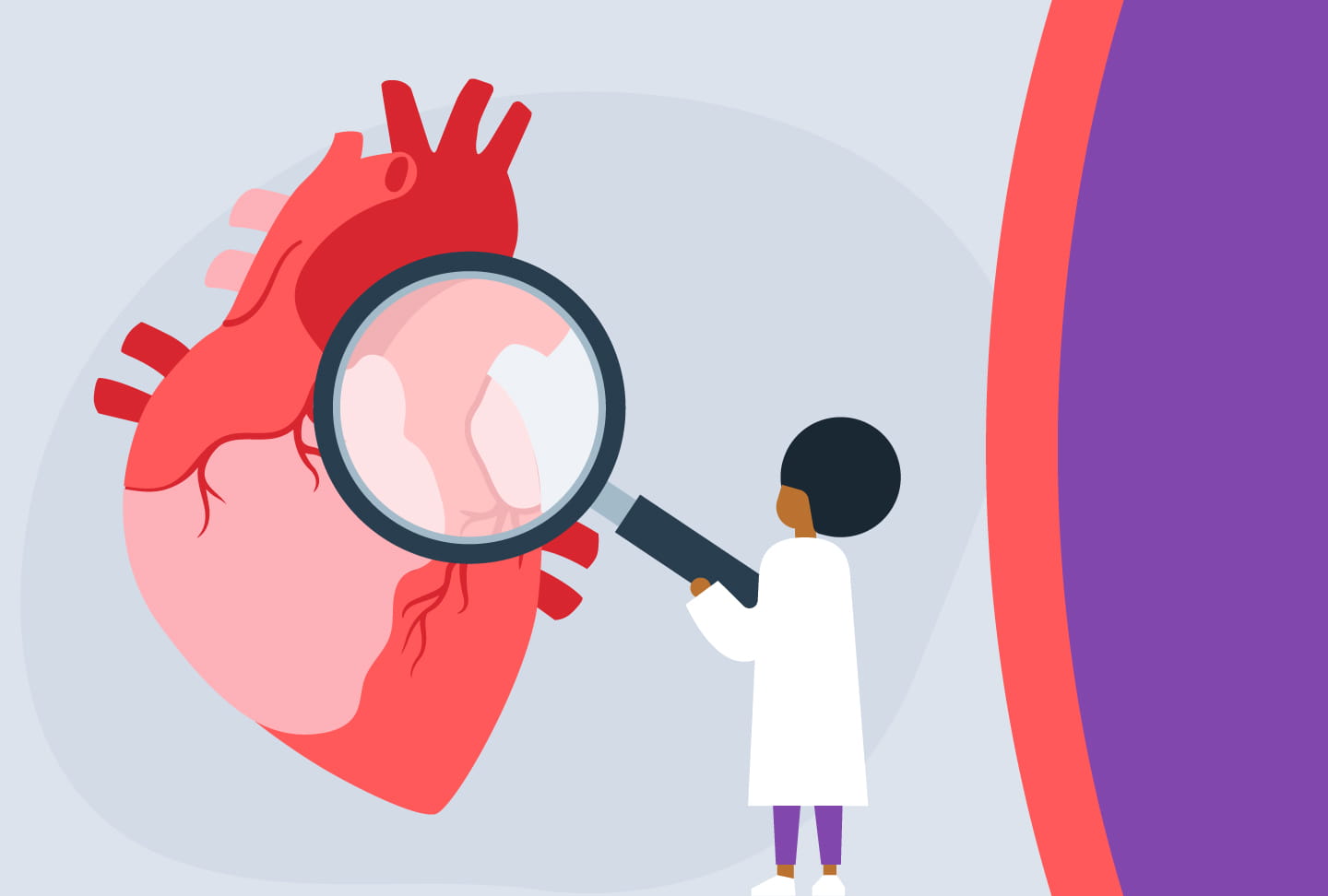
The condition is often missed partly because symptoms are not obvious, and partly because many physicians don’t know about it. Sarcoidosis is an inflammatory disease that causes clumps of immune cells, called granulomas, to form in tissues and organs.

“We don’t know what triggers it, and we don’t understand why certain people get it and are more susceptible to it,” said Dr. Neal Weintraub, Division Chief of Cardiology and Professor of Medicine at Augusta University’s Medical College of Georgia. “It’s most common in Black people, and it’s also very common in Scandinavia.”

It can affect almost any organ, though the lungs are most commonly involved.

For George, the granulomas form in her heart. With conditions involving the heart, the first symptom might be sudden death.

That’s one thing that makes George’s case unique: She’s here to tell her story.

“It all started in June of 2019,” she said. “I was a teacher, and I walked the neighborhood during the summer, in the morning. That summer, I started walking but I would get out of breath, dizzy and stuff.”

On her way to Edisto Beach for a trip with her husband, she joked that at least she had never passed out.

“Probably 20 minutes later, after saying that, I passed out in the car,” George said. “Harry tried to find my pulse and he couldn’t find it. I recovered fairly quickly, but I didn’t feel right.”

They went to a nearby prompt care clinic, which sent George to a local hospital because, while her blood pressure was good, her heart rate was off. She received a pacemaker and assumed that her problems were solved.

In November 2019, George started having ventricular tachycardia—her heart was beating very fast and weakly. Her cardiologist in Aiken, where she lives, sent her to Wellstar MCG Health Medical Center. She was placed on medical therapy and her pacemaker was changed to a CRT-D device, which has a defibrillator that shocks the heart to restore a regular heartbeat rhythm.

George began receiving repeated shocks from her device and was readmitted to the hospital the following month. Weintraub became involved in her care and almost immediately suspected the culprit could be sarcoidosis. He ordered several tests, including a PET scan and bronchoscopy with a biopsy, which confirmed the diagnosis.

Weintraub prescribed several medications designed to treat inflammation, as well as heart medications. George’s heart rhythm calmed down almost immediately and her heart function recovered.

Cardiac sarcoidosis can become very serious if left untreated, Weintraub said. Besides dangerous arrhythmias, patients like George could present with heart failure with no obvious cause such as blocked arteries to explain it.

“The problem is a lot of physicians are not aware of cardiac sarcoidosis at all. Even many cardiologists don’t think about it. Since they don’t think about it, they can’t make the diagnosis,” he said. “If you have cardiac sarcoidosis and proper treatment is not given, the prognosis is dismal. Most people that have untreated cardiac sarcoidosis will be dead within a few years.”

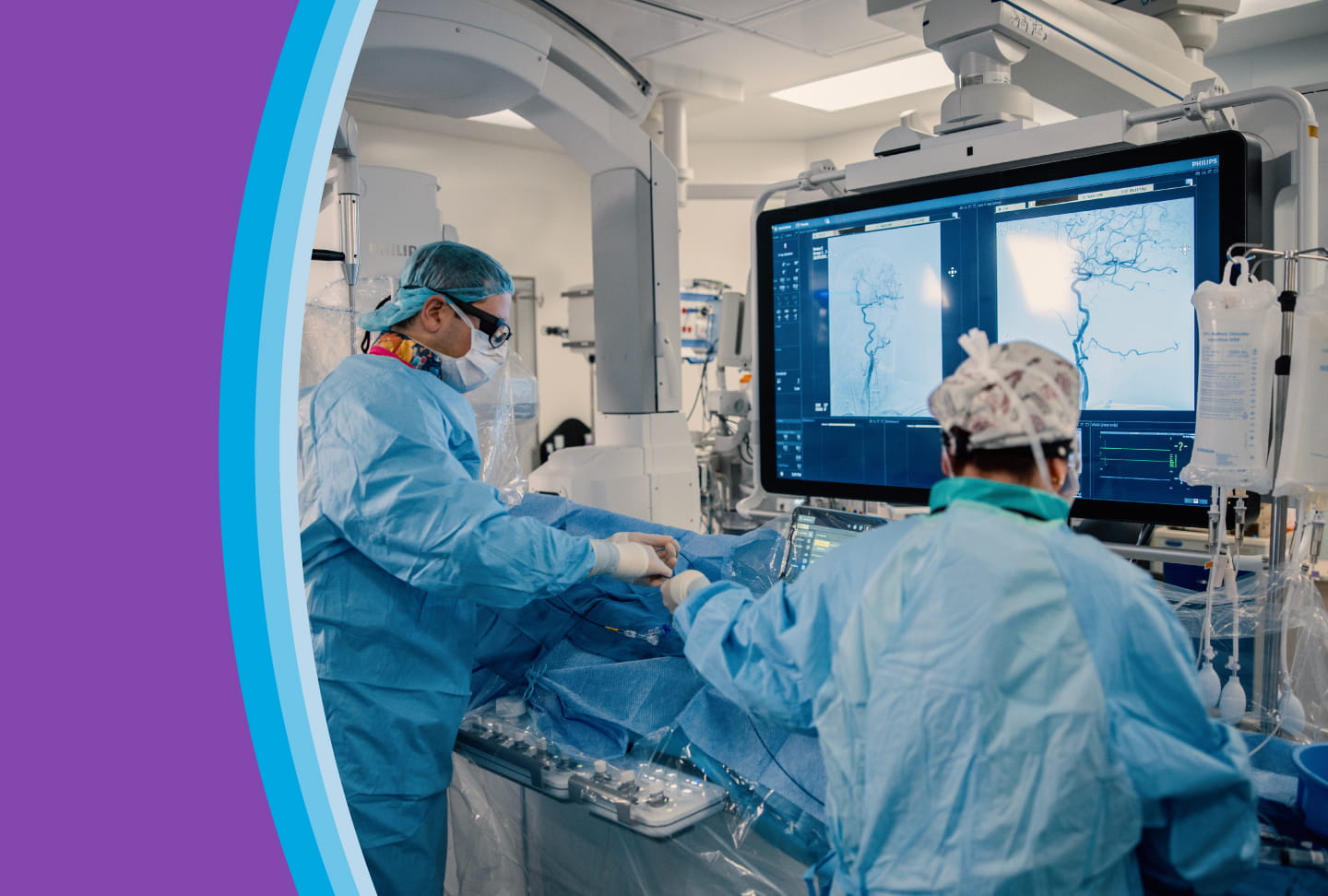
Sarcoidosis is very common in the Southeast, and that is one of the reasons Weintraub and his colleagues have established the Sarcoidosis Clinic at Wellstar MCG Health. Not only is the disease very serious with potentially life-threatening consequences and can be difficult to diagnose, but a diagnosis also typically requires advanced imaging capabilities that aren’t always available—especially in smaller communities.

“So we felt that here at Wellstar MCG Health, we were in exactly the right place and have the right people and resources to bring together to form this clinic so that we can serve the region,” Weintraub said.

When a patient comes to the clinic, they see a cardiologist, a pulmonologist and a rheumatologist who all have expertise in sarcoidosis. The cardiologist and pulmonologist investigate problems with the heart and lungs, and the rheumatologist investigates problems with the joints (another common site for the disease). The rheumatologist can also initiate medications that help suppress the immune system, which is an important part of treatment. The team will refer the patient to an ophthalmologist or dermatologist if eye or skin involvement is suspected. Each patient also receives follow-up care to ensure that the inflammation is controlled and medications are tightly monitored.

“The patient can come to one clinic and see three different physicians who all share their expertise and come up with the best plan for diagnosis, treatment and follow-up,” Weintraub said.

George credits Weintraub and the rest of her care team for her ability to continue doing the things she enjoys, although in a more limited capacity. She travels with her husband, cares for her granddaughters and stays active in her church through careful management of her symptoms.

“And I can share my story,” she said. “It’s not a death sentence, by any stretch of the imagination. You just have go to about things in a little different way.”

Wellstar MCG Health recently joined 42 other institutions as a member of the Foundation for Sarcoidosis Research Global Sarcoidosis Clinic Alliance.

Keep reading
Published on: November 20, 2023
Illustration depicting ECMO treatment process

Unique Challenges for ECMO in this Pandemic

Dr. Asif Saberi

By Dr. Asif Saberi, Medical Director of Critical Care and ECMO at Wellstar Kennestone Regional Medical Center & Associate Professor of Medicine at Medical College of Georgia at Augusta State University

This wave of the pandemic is unique. We have learned a lot about COVID-19 as a disease, and we have more therapeutic options today than we did in the spring and summer of 2020. But the disease continues to humble us with its tenacity and increased deadliness with each new iteration or surge, and now with its onslaught on the young and the healthy, it is hitting us where it hurts the most.

As a system, we continue to struggle with limited human resources. There are not as many healthcare workers as we need and the steadfast warriors who have stayed at their posts through about 18 months of the pandemic are weary and burnout is high.

This is an important rate-limiting step in our ability to provide one specific therapy, viz., ECMO, which, for a significant number of young people in the extreme manifestation of the disease, is possibly the difference between life and death. At my institution, the phones have not stopped ringing and we maintain a long list of patients who need ECMO. The most heart-wrenching task for us is the daily sorting of our list, moving someone down and eventually off the list as their likelihood of benefit from ECMO and ultimately survival recedes with time.

This is a call to my colleagues in ECMO. Physicians, ECMO specialists, perfusionists, ethicists, and thinkers. As a breed, we are constantly thinking about solutions that are not in any book. Can we solve this problem?

Keep reading
Published on: September 20, 2021
Neuro experts treating a stroke patient.

Wellstar Saves Lives with Advanced Stroke Care

No one expects to have a stroke—much less one that is rare or complicated to treat. However, these life-threatening medical events can happen to anyone, at any time.

That’s why Wellstar now offers the highest level of stroke care at three locations: Wellstar Kennestone Regional Medical Center, Wellstar MCG Health Medical Center and Wellstar North Fulton Medical Center. Here, patients have access to cutting-edge treatments, advanced technology and an expert neuro team, ready to treat even the most complex strokes.

Our primary stroke centers—including Wellstar Cobb, Wellstar Douglas, Wellstar Spalding and Wellstar West Georgia Medical Centers—are also poised to deliver high-quality stroke care where it’s needed most.

“Wellstar has nine hospitals that provide stroke care in our network,” said Dr. Rishi Gupta, director of stroke care at Wellstar.

Wellstar is the leading provider of stroke and aneurysm services in the state and performs one of the highest numbers of thrombectomy and aneurysm treatments in the country.

Life-saving care close to home

When a stroke threatens your life and brain, the neuro specialists at Wellstar have the expertise and experience to treat even the most complex cases.

At our Comprehensive Stroke Centers, the neuro teams use state-of-the-art therapies and technologies to care for strokes faster and more effectively. These include:

  • Neuro Intensive Care Units – These treatment zones have a multidisciplinary team of physicians, neurologists and nurses who specialize in neurocritical care.
  • Minimally-invasive treatment – Wellstar is one of only a few programs in the state that offer neuroendovascular treatment, such as thrombectomies. That means we can provide critical care to the brain without fully opening a patient’s skull.
  • Cutting-edge imaging – Neurointerventional biplane imaging shows detailed, 3D views of blood vessels in the brain. This technology can help neurosurgeons pinpoint clots and customize care in real-time.
  • Around-the-clock care – With artificial intelligence and constant EEG monitoring, our team can identify a stroke and provide care as quickly as possible.

The future of fighting strokes

With new neurotechnology, Wellstar is changing how strokes are diagnosed and treated locally and across the country.

“We’re now able to do things like telestroke, which allows remote physicians to provide the same level of care while in the emergency room of another hospital,” Dr. Gupta said. 

“With artificial intelligence, our team can look at images and assist physicians in rural communities. This technology can determine if a patient experiencing a stroke should seek a higher level of care in a metropolitan area.”

Remember, while Wellstar jumps into action at the first signs of a stroke, stopping one starts with you. Learn signs to spot a stroke or ways to prevent a stroke before it begins.


Keep reading
Published on: May 26, 2021
New Wellstar logo on purple background.

Wellstar Is Now Official Health System Partner of Kennesaw State Athletics

Wellstar Health System has entered into a multi-year sponsorship agreement with The Kennesaw State University Department of Athletics. Wellstar’s investment will provide significant support to KSU’s Department of Athletics and its student-athletes.

Wellstar and Kennesaw State University have a long and active history of collaboration. On Jan. 7, Wellstar also announced that the Wellstar Medical Group will operate the university’s Student Health Services. With a new focus on the health of KSU students and our community, Wellstar is proud to become the “Official Health System Partner of Kennesaw State Athletics.” Through this relationship, we will further Wellstar’s vision—to deliver world-class healthcare, and our mission to improve community health.

In addition to becoming the “Official Heath System Partner of Kennesaw State Athletics,” the sponsorship includes sponsorship signage at Fifth Third Bank Stadium, KSU Convocation Center, Bailey Park and Stillwell Stadium, advertising in game programs, during television and radio broadcasts and on KSUOwls.com, the Department of Athletics’ official website.

Keep reading
Published on: January 19, 2014

COMMUNITY CARE

Community Care
In the Community Health Highlights Events & Classes
For Business
Corporate Purchasing Community Health Needs Assesment
Give
Wellstar Foundation Donate Ways to Give Volunteer

ABOUT US

About Wellstar Diversity Equity Inclusion & Belonging Leadership Wellstar Board of Trustees Healthcare Innovation Safety First Commitment Wellstar Research Institute Latest News

CAREERS & EDUCATION

Careers at Wellstar Graduate Medical Education Pharmacy Residency

PATIENT RESOURCES

Pay Your Bill Accepted Insurance

HELP

Contact Us Hospital Transparency Information Price Transparency Policy and Privacy Information

MEDIA

Media Room

Copyright © 2026 Wellstar Health System. All Rights Reserved.

Wellstar does not discriminate on, exclude people or treat them differently on the basis of race, color, national origin, age, disability, sex, gender identity or expression or any other type of discrimination prohibited by law.

  • Internet Privacy Policy
Cookie Preferences

We use cookies for booking and general analytics. Learn more about or internet privacy policy.