













Hardy Family Automotive Pledges $1 Million to Support Expansion and Physician Training at Wellstar Paulding Medical Center
The Hardy family, founders of Hardy Family Automotive, announced a $1 million donation to support the expansion of
Wellstar Paulding Medical Center
and its new
Graduate Medical Education (GME)
residency program.
Guided by the message, “We love you and we need you,” the Hardy family has served Paulding County since 1978. That same spirit—neighbors caring for neighbors—is at the heart of care at Wellstar Paulding. The generous donation from the Hardy family will help Wellstar expand access to care close by for people in Paulding County.
“We are incredibly grateful to have a state-of-the-art hospital serving our friends and family right here in the heart of our community,” said Rene Hardy Gordon, dealer principal of Hardy Family Automotive. “The pride that our community feels for Wellstar Paulding is something we deeply share.”
As one of the fastest-growing counties in Georgia, Paulding County continues to experience rising demand for healthcare services driven by rapid growth, an aging population and increasing patient acuity. However, the pipeline of healthcare workers nationwide is not growing at the same pace. This investment in the health and well-being of Paulding County will help ensure families have access to the care they need for generations to come.
Keep reading
A $300 million investment in Paulding County
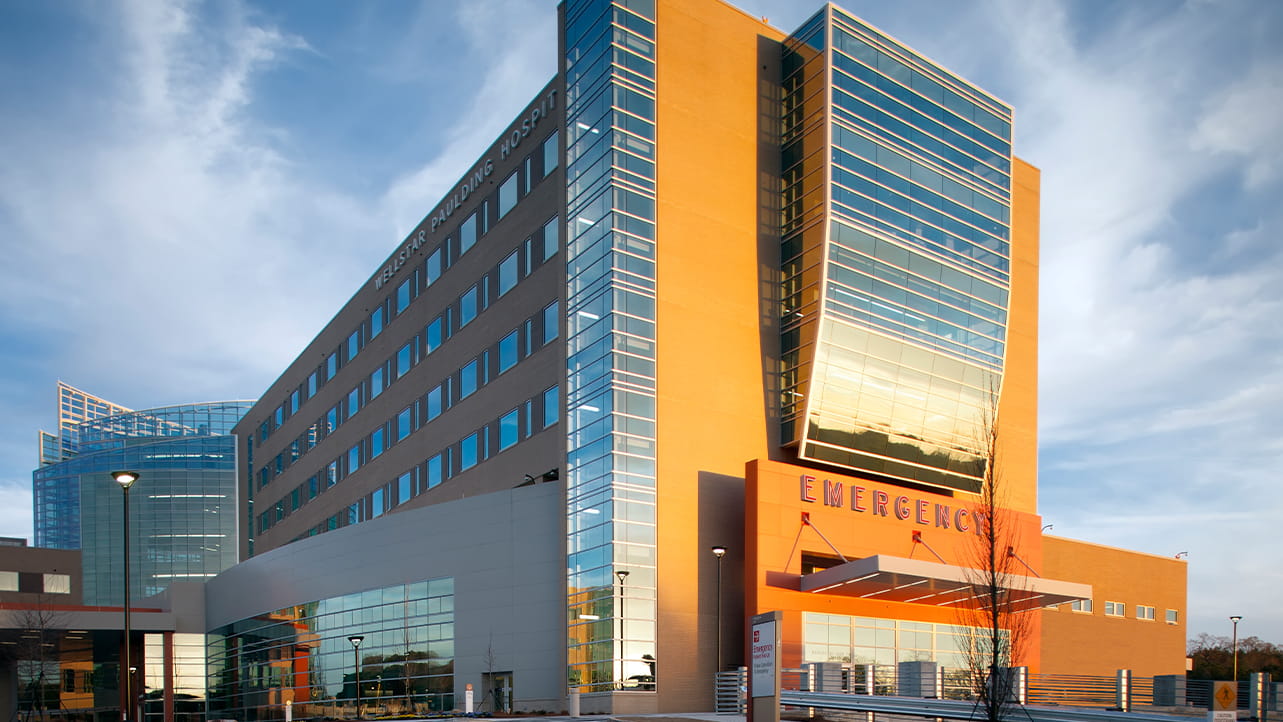
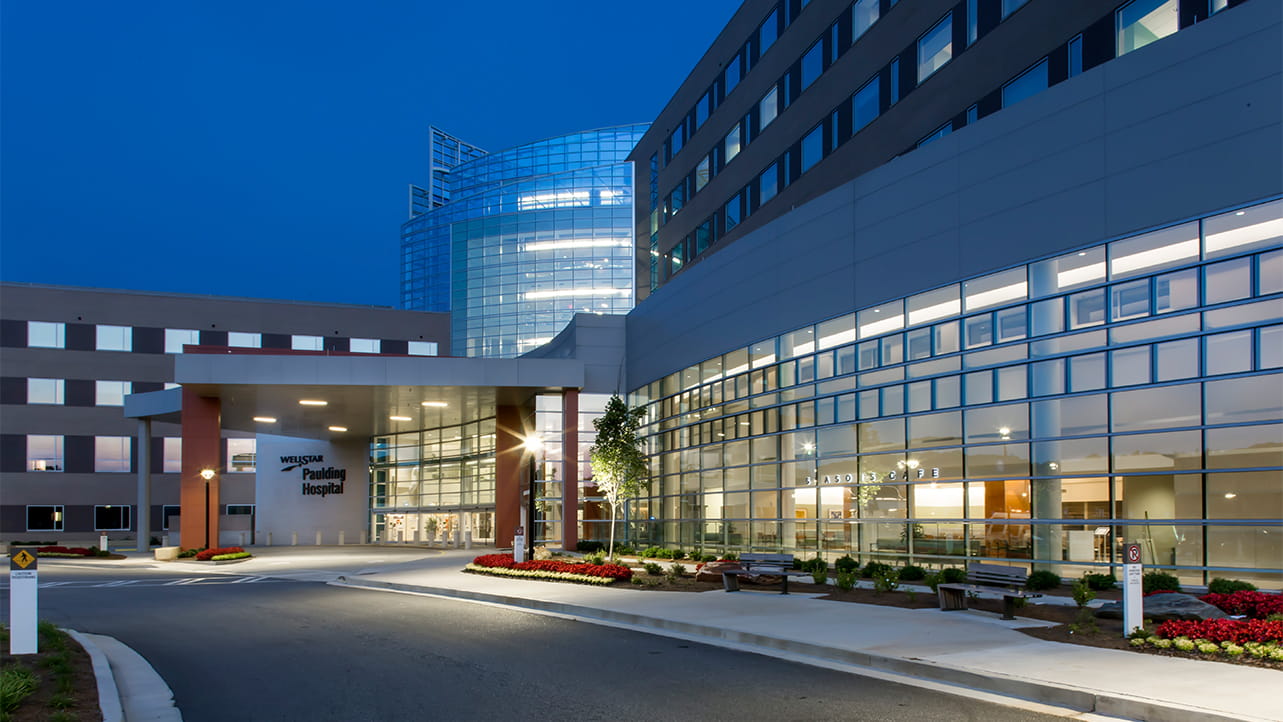
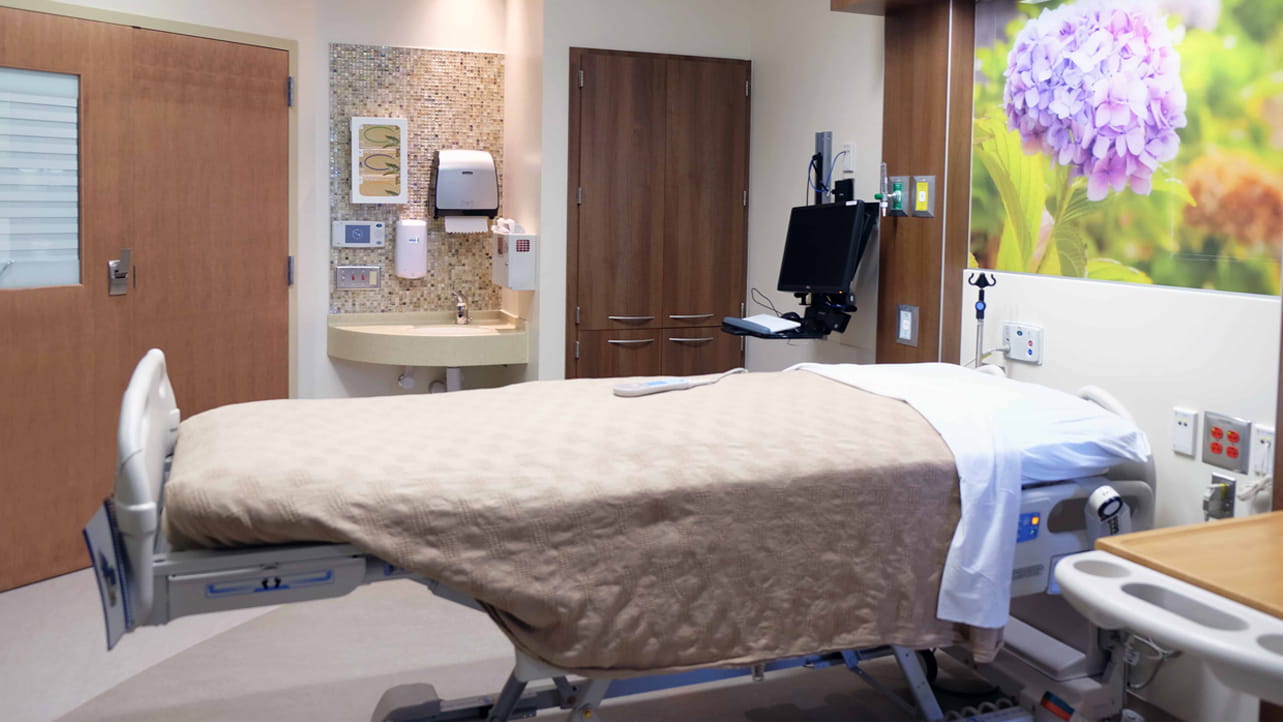
Wellstar Health System is investing more than $300 million to expand the Wellstar Paulding campus, including the construction of a seven-story hospital tower and a 467-space parking deck to improve access for patients and families. The first phase of the tower, expected to open November 2027, will add 56 beds—increasing the hospital’s current 112-bed capacity by 50%. The expansion will also enhance heart and vascular care services with an additional cath/procedure lab, 20 dedicated recovery spaces and two procedure rooms for advanced heart imaging such as transesophageal echocardiography. Imaging services will grow as well, with expanded CT, X-ray and nuclear medicine capabilities and two new ultrasound spaces. A second phase planned for fiscal year 2029 will add another 56 beds and additional procedural capacity. “Paulding County is home to so many families who deserve access to excellent care close to where they live,” said Sharon Robinson, vice president of the Wellstar Foundation. “The Hardy family’s investment helps us grow our physician training programs in a way that supports both today’s patients and the long-term health of this community.”Expanding the physician pipeline
In response to physician shortages—particularly in rural areas—Wellstar recently launched a GME residency program at Wellstar Paulding. The new program will create 30 physician positions focused on internal medicine with an emphasis on rural primary care. GME programs are one of the most effective strategies for strengthening physician pipelines, as communities that train physicians are more likely to retain them. Over the past decade, Wellstar has grown its GME program from 14 trainees in 2016 to nearly 300 today across its teaching hospitals. In partnership with Augusta University’s Medical College of Georgia, another 500 physicians are in training at Wellstar MCG Health Medical Center. With the addition of the Wellstar Paulding residency, Wellstar will soon support more than 860 physicians in training statewide. The Hardy family’s pledge will help the Wellstar Foundation and community partners raise an additional $3 million to complete the training spaces that will house the Wellstar Paulding residency program in the new tower.A hospital growing with its community
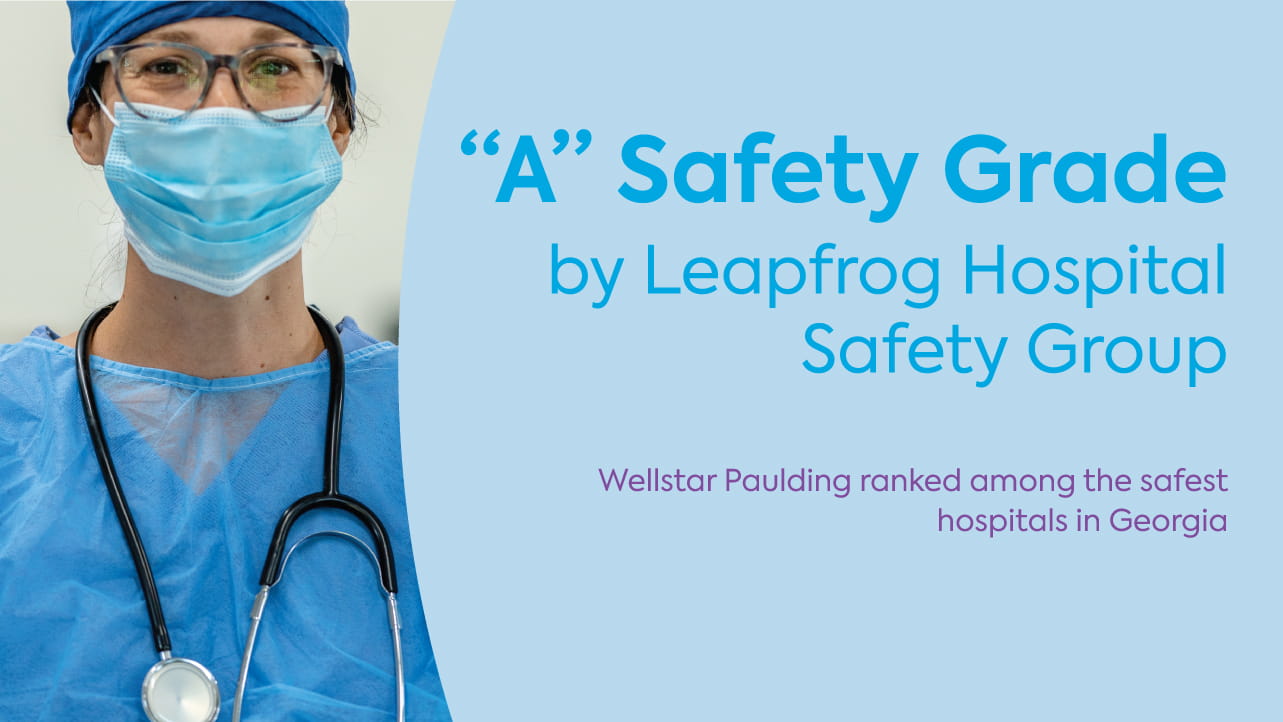
Wellstar Paulding employs approximately 1,900 team members and operates one of the busiest emergency departments in the region, with 40 adult and pediatric bays. The hospital has received numerous recognitions for quality and safety, including the Malcolm Baldrige National Quality Award, Magnet designation for nursing excellence, a Leapfrog “A” safety rating and a CMS 4-star quality rating. In recent years, Wellstar has expanded outpatient access across Paulding County by adding 69 exam rooms at seven practices in Hiram and Dallas, with an additional 46 exam rooms planned over the next three years. “Our parents, Charles and Jeannette Hardy, instilled in us the importance of caring for the community that has supported our family for generations,” said Gordon. “As Wellstar Paulding grows with the addition of the new tower and the launch of its GME program, we believe investing in local healthcare is one of the most meaningful ways we can give back.”
Published on: April 2026