Skip Navigation
Book Now! Find care near you Find care near you Find care near you
wellstar-logo
Wellstar Go Back
Go to MyChart

Questions? We can help!

Call (770) 956-STAR (7827)

Monday - Friday, 7 AM - 4:30 PM

Contact Us
For Patients & Families For the Community For Providers About Us Careers
  • Start Your Care

  • Find a Doctor
  • Find a Location
  • Our Services
  • Virtual Visits
  • Planning

  • Accepted Insurance
  • Hospital Payment Planning
  • Financial Assistance
  • Pricing Information
  • Before Your Visit

  • Sign Up for MyChart
  • Visitation Guidelines
  • While You're Here

  • Support & Entertainment
  • Join an Event
  • After Your Visit

  • Pay Your Bill
  • Get Medical Records
  • Contact us
  • COVID-19 Support

  • COVID-19 Information
  • Vaccines
  • Testing Information
  • Foundation Relief
  • Community Care

  • In the Community
  • Health Highlights
  • Community Health Needs Assessment
  • Latest News
  • Center for Health Equity
  • Wellstar Find Help
  • Events & Programs

  • Events Calendar
  • On-Demand Classes
  • Support Groups
  • Give

  • Wellstar Foundation
  • Donate
  • Ways to Give
  • Thank a Caregiver
  • West Georgia
    Health Foundation
  • Volunteer

  • PeopleCare Advisory Council
  • For Adults
  • Care

  • Transfer a Patient
  • Cures Act
  • Refer a Patient
  • Lab Test Directory
  • Request to Conduct Research
  • Connect

  • Physician Relations
  • Request Imaging Services
  • Wellstar Clinical Partners
  • Wellstar Medical Group
  • Mayo Clinic Care Network
  • Medical Staff Services
  • Provider Recruitment
  • Log In

  • EpicCare Link
  • Lawson Connect
  • MyID Password Reset
  • Citrix Access
  • Leadership

  • Authority Board
  • Board Of Trustees
  • Foundation Board
  • Regional Health Boards
  • Executive Leadership
  • Awards, Recognition & Safety

  • Accreditation & Certifications
  • Awards & Recognition
  • Safety First Program
  • Nursing
  • Careers at Wellstar

  • Apply now
  • Upcoming virtual events
  • Why Wellstar?
  • Nursing Careers

  • Nursing (Direct Care)
  • Nursing Leadership
  • Nursing (Non-bedside)
  • Nursing Support
  • Physician, APP & Clinical Careers

  • Advanced Practice Providers (APPs)
  • Allied Health Professionals
  • Homecare & Hospice
  • Physicians
  • Support Team Careers

  • Administrative & Clerical
  • Coding, Compliance & HIM Systems
  • Facility, Environmental & Nutrition/Food Services
  • Information Technology & Systems
  • For Patients & Families
  • For the Community
  • For Providers
  • About Us
  • Careers
  • Search Search Search
  • MyChart MyChart MyChart

Start Your Care

Find a DoctorFind a LocationOur ServicesVirtual Visits

Planning

Accepted InsuranceHospital Payment PlanningFinancial AssistancePricing Information

Before Your Visit

Sign Up for MyChartVisitation Guidelines

While You're Here

Support & EntertainmentJoin an Event

After Your Visit

Pay Your BillGet Medical RecordsContact us

COVID-19 Support

COVID-19 InformationVaccinesTesting InformationFoundation Relief

Community Care

In the CommunityHealth HighlightsCommunity Health Needs AssessmentLatest NewsCenter for Health EquityWellstar Find Help

Events & Programs

Events CalendarOn-Demand ClassesSupport Groups

Give

Wellstar FoundationDonateWays to GiveThank a CaregiverWest Georgia
Health Foundation

Volunteer

PeopleCare Advisory CouncilFor Adults

Care

Transfer a PatientCures ActRefer a PatientLab Test DirectoryRequest to Conduct Research

Connect

Physician RelationsRequest Imaging ServicesWellstar Clinical PartnersWellstar Medical GroupMayo Clinic Care NetworkMedical Staff ServicesProvider Recruitment

Log In

EpicCare LinkLawson ConnectMyID Password ResetCitrix Access
About Wellstar

Our patients are the center of everything we do. We're nationally ranked and locally recognized for our high-quality care, inclusive culture, exceptional doctors and caregivers, and one of the largest and most integrated healthcare systems in Georgia.

About Us

Leadership

Authority BoardBoard Of TrusteesFoundation BoardRegional Health BoardsExecutive Leadership

Awards, Recognition & Safety

Accreditation & CertificationsAwards & RecognitionSafety First ProgramNursing

Careers at Wellstar

Apply nowUpcoming virtual eventsWhy Wellstar?

Nursing Careers

Nursing (Direct Care)Nursing LeadershipNursing (Non-bedside)Nursing Support

Physician, APP & Clinical Careers

Advanced Practice Providers (APPs)Allied Health ProfessionalsHomecare & HospicePhysicians

Support Team Careers

Administrative & ClericalCoding, Compliance & HIM SystemsFacility, Environmental & Nutrition/Food ServicesInformation Technology & Systems
Questions? We can help!

Call (770) 956-STAR (7827)

Monday - Friday, 7 AM - 4:30 PM

Contact Us
Close
  • Schedule With This Provider
  • Schedule At This Location
  • Schedule With This Provider
  • Schedule At This Location
  • Urgent Care
  • Primary Care
  • Virtual Care
  • Emergency Care
Close Close Close Book Now Menu
  • Schedule With This Provider
  • Schedule At This Location
  • Schedule With This Provider
  • Schedule At This Location
  • Urgent Care
  • Primary Care
  • Virtual Care
  • Emergency Care

Introducing

Wellstar Virtual Care

Access Wellstar healthcare providers
wherever you are.

Get started

Warning Warning Our "Book Now" feature should not be used for life threatening conditions such as heart attack, severe injury, poisoning, chest pain, or stroke. If you are experiencing such conditions, STOP and CALL 911 IMMEDIATELY or visit your nearest Emergency Department.

I Understand
  • Home
  • Articles
  • Men, Make Health Your Habit
Article Category: Highlights

Men, Make Health Your Habit

Published on June 02, 2025

Last updated 12:03 PM June 17, 2026

Provider taking patient's blood pressure

If you’re a sports fan, you probably know your stats.

Like how NBA Hall of Famer Dominique Wilkins remains undefeated in Atlanta Hawks history for points (23,292) and ranks second in team history in steals (1,245). But there are a few, even more important numbers you should know off the top of your head: your health stats.

Do you know your blood pressure? What about your low-density lipoproteins? Maybe you can clock an eight-minute mile or bench press 250 pounds, but do you know your hemoglobin A1C?

Men are less likely than women to see their healthcare team once a year. Wellstar Primary Care Physician Dr. Tameka Byrd said it’s crucial men stay up to date on preventative care and essential screenings.

“Yearly physicals can catch illnesses before they start and prevent health issues from getting worse,” Dr. Byrd said. “Your primary care provider will tailor a screening plan depending on your age, health history and other factors so you can proactive with your wellness.”

Getting and staying healthy doesn’t just help us feel better—it ensures we can be there for those we care about too.

“It’s also for loved ones—spouses, partners, children and parents. We’re not only here for us. We’re here for our friends and family,” said Wellstar Urologist Dr. Scott Miller. “The best thing you can do for those you care for is to take care of yourself.”

Stats all men should know to stay in the game include:

Body mass index (BMI)

BMI determines whether you have a healthy body weight and categorizes obesity levels. A recommended BMI range is between 18.5 to 25.

Low-density (LDL) and high-density lipoprotein (HDL) cholesterol

This blood test measures cholesterol levels and should be part of your wellness routine starting in your 20s. For men 20 or older, healthy LDL levels should be under 100 milligrams per deciliter and aim to keep your HDL above 40.

Blood pressure

Your clinician will take your blood pressure during your regular visit, but you can also find blood pressure checking stations at many pharmacies or buy your own device to use at home. Blood pressure under 120/80 is considered ideal.

Hemoglobin A1C 

This metric measures whether or not you have healthy blood sugar. If you are diabetic, you should check your A1C every three months.

Prostate-specific antigen test (PSA)

Men who are 50 or older should discuss prostate cancer testing with their clinician, according to the American Cancer Society. Men at a higher risk, including Black men and those who had a brother or father diagnosed with cancer before age 65, should ask their care team about testing at age 45. Patients who had more than one close relative with prostate cancer at an early age should have this conversation with their clinician when they’re 40. The Wellstar Prostate Health Program evaluates and treats people with a higher risk for prostate conditions. 

An abnormal PSA result could be an indication of prostate cancer. For men in their 40s and 50s, a PSA score higher than 2.5 nanograms per milliliter is considered abnormal, and men in their 60s should have a PSA score of 4.0 nanograms per milliliter or less.

Along with staying up to date on those health stats, men should also be getting regular colorectal cancer screenings. The American Cancer Society recommends that people at average risk for colorectal cancer screening get checked regularly beginning at age 45. Screenings should continue through age 75, and after that patients can discuss their personal risk and history with their clinician.

Your Wellstar primary care team will partner with you in creating a personalized health plan. Find a clinician near you and book online.


Dominique Wilkins Wants You to Know Your Stats

Tags

Scott David Miller Tameka Deanne Byrd Primary Care
Mens Health
Related Articles
Woman chopping vegetables

Highlights

How Bariatric Surgery Can Improve Type 2 Diabetes—Even Before Significant Weight Loss

The Weekly Check-up Atlanta


People who seek medical help for weight management are used to hearing that results take time. Imagine the surprise of some patients with type 2 diabetes when their blood sugar improves meaningfully within days or weeks of bariatric surgery.

It happens—and it’s a dramatic sign of the benefits bariatric surgery holds for many patients, said Dr. Fritz Jean-Pierre, a board-certified bariatric surgeon and national leader in minimally invasive and robotic techniques for the treatment of obesity and metabolic disorders.

When changes in blood sugar following bariatric and metabolic surgery were first observed in the 1990s, the reason was a mystery. But today, medical experts know more about the hormones that regulate hunger and insulin production. They also know more about how bariatric surgery affects the same hormones.

Understanding type 2 diabetes: It starts with insulin resistance

Insulin is a hormone that regulates blood sugar. Insulin resistance happens when muscle, fat and liver cells fail to respond to insulin, causing the pancreas to overproduce the hormone. Eventually, blood sugar rises. Patients may develop prediabetes or type 2 diabetes.

Another hormone that affects weight is GLP-1. It’s naturally produced in the gut after eating. GLP-1 helps regulate blood sugar by:

  • Stimulating insulin
  • Suppressing glucagon, a hormone the pancreas produces that raises blood glucose levels
  • Slowing digestion

Many recognize GLP-1 today because of the class of weight-management drugs such as Ozempic, Zepbound and Wegovy. These medications mimic and amplify the effects of the GLP-1 hormone.

How bariatric surgery affects hunger hormones and improves health

Several types of bariatric surgery are performed at Wellstar. While each procedure alters the digestive system differently, all appear to influence the hormones that regulate hunger and blood sugar.

Hormones, such as GLP-1, that promote fullness and insulin sensitivity increase after surgery. The liver produces less excess glucose, and the body becomes more sensitive to insulin. Other hormones—like ghrelin, which signals the brain that the stomach is empty—decrease after surgery.

“We've known since the early 2000s that after bariatric surgery, you have a boost in GLP-1 hormone production,” said Dr. Jean-Pierre. “Patients notice improvements in their blood sugars and that feeling of fullness.”

As a result of hormonal changes triggered by surgery, patients who are not yet on insulin replacement therapy may enter diabetes remission relatively soon, according to Dr. Jean-Pierre.

“The patient may have lost only 5 or 10 pounds yet their blood sugars have become normalized,” he said. “Their diabetes is completely controlled without medication after surgery. That’s the best-case scenario.”

For other patients, improved blood sugar may take longer. Still, clinical trials show that bariatric surgery leads to diabetes remission in 33% to 90% of individuals at one year after bariatric and metabolic surgery.1

“These surgeries are not just changing or shrinking the patient’s stomach,” Dr. Jean-Pierre said. “We're changing their metabolisms in a way that will help improve a lot of related health conditions like high blood pressure, abnormal cholesterol and fatty liver disease.”

Long-term health benefits of bariatric surgery

There are many health risks of type 2 diabetes and obesity. Those include high blood pressure, high cholesterol, sleep apnea and joint pain. Unmanaged diabetes can lead to damage to nerves, kidneys, eyes and heart. Stroke risk is also higher in people with diabetes.

Physicians have more treatment options for obesity than ever, including surgery, medications and lifestyle changes. Wellstar Center of Best Health is a comprehensive weight management clinic with clinicians, dietitians, psychologists and exercise physiologists who work collaboratively with surgeons.

Together, they learn about each patient’s situation and develop a personalized treatment plan with the best chance of success. Some patients may benefit from both surgery and medication.

“Obesity is a chronic, relapsing, multi-variable disease process that we have to approach from different angles in order to best treat it,” said Dr. Jean-Pierre. “You must approach it comprehensively, including nutrition and exercise. Medication itself is not a magic bullet. Surgery is not a magic bullet.”

Wellstar’s weight loss teams support patients throughout their healthcare journey. The goal is to see patients reach their goals and return for follow-up care in even better health.

“It’s amazing when all of these treatment options fire in the right direction and we see the health improvements that come along with surgery,” such as:

  • Better diabetes control
  • Lower blood pressure
  • Less joint inflammation and pain
  • End of the need to use a CPAP for sleep apnea

“Most surgeons fix something, then you don't see your patient again. With bariatric surgery, it's a very different relationship,” Dr. Jean-Pierre said. “We see our patients for a long period of time afterward. We get to share in their successes and see their accomplishments as they lose that weight.”

Learn more about obesity medicine at Wellstar and make an appointment to see an obesity specialist at one of our locations.

1 Affinati, Alison H et al. “Bariatric Surgery in the Treatment of Type 2 Diabetes.” Current diabetes reports vol. 19,12 156. 4 Dec. 2019, doi:10.1007/s11892-019-1269-4

Keep reading
Healthcare provider consults with her young adult patient

Highlights

A Healthy Handoff: Transitioning Teens to Adult Primary Care

For many families, care teams are a consistent part of a child’s life—supporting them from early childhood through adolescence. But as teens step into adulthood, one important transition can be easy to miss: moving from a pediatrician to an adult primary care provider.

This “handoff” is more than a change in doctors. It’s a key step in helping teens take ownership of their health and build habits that last a lifetime.

Timing the transition

“The transition usually happens between ages 17 and 19,” said Dr. Nicole Carter, a Wellstar Children’s of Georgia pediatrician. “The decision is primarily influenced by the teen and their family. Some young adults choose to move to an adult primary care provider sooner because they feel uncomfortable being in a setting with younger children.”

As one of Georgia’s largest and most integrated health systems, Wellstar offers an expansive network of primary care providers across the state—making it easier for families to find a convenient location and continue care as their needs change.

Why does this transition matter? For young adults navigating a new stage of life, healthcare can quickly fall down the priority list—especially when they feel healthy. Staying connected to care is essential.

“It's important to continue to emphasize preventive healthcare and yearly well checks,” Dr. Carter said. “Young adults also need a primary care physician they can turn to with questions about their mental and physical health.”

Gaining independence

One of the biggest adjustments during this handoff is who takes the lead.

“In adult care, the physician speaks directly to their patient. A parent can still be present or involved, but the young adult becomes the primary decision-maker,” Dr. Carter said.

That shift doesn’t happen overnight. Preparing early helps teens feel more confident managing their health, including having time alone with their provider to ask questions and speak openly.

Families can support their teen’s independence by creating space for honest conversations at home too.

“Important discussions include topics like sexuality and vaccines. It’s essential that teens and young adults are aware of their options,” said Dr. Carter.

As teens begin to play a more active role, parents and caregivers naturally step back.

“Caregivers should start allowing teens to answer questions asked by their provider and take the lead in any discussions, only filling in information when needed,” Dr. Carter said.

Avoiding gaps in care

Without a clear plan, it’s easy for care to fall through the cracks during this transition, especially around milestones like graduation.

“Before transitioning care, make sure any medications are refilled for three to six months and schedule a new patient appointment with an adult provider as soon as possible,” Dr. Carter said.

Establishing care early helps ensure there’s no disruption and gives teens a provider they can rely on as their needs evolve.

Building habits for life

The move to adult primary care is also a chance to reinforce habits that support long-term health.

With guidance from care teams and support from parents and caregivers, teens can stay on top of annual checkups, ask questions and take an active role in their care. Families can also help by building everyday skills, from understanding medical history to managing prescriptions.

Staying within a connected system like Wellstar can help simplify that process—making it easier to schedule appointments, access records and keep care on track as young adults take on more responsibility.

These early habits make a lasting difference. Together, we can help young adults move into their next phase with confidence and a stronger sense of ownership over their health.

Learn more about transitioning to adult primary care or find a provider near you.

Keep reading
Photo of location

Highlights

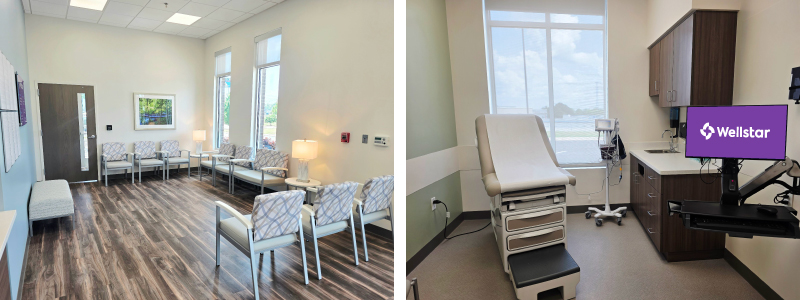
Wellstar Opens New Locations in Powder Springs

To serve our community’s growing healthcare needs, Wellstar has opened new urgent care and primary care locations in Powder Springs.

Urgent Care 

If you’re dealing with a minor injury or illness or need care after your physician’s regular office hours, going to urgent care is often the right choice. Wellstar Urgent Care centers provide quick, convenient care for non-emergency medical conditions such as coughs, colds, sprains, broken bones and minor bites, burns and cuts. Visit our new location at:

Powder Springs
1064 Richard D. Sailors Parkway

Check in at this location 

Primary Care

Primary care is ongoing, comprehensive care and preventative medicine that helps you live a full, healthy life. Services include wellness exams, vaccinations, treatment for acute illnesses like flu and management of chronic conditions such as diabetes. Wellstar Primary Care treats patients 10 and older. Visit our new location at:

Powder Springs
1064 Richard D. Sailors Parkway

Schedule at this location


Photos of lobby and exam room

Keep reading
Back to Top
Branding illustration
Wellstar Logo
More than healthcare. PeopleCare.
Branding illustration
For Job Seekers & Team
Careers Diversity Equity Inclusion and Belonging Onboarding
For Students
Students Portal
Graduate Medical Education
Medical Residency Pharmacy Residency
For Business
Corporate Purchasing
For the Media
Media Room Community Health Needs Assessment
Help
Contact Us Pay Your Bill Policy & Privacy Information Hospital Transparency Information Price Transparency
For Job Seekers & Team
Careers Diversity Equity Inclusion and Belonging Onboarding
For Students
Students Portal

Graduate Medical Education
Medical Residency Pharmacy Residency
For Business
Corporate Purchasing
For the Media
Media Room Community Health Needs Assessment
Help
Contact Us Pay Your Bill Policy & Privacy Information Hospital Transparency Information Price Transparency

Copyright © 2026 Wellstar Health System. All Rights Reserved.

Wellstar does not discriminate on, exclude people or treat them differently on the basis of race, color, national origin, age, disability, sex, gender identity or expression or any other type of discrimination prohibited by law.

Cookie Preferences

We use cookies for booking and general analytics. Learn more about or internet privacy policy.