SKIP NAVIGATION
MyChart Search
Wellstar Go Back
MyChart
  • Find a Doctor
  • Locations
  • Medical Services
    Popular Services
    • Emergency Care
    • Urgent Care
    • Virtual Care
    • Primary Care
    • Women's Health
    • Pediatric Care
    • Cancer Care
    • Heart Care
    • Neuro Care
    • Orthopedics
    • View All Medical Services
    Expanded Services
    • Lab Services
    • Imaging
    • ENT
    • Pulmonary
    • Gastroenterology
    • Urology
    • Physical Therapy
    • Behavioral Health
    • Pharmacies
    • View All Medical Services
    For Providers
    • Refer a Patient
    • Transfer a Patient
    • Physician Relations
    • Wellstar Clinical Partners
    • Provider Resources
  • Patient Resources
    Patient Portal
    • MyChart Login
    • Sign-Up for MyChart
    • Get Medical Records
    Visiting
    • Visitation Guidelines
    • Patient Guides
    • Find My Way
    Billing & Insurance
    • Accepted Insurance
    • Pay Your Bill
    • Financial Assistance
  • Wellstar for You
    Community
    • Classes and Events
    • Center for Health Equity
    • Support Groups
    • Community Outreach
    • Wellstar Find Help
    • Translation Services
    • Volunteer Opportunities
    Health Content
    • Articles
    • PeopleCare
  • Find a Doctor
  • Locations
  • Medical Services
  • Patient Resources
  • Wellstar for You

Popular Services

Emergency Care Urgent Care Virtual Care Primary Care Women's Health
Pediatric Care Cancer Care Heart Care Neuro Care Orthopedics

Expanded Services

Lab Services Imaging ENT Pulmonary Gastroenterology
Urology Physical Therapy Behavioral Health Pharmacies View All Medical Services

For Providers

Refer a Patient Transfer a Patient Physician Relations Wellstar Clinical Partners Provider Resources

Patient Portal

MyChart Login Sign-Up for MyChart Get Medical Records

Visiting

Visitation Guidelines Patient Guides Find My Way

Billing & Insurance

Accepted Insurance Pay Your Bill Financial Assistance

Community

Classes and Events Center for Health Equity Support Groups Community Outreach
Wellstar Find Help Translation Services Volunteer Opportunities

Health Content

Articles PeopleCare
  • Home
  • Articles
  • De'saCare
Article Category: PeopleCare

De'saCare

A lesson in acting fast: An assistant principal's swift stroke recovery

Published on August 08, 2025

Last updated 02:11 PM August 08, 2025

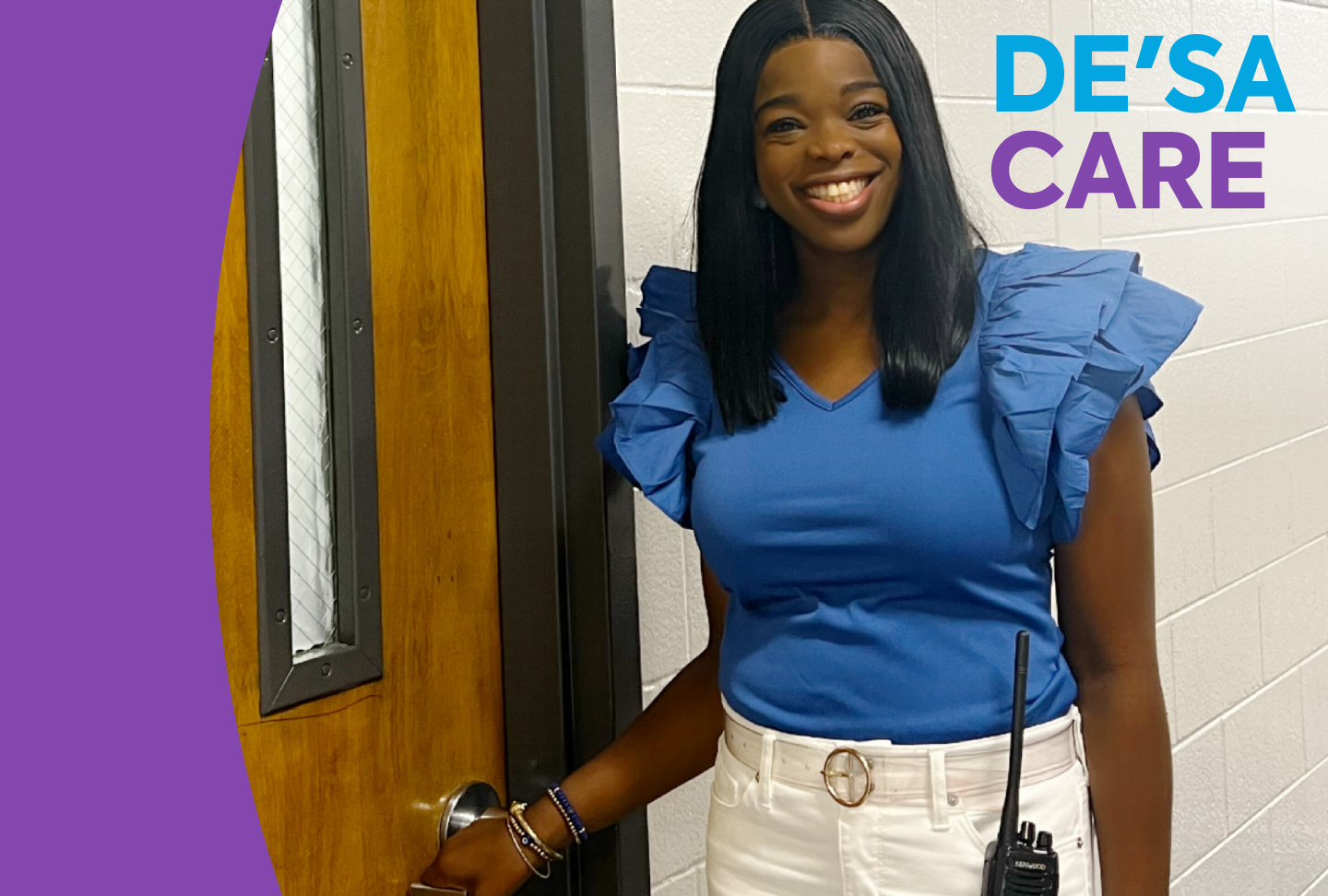
Back to school after receiving highly coordinated stroke care at Wellstar, Assistant Principal De'sa Fuller, enters her office to start a new school year.

De'sa Fuller, an assistant principal in West Georgia, greeted teachers in the hallway like every other morning. But her day turned upside down when she lost her balance and couldn’t rise from the floor. Thanks to the immediate actions of those around her—from the teacher who called 911 to emergency medical services and her Wellstar team—De’sa recovered and is back to school. Her story is a powerful testament to how recognizing symptoms of a stroke, calling for help right away and having highly coordinated care can lead to remarkable outcomes.

Getting help when things go wrong

At 34, De'sa Fuller was living a vibrant life. She was a 6th grade assistant principal at Gardner Middle School in LaGrange. She loved her job, enjoyed traveling and was saving up to buy her first home. April 15 started out like any other day. Smoothie in hand, she greeted teachers in the hallway as she made her way to her office.

“I felt a little off,” De'sa recalled. “I just thought I was going too fast—I didn’t put much thought into it.” Then she fell. A concerned teacher asked if she was okay. De'sa, thinking she had simply tripped, said “Yes.” Her vision blurred as she tried to get up and she fell again. “I said, ‘I am not okay.’”

What began as a typical morning turned into a race against time. One teacher's quick thinking to call 911 activated a rapid chain of events that would save De’sa from permanent disability.

The critical first minutes

“The ambulance got there quickly. It was like they were around the corner,” De'sa remembered. 

“We got a call that EMS was bringing in a female who had been found on the floor at work, experiencing right-sided weakness,” explained Ginger Truitt, stroke coordinator at Wellstar West Georgia Medical Center, a Primary Stroke Center. The EMS professionals also reported confusion, headache and vomiting. “Those symptoms suggest stroke. We activated quickly.”

As a result, Dr. Reginald “Ashley” Orr, an emergency medicine physician, was ready for her arrival. 

“I was worried about an acute stroke by their description of her symptoms,” he remembered. “I evaluated her on the stretcher when she came through the door.”

A Code FAST was called with the goal of speeding up the time to start treatment to improve De’sa’s chances for better outcomes. They skipped the emergency department and took her for a CT scan. Then she was seen by the onsite neurologist, and the team quickly administered tenectoplase—or TNK—a clot-busting drug.

“Her symptoms were markedly improved,” Dr. Orr noted. “She was more awake.”

However, the CT angiogram showed an MCA M1 occlusion—a blockage in a major blood vessel in the brain. While she had shown some improvement, it wasn’t enough. De'sa needed a thrombectomy, a procedure to remove the clot and restore vital blood flow to the brain.


A seamless transfer

De’sa needed an immediate transfer to a thrombectomy center, and there are only a few in the state of Georgia. After a quick virtual consult with Dr. Ovais Inamullah, a telestroke neurologist at Wellstar Kennestone Regional Medical Center—a Comprehensive Stroke Center—she was accepted for transfer. The Marietta-based Neuro Care program performs one of the highest volumes of thrombectomy and aneurysm treatments in the country.

Because time is of the essence with successful stroke treatment, transport by air is preferred. However, weather conditions threatened the flight’s safety. The ground EMS crew dutifully stood by in case they needed to drive De’sa. 

Mercifully, the clouds lifted after a few tense moments and she began her trip to Wellstar Kennestone via helicopter.

“When we have this type of emergency, our goal is to get patients out the door for a thrombectomy in 90 minutes,” Ginger said. “In De’sa’s case, we did it in 102 minutes, which was still impressive because there was cloud cover and we weren’t sure at first if she would be able to fly.”

Upon arrival, De'sa was taken directly to the angio suite where Dr. Ahmad Khaldi, a Wellstar neurosurgeon, and his team were waiting. “Every minute counts,” he emphasized.

A thrombectomy is a procedure that treats a stroke without open brain surgery. A tiny catheter is threaded through a blood vessel in the arm or leg to the brain to remove a clot, restoring blood flow to help prevent permanent disability or even death.

“We finished surgery by 11:25 AM,” Dr. Khaldi said—just 20 minutes after the procedure began.
If you see these problems, call 911 right away. Your loved one can have the potential to reverse their symptoms.

- Dr. Ahmad Khaldi

Wellstar Neurosurgeon

Recovery made possible by fast action

Only two days later, De'sa was discharged home and is thriving today, with minimal effects from the stroke.

“I am thankful,” De'sa smiled.

Her recovery was possible because of the fast, tightly coordinated action of everyone around her, including her Wellstar care team, who was activated and ready to act quickly at every step of the process. 

“Multiple individuals helped drive the process,” said Dr. Khaldi. “It started with the people at the school who called 911. It’s a system of people working together in concert to get this patient care.”

He added that her story is a powerful reminder that "time is brain" when it comes to stroke. 

Unfortunately, everything doesn’t go right for every person who has a stroke—especially for those who don’t get help right away. The longer the brain is cut off from its blood supply, the more brain tissue will die and cannot be saved—no matter how excellent the medical team is at their work.

“If you see these problems, call 911 right away,” Dr. Khaldi emphasized. “Your loved one can have the potential to reverse their symptoms.”

Dr. Orr agreed, saying, “The biggest thing is don’t question your symptoms. If you’re having something that concerns you, go to the emergency department. Call 911. Don’t wait at home to see if your symptoms improve.”

Looking forward

A month later, De'sa returned to Wellstar West Georgia, where she met the EMS crew who transported her and several members of her hospital emergency care team.

“Everybody was emotional seeing the great improvement she had,” Ginger recalled.
Dr. Orr added, “It was so incredible! Ginger and I were tearful.”

As to why she had a stroke at such a young age? It was likely related to her history of lupus, which puts people at greater risk for stroke.

De’sa went to physical therapy to help regain strength in her fingers. She has also made lifestyle changes to reduce her future risk for stroke.

“Being so young and having a stroke has really taught me to appreciate life even more than I already did,” De'sa shared. “I’m changing my eating habits and making sure I do not let home or work stress me out. I’m slowing down more and smelling the flowers sometimes instead of constantly going and going.”

Only three months after her stroke, De’sa did keep going and going, but to a place where she could unwind—the Caribbean. She made new memories celebrating Carnival for the first time. Then she returned to Georgia as vibrant as ever—and ready to go back to school.


BEFAST—A way to remember stroke symptoms

Familiarize yourself with stroke symptoms and call 911 if you suspect someone you’re with is experiencing a stroke. Stroke symptoms, which often appear suddenly, can be remembered using the B.E.F.A.S.T. acronym:

(B) Balance, loss of balance, headache or dizziness
(E) Eyes, blurred vision
(F) Facial droop or uneven smile
(A) Arm/leg numbness or weakness, loss of coordination or balance
(S) Slurred speech, difficulty speaking or understanding simple commands
(T) Telephone 911 and get to the hospital immediately

Not all symptoms appear with every stroke. If any symptoms appear, get help immediately.

Learn more about stroke care at Wellstar.


Tags

Kennestone Regional Medical Center West Georgia Medical Center Ahmad Khaldi
Reginald Ashley Orr Ovais Inamullah PeopleCare Stroke Care Neuro Care Emergency Care
Related Articles
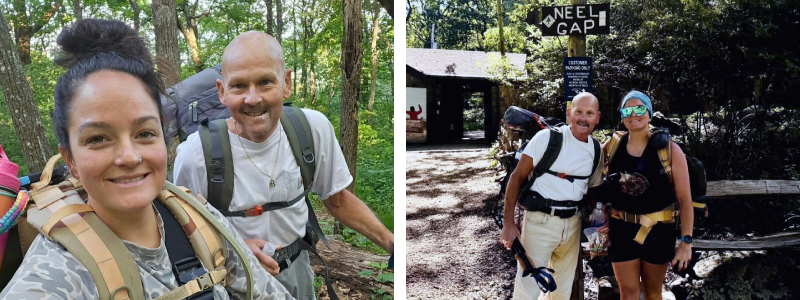
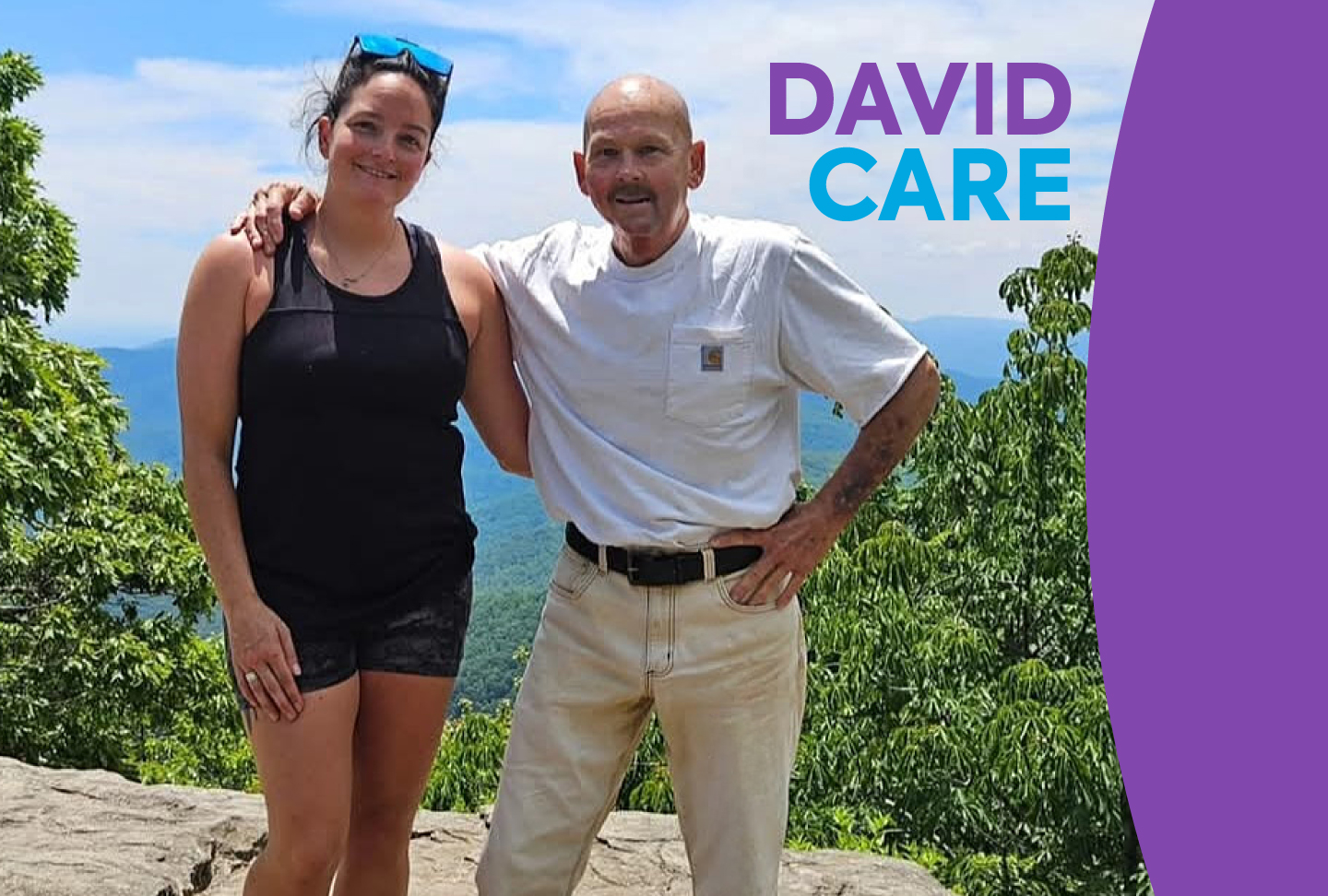
David Butler and his daughter stand triumphantly at Preacher's Rock, the summit of Blood Mountain in North Georgia. The vista of the Blue Ridge Mountains spans the horizon behind them.

PeopleCare

Wellstar PeopleCare | Reaching New Heights After Head & Neck Cancer

David Butler's cancer journey took him through a rare jaw reconstruction, multiple rounds of radiation treatment, chemotherapy, intense rehabilitation and coordinated care from specialists across Wellstar.

From survival to summit

After David did the hard work of fighting cancer twice and feeling like recovery was truly sailing along, he set a new goal. David and one of his daughters, Madeline Hawkins, completed a hiking and camping trip that included summiting Blood Mountain in North Georgia. They covered 14 miles, camping overnight and making friends along the trail.

Fully loaded with walking sticks, packs on their backs and huge smiles, David and his daughter head out for a multiple day hiking excursion.

The hike wasn't easy.

“I forgot you have to be half mountain goat!” he quipped.

David moved at his own pace and pushed through lingering fatigue. Reaching the summit’s stunning vista at Preacher’s Rock was a reminder of how far he had come since his cancer diagnosis.

Keep reading
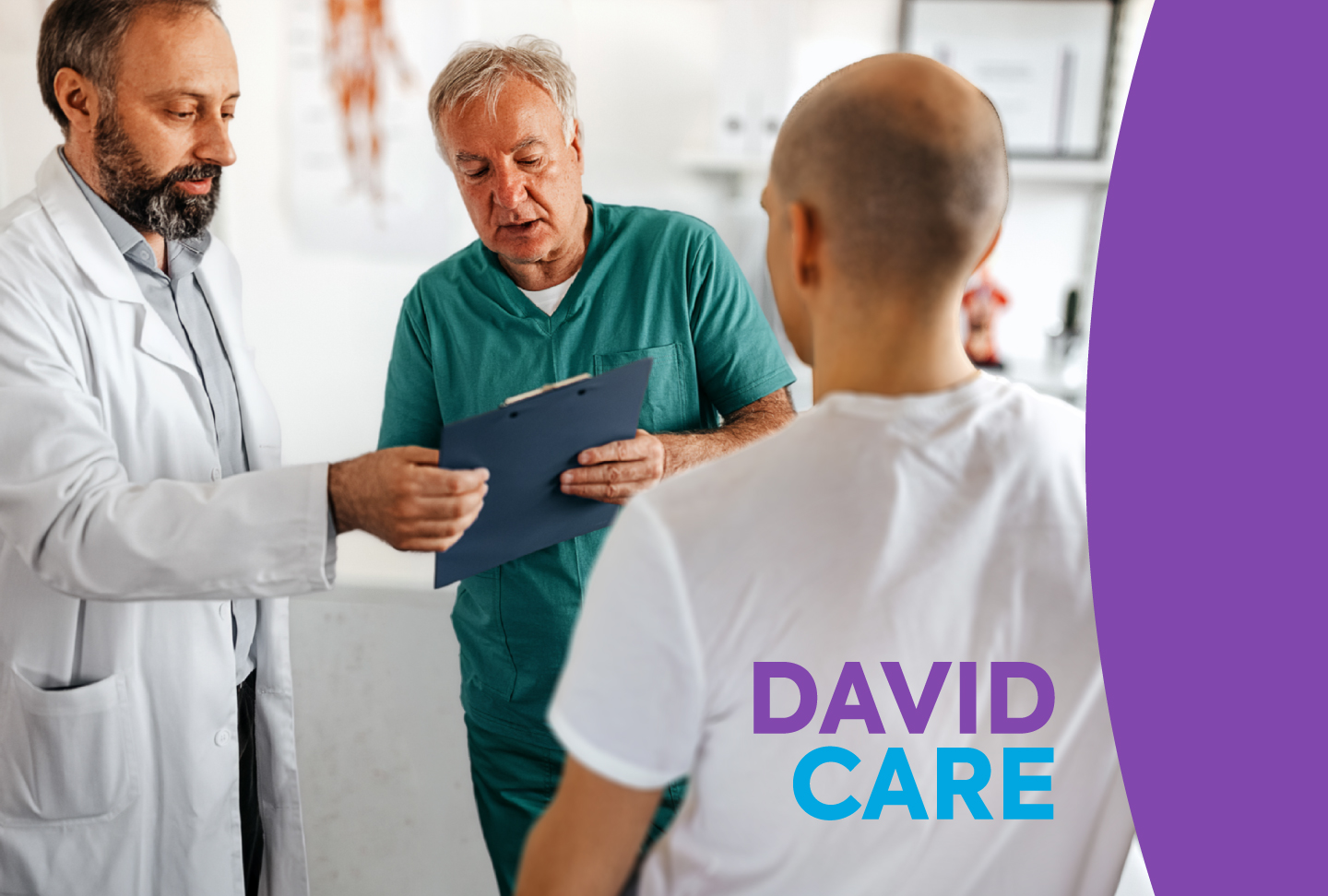
Male and female head and neck cancer specialists stand together looking at a chart and discussing the best treatment for a complex case of head and neck cancer.

PeopleCare

Wellstar PeopleCare | Beating Cancer Twice with Coordinated Care

David Butler’s cancer journey began when he underwent treatment for an aggressive head and neck cancer. Supported by his family, faith and a team of head and neck cancer specialists, he had part of his jaw removed and went through radiation therapy and intense rehabilitation.

A major setback

The same year of his jaw surgery and initial radiation course, David’s recovery was beginning to feel like “smooth sailing.” Just as life started to feel manageable again, he faced an unexpected challenge.

David and his wife, Jill, got devastating news: routine follow-up imaging revealed three new tumors on the other side of his neck and tongue. Dr. Fiyin Sokoya, David’s cancer surgeon, removed lymph nodes from David’s neck, had them biopsied and confirmed that it was an aggressive cancer.

At first, David felt so discouraged that he didn’t want to move forward with treatment.

However, seeing that a group of experts were working together to give him the best, evidence-based treatment path for his unique circumstance gave him confidence to renew his fight against cancer.

Keep reading
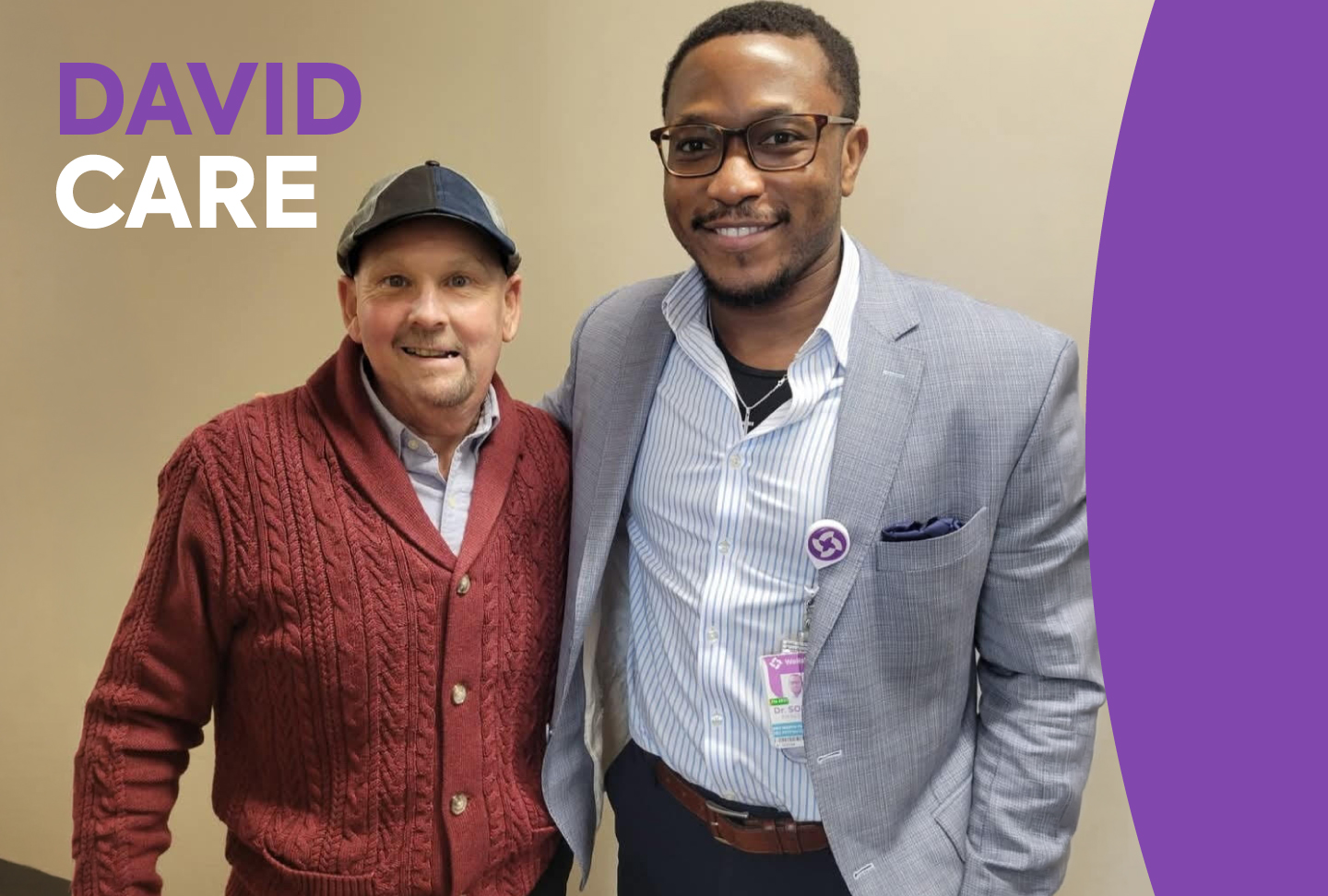
David Butler stands, smiling, with Dr. Fiyin Sokoya, a dual board-certified head and neck cancer specialist and facial plastic surgeon at Wellstar.

PeopleCare

Wellstar PeopleCare | Moving Fast, Working Together: Advanced Head & Neck Cancer Surgery Keeps David Smiling

David Butler's cancer journey took him through a rare jaw reconstruction, radiation and coordinated care from specialists across Wellstar. His care team collaborated to provide what he needed as quickly and efficiently as possible.

A bothersome mouth sore

Lean and energetic, David is quick with a joke and even quicker with a smile. A neatly trimmed mustache frames a grin that lights up his blue eyes, illuminating his trademark optimism and humor. They’re qualities he kept intact throughout cancer treatment and draws on today, when he encourages people who are newly diagnosed with cancer.

It started with a sore on his gum in the fall of 2023. He assumed it would heal on its own. Instead, it got worse. When he could hardly swallow a few months later, his dentist referred him to an oral surgeon for a biopsy. That’s when he got the life-changing news: it was cancer.

“You hear the big C and it scares you to death,” David said. “But there's light at the end of the tunnel. There's always hope.”

What followed was cancer treatment involving surgery, radiation, chemotherapy and support from a whole team of cancer specialists. Along the way, David said he leaned on his faith, the support of his wife, Jill, who he credits as his biggest advocate—and the expertise of Wellstar caregivers.


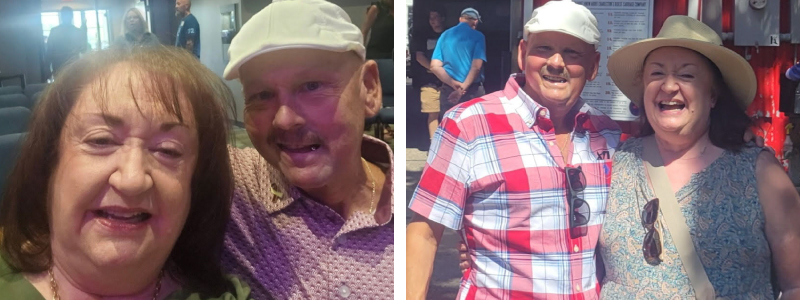
David Butler grins standing next to his wife Jill, who he credits as his biggest advocate throughout treatment.
Keep reading

COMMUNITY CARE

Community Care
In the Community Health Highlights Events & Classes
For Business
Corporate Purchasing Community Health Needs Assesment
Give
Wellstar Foundation Donate Ways to Give Volunteer

ABOUT US

About Wellstar Diversity Equity Inclusion & Belonging Leadership Wellstar Board of Trustees Healthcare Innovation Safety First Commitment Wellstar Research Institute Latest News

CAREERS & EDUCATION

Careers at Wellstar Graduate Medical Education Pharmacy Residency

PATIENT RESOURCES

Pay Your Bill Accepted Insurance

HELP

Contact Us Hospital Transparency Information Price Transparency Policy and Privacy Information

MEDIA

Media Room

Copyright © 2026 Wellstar Health System. All Rights Reserved.

Wellstar does not discriminate on, exclude people or treat them differently on the basis of race, color, national origin, age, disability, sex, gender identity or expression or any other type of discrimination prohibited by law.

  • Internet Privacy Policy
Cookie Preferences

We use cookies for booking and general analytics. Learn more about or internet privacy policy.