Article Category: Newsroom
Wellstar Kennestone Expands Care with New Tower
Published on April 13, 2026
Last updated 04:51 PM April 13, 2026
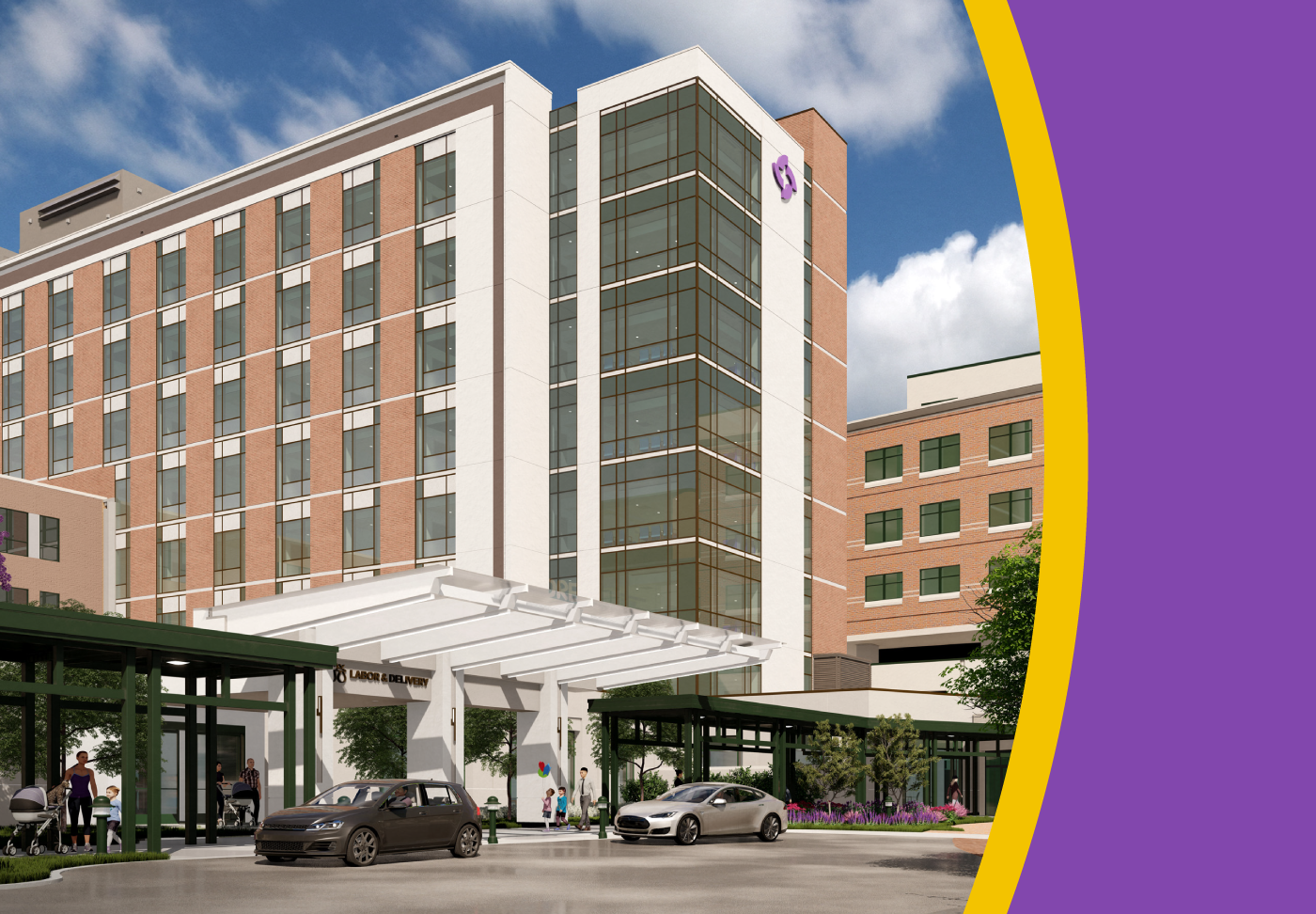
Communities across Cobb County and Metro Atlanta are growing quickly—and so is the need for world-class healthcare.
The new Yellow Tower at
Wellstar Kennestone Regional Medical Center
is helping meet that need. The nine-story, 235-bed patient tower expands hospital capacity, strengthens specialty care and enhances the patient experience through state-of-the-art technology and spaces that support healing.
Opening to patients April 15, 2026, the tower represents a $400 million investment in the future of healthcare for the region—helping ensure families across Georgia can access expert care when and where they need it.
Read related articles

Highlights
Health Equity Is Good for Healthcare Business—And Better Care for Everyone
As healthcare evolves, hospital systems prioritize not only the level of care they provide, but also how well they respond to the needs of the people they serve.
This is true with programs like Anthem Blue Cross and Blue Shield’s Quality-In-Sights: Hospital Incentive Program (Q-HIP), which scores organizations’ health equity efforts.
When we invest in equitable care, our patients receive better treatment, our team members feel supported and we have additional resources that we can use to improve care.
Why do programs rewarding health equity matter?
Programs like Q-HIP recognize healthcare organizations for delivering high-quality, patient-centered care. Rather than focusing on how many patients are seen, these models score performance across quality, safety, outcomes and experience.
Programs like Q-HIP align with Wellstar's mission to enhance the health and well-being of every person we serve.
Health equity’s role in Anthem’s Q-HIP program
Q-HIP has recognized Wellstar with a reimbursement bonus point for health equity, acknowledging our efforts to reach underserved patients and tailor our care to the communities and people we serve.
“Programs like Q-HIP make it clear that equity work isn’t separate from performance—it’s part of how we deliver quality and earn the resources we reinvest back into patient care,” said Mindy St. George, Wellstar assistant vice president of managed care.
The Q-HIP health equity assessment evaluates whether health systems:
- Commit to advance health equity
- Collect and analyze demographic and social needs data
- Look at quality measures to identify disparities
- Work to improve disparities and gaps in care
- Involve leadership in equity efforts
To provide high-quality care, you need to address inequities.
Wellstar’s approach: Equity as responsiveness
At Wellstar, health equity is part of everything we do. Through Wellstar Community Health and Center for Health Equity, equity is embedded into how we design care, improve quality, engage leadership across the system and analyze data.
We focus on understanding who we serve, identifying barriers to care and continuously improving how services are delivered.
“Health equity is not an add-on to our work—it’s how we deliver better care,” said Elise Lockamy-Kassim, Wellstar assistant vice president of community health and Center for Health Equity. “When healthcare systems are responsive to people’s needs, outcomes improve, care becomes more efficient and everyone benefits.”
Why equity investments benefit everyone
When patients can access care more easily and feel like their clinicians care about them, they’re more likely to get the preventative care they need. This helps them manage chronic conditions like diabetes, stay ahead of disease and avoid unnecessary hospitalizations.
Equity-driven improvements also support Wellstar team members by improving workflows and enabling us to invest resources in our people.
“When we focus on health equity, we’re strengthening the entire system,” said Dr. Earl Stewart, Wellstar medical director of health equity. “Better data and better responsiveness lead to better care—for every patient, every time.”
Why continued investment matters
Programs like Q-HIP make it clear: Equity performance is quality performance and quality performance is rewarded.
For Wellstar, continued investment in health equity means:
- Stronger performance in programs like Q-HIP
- Resources to reinvest in team members and care
- Better outcomes for patients across all communities
- A healthcare system that is responsive, resilient and sustainable

PeopleCare
Wellstar PeopleCare | Beating Cancer Twice with Coordinated Care
David Butler’s cancer journey began when he underwent treatment for an aggressive head and neck cancer. Supported by his family, faith and a team of head and neck cancer specialists, he had part of his jaw removed and went through radiation therapy and intense rehabilitation.
A major setback
The same year of his jaw surgery and initial radiation course, David’s recovery was beginning to feel like “smooth sailing.” Just as life started to feel manageable again, he faced an unexpected challenge.
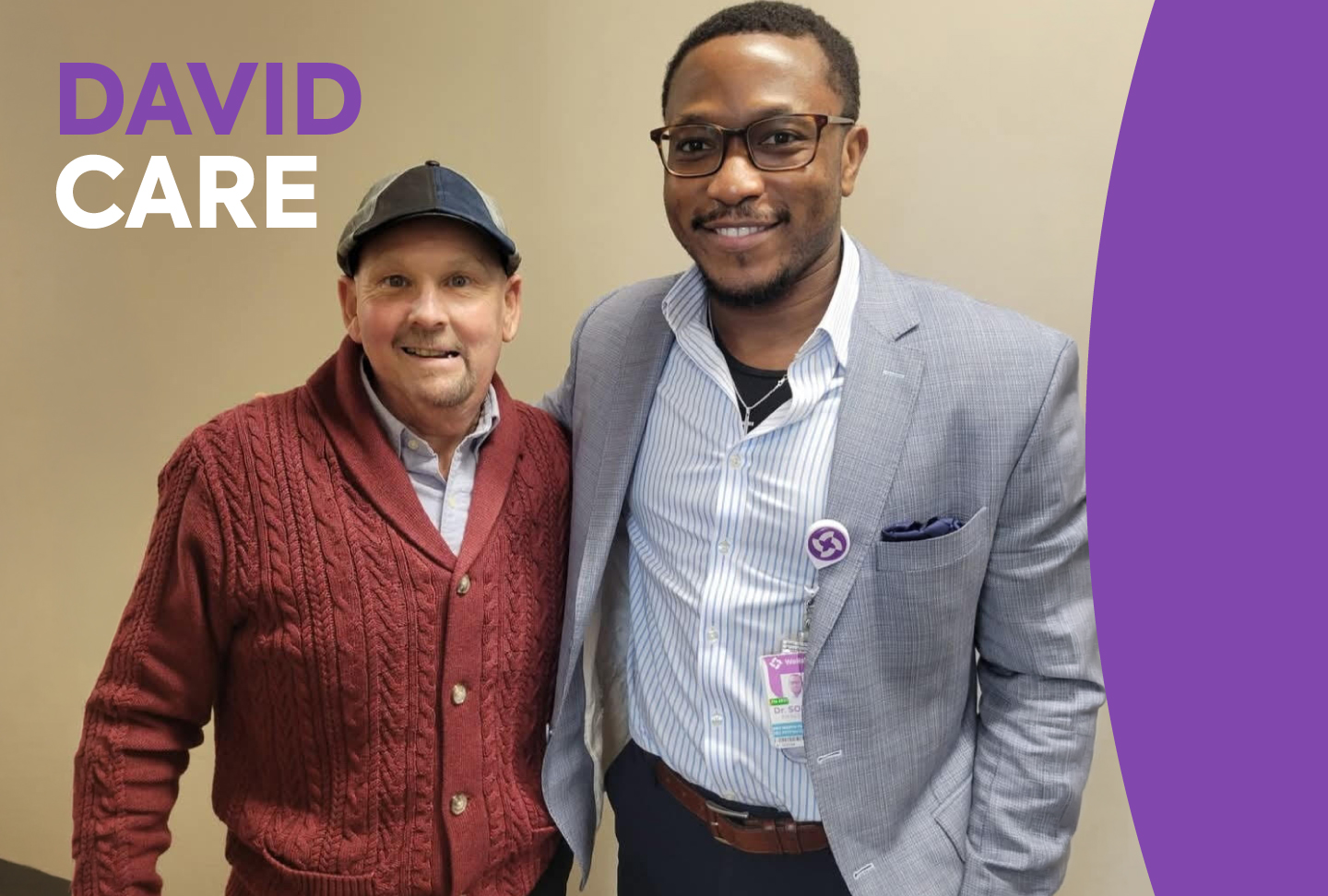
David and his wife, Jill, got devastating news: routine follow-up imaging revealed three new tumors on the other side of his neck and tongue. Dr. Fiyin Sokoya, David’s cancer surgeon, removed lymph nodes from David’s neck, had them biopsied and confirmed that it was an aggressive cancer.
At first, David felt so discouraged that he didn’t want to move forward with treatment.
However, seeing that a group of experts were working together to give him the best, evidence-based treatment path for his unique circumstance gave him confidence to renew his fight against cancer.
PeopleCare
Wellstar PeopleCare | Moving Fast, Working Together: Advanced Head & Neck Cancer Surgery Keeps David Smiling
David Butler's cancer journey took him through a rare jaw reconstruction, radiation and coordinated care from specialists across Wellstar. His care team collaborated to provide what he needed as quickly and efficiently as possible.
A bothersome mouth sore
Lean and energetic, David is quick with a joke and even quicker with a smile. A neatly trimmed mustache frames a grin that lights up his blue eyes, illuminating his trademark optimism and humor. They’re qualities he kept intact throughout cancer treatment and draws on today, when he encourages people who are newly diagnosed with cancer.
It started with a sore on his gum in the fall of 2023. He assumed it would heal on its own. Instead, it got worse. When he could hardly swallow a few months later, his dentist referred him to an oral surgeon for a biopsy. That’s when he got the life-changing news: it was cancer.
“You hear the big C and it scares you to death,” David said. “But there's light at the end of the tunnel. There's always hope.”
What followed was cancer treatment involving surgery, radiation, chemotherapy and support from a whole team of cancer specialists. Along the way, David said he leaned on his faith, the support of his wife, Jill, who he credits as his biggest advocate—and the expertise of Wellstar caregivers.