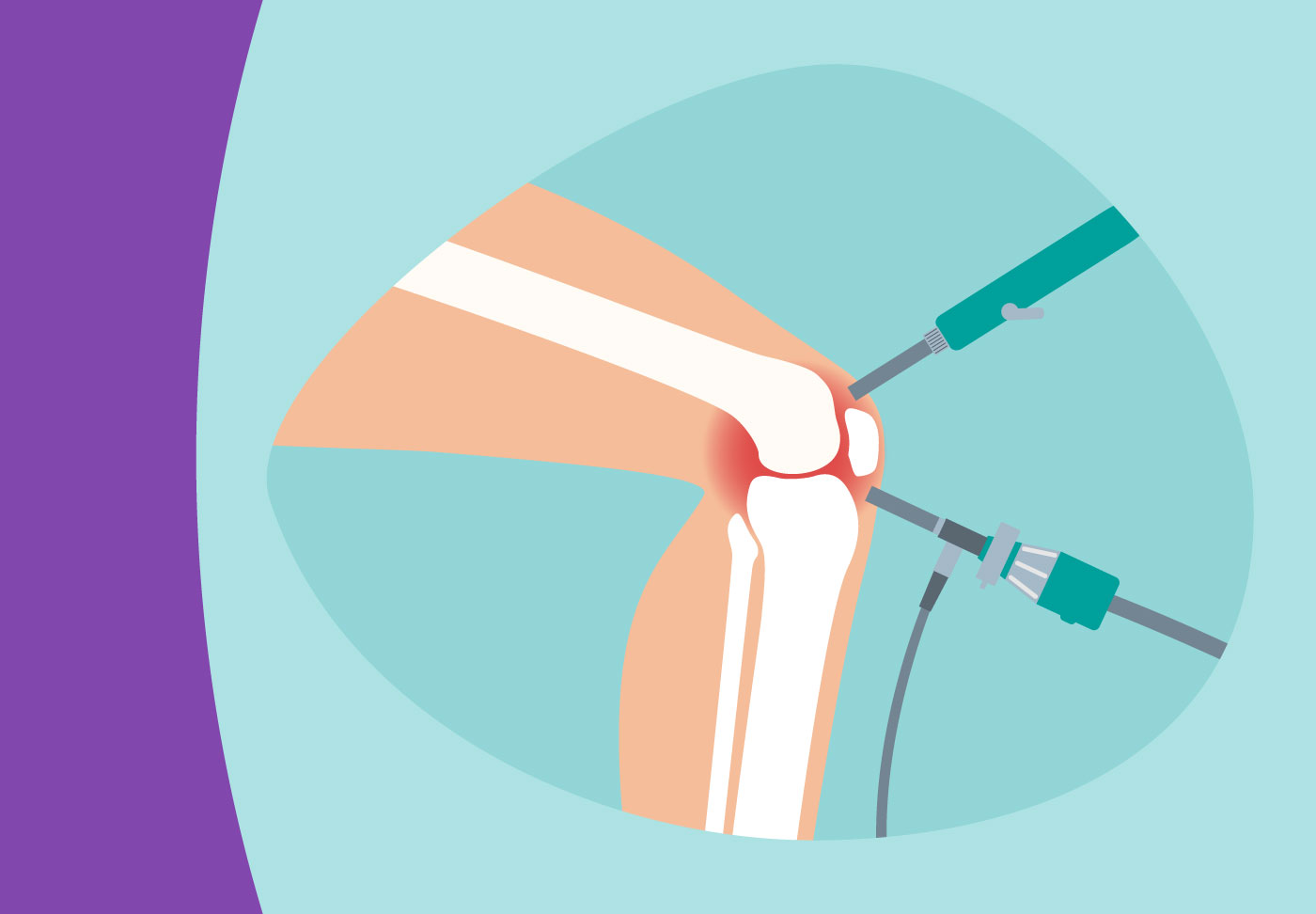
For many of us, the golden years are a time to look forward to—an opportunity to travel, spend time in the garden, play with grandchildren or finally perfect our golf swing. However, chronic joint pain can quickly turn these anticipated moments into daily struggles. When a stiff hip makes getting out of the car an ordeal or a throbbing knee turns a simple walk around the neighborhood into a painful chore, it significantly impacts your quality of life.
It’s a common misconception that severe joint pain is an inevitable part of getting older that must be endured. While wear-and-tear on our bodies is natural, living in constant discomfort is not. Fortunately, modern orthopedic advancements offer powerful solutions, including total hip and knee replacements, to help you reclaim your mobility and independence. But how do you know when it is time to move past temporary fixes and consider a joint replacement?
Recognizing the warning signs
In the early stages of joint degradation—often caused by osteoarthritis—minor lifestyle adjustments, over-the-counter pain relievers or occasional ice packs might keep the discomfort at bay. However, as the cartilage that cushions your joints wears away, the bone-on-bone friction can worsen.
It may be time to consult an orthopedic specialist if you experience any of the following:
- Severe pain during everyday activities: If walking, bending down or climbing stairs causes significant distress, your joint health is actively limiting your daily life.
- Pain that disrupts your sleep: Waking up in the night due to a throbbing hip or knee is a strong indicator that the inflammation has become severe.
- Rest and medication no longer offer relief: If physical therapy, cortisone injections and anti-inflammatory medications are no longer moving the needle, the joint may be structurally compromised.
- A noticeable loss of mobility or chronic stiffness: Finding it difficult to put on your shoes, cross your legs or fully straighten your knee suggests advanced joint deterioration.
Modern approach to care
Deciding to undergo a joint replacement is a significant milestone, but it is important to know that the procedure has evolved dramatically over the last decade. Today, hip and knee replacements are among the most reliable and successful surgeries performed in medicine.
Thanks to advancements in surgical techniques, specialized instrumentation and personalized digital planning, modern joint replacements are highly precise. Surgeons can precisely match the implant to your unique anatomy. For patients, this translates to less tissue disruption, reduced post-operative pain and a much smoother rehabilitation process.
The philosophy surrounding recovery has also shifted. We no longer expect patients to spend weeks confined to a hospital bed. In fact, most patients are up and walking with the assistance of physical therapy the very same day as their surgery. Many joint replacements are now performed on an outpatient basis, allowing patients to recover in the comfort of their own homes.
Reclaiming your active lifestyle
The ultimate goal of a hip or knee replacement is not just to alleviate pain, but to restore your freedom. Within a few months of dedicated physical therapy, the vast majority of patients find themselves doing things they haven’t been able to do comfortably in years. Whether that means returning to low-impact sports, traveling without worrying about the walk through the airport or simply playing on the floor with family, the transformation can be profound.
If chronic knee or hip pain is forcing you to sit on the sidelines of your own life, remember that you have options. Surgery is rarely the first step, but when conservative treatments fall short, a joint replacement can be the key to turning back the clock on your mobility.
You don't have to manage severe pain alone. Take the first step by speaking with an orthopedic specialist to evaluate your joints, discuss your goals and design a personalized treatment plan that helps you age gracefully, actively and on your own terms.