SKIP NAVIGATION
MyChart Search
Wellstar Go Back
MyChart
  • Find a Doctor
  • Locations
  • Medical Services
    Popular Services
    • Emergency Care
    • Urgent Care
    • Virtual Care
    • Primary Care
    • Women's Health
    • Pediatric Care
    • Cancer Care
    • Heart Care
    • Neuro Care
    • Orthopedics
    • View All Medical Services
    Expanded Services
    • Lab Services
    • Imaging
    • ENT
    • Pulmonary
    • Gastroenterology
    • Urology
    • Physical Therapy
    • Behavioral Health
    • Pharmacies
    • View All Medical Services
    For Providers
    • Refer a Patient
    • Transfer a Patient
    • Physician Relations
    • Wellstar Clinical Partners
    • Provider Resources
  • Patient Resources
    Patient Portal
    • MyChart Login
    • Sign-Up for MyChart
    • Get Medical Records
    Visiting
    • Visitation Guidelines
    • Patient Guides
    • Find My Way
    Billing & Insurance
    • Accepted Insurance
    • Pay Your Bill
    • Financial Assistance
  • Wellstar for You
    Community
    • Classes and Events
    • Center for Health Equity
    • Support Groups
    • Community Outreach
    • Wellstar Find Help
    • Translation Services
    • Volunteer Opportunities
    Health Content
    • Articles
    • PeopleCare
  • Find a Doctor
  • Locations
  • Medical Services
  • Patient Resources
  • Wellstar for You

Popular Services

Emergency Care Urgent Care Virtual Care Primary Care Women's Health
Pediatric Care Cancer Care Heart Care Neuro Care Orthopedics

Expanded Services

Lab Services Imaging ENT Pulmonary Gastroenterology
Urology Physical Therapy Behavioral Health Pharmacies View All Medical Services

For Providers

Refer a Patient Transfer a Patient Physician Relations Wellstar Clinical Partners Provider Resources

Patient Portal

MyChart Login Sign-Up for MyChart Get Medical Records

Visiting

Visitation Guidelines Patient Guides Find My Way

Billing & Insurance

Accepted Insurance Pay Your Bill Financial Assistance

Community

Classes and Events Center for Health Equity Support Groups Community Outreach
Wellstar Find Help Translation Services Volunteer Opportunities

Health Content

Articles PeopleCare
Image of patient in CT scan machine

Cardiac Diagnostics & Imaging

Cardiac diagnostics and imaging help our cardiovascular experts
understand your heart and create the best treatment plan to optimize your heart health.
Using advanced imaging technology to provide a clear picture of your heart's function,
we offer a range of tests to diagnose and monitor heart conditions,
helping you get the peace of mind you deserve.

  • Cardiac Diagnostics and Imaging Services
  • About
  • PeopleCare Stories
  • Services
  • Locations
  • Home
  • Medical Services
  • Diagnostic
  • Cardiac Diagnostics and Imaging Services

About


Advanced Heart Technology & Expertise

Heart care experts at Wellstar collaborate in a multidisciplinary fashion to diagnose people with heart conditions and develop the most personalized treatment plan to make sure your heart is working its best.

While cardiologists may perform some tests in their office, they may refer you for more advanced imaging. We use advanced technology to make and analyze sophisticated images of the heart.

The cardiac imaging and diagnostics team supports your team of heart care specialists in understanding what is causing symptoms. Imaging is also often needed to monitor your heart to see if medicines and other treatments are working.

Services


Types of Diagnostics & Cardiac Imaging

Our cardiovascular experts use a combination of tests to make the most accurate diagnosis. Some cardiac diagnostic tests are performed in the office by your cardiologist or by a lab. To provide you with the most accurate diagnosis, your doctor may refer you to a specialized cardiac diagnostic center for these types of imaging and tests:

  • Calcium CT scoring (heart screening)
  • Electrocardiogram (EKG)
  • Echocardiogram
  • Transesophageal echocardiogram
  • Cardiac monitors
  • Stress tests and stress tests with imaging
  • Cardiac CT & Cardiac CT with FFR (HeartFlow) 
  • Cardiac MRI
  • Nuclear imaging/SPECT study
  • Tilt table testing
  • Cardiac catheterization

Calcium CT scoring

Calcium CT scoring is a non-invasive test that detects calcified plaque in the coronary arteries and rates a person’s risk level for heart attack or coronary artery disease. This test is performed through our Know Your Heart Screening program.

Electrocardiogram (EKG)

An electrocardiogram (EKG) is a painless test commonly used to monitor electrical signals in the heart. An EKG can help detect irregular heart rhythms, blocked or narrowed arteries or learn whether someone has had a heart attack. It can also indicate whether treatments are working. We typically conduct EKGs with a Holter Monitor, a portable device worn on the chest.

Echocardiogram

An echocardiogram—or echo—is a non-invasive ultrasound that sends high-frequency soundwaves to create images of the heart. It helps your doctors analyze both the heart structures and blood flow within. The purpose is to see if every part of the heart wall is helping the heart pump normally. Weakened areas may be a sign of coronary artery disease.

Transesophageal echocardiogram (TEE)

A transesophageal echocardiogram produces more detailed images of the heart with sound waves than a standard echocardiogram. An interventional cardiologist uses a small tool that makes sound waves—a transducer connected to a thin tube—and passes it through the mouth, down the throat and into the esophagus. This provides clearer images than a traditional echocardiogram because the sound waves are closer to the heart and don’t have to pass through skin, bone and muscle.

Cardiac monitors

A cardiac monitor is a specialized device that records the electrical activity of a person’s heart for a set amount of time. There are a few options including portable devices like the Holter monitor, which continuously records the heart’s rhythm for 24 to 48 hours. Other devices can be implanted or worn on the body to track heart activity for a longer period. For example, a loop recorder implanted underneath the skin can monitor a person’s heart for up to three years.

Stress tests

A stress test looks for signs that the heart is pumping blood efficiently or inefficiently. Also known as an exercise stress test, this evaluation is performed on a treadmill or stationary bike while monitoring a person’s blood pressure, breathing and heart rate. A stress test may be recommended if someone has symptoms of a heart condition or to see how well a heart treatment is working.

To learn more about the heart’s performance, a stress test can be combined with an echocardiogram or 3D imaging such as a cardiac CT, a cardiac MRI or nuclear imaging/SPECT study. These advanced imaging tests aid in more accurate diagnosis and procedure planning. 

Cardiac CT

A cardiac computed tomography CT scan takes a specialized X-ray of the heart. The scan looks for plaque build-up, a substance made of fat and calcium that can narrow or close the arteries that supply blood to the heart. When a cardiac CT suggests that there may be a blockage, Wellstar physicians can analyze the fractional flow reserve (FFR) with leading-edge HeartFlow Analysis technology. This test details how each blockage impacts blood flow to the heart. 

Cardiac MRI

A cardiac MRI is a type of imaging that uses large magnets and radio frequencies to see the heart valves and major vessels. It can help detect coronary artery disease and how much damage it has caused, assess heart problems that have been present since birth and identify tumors. It is often used to prepare for heart procedures and surgery. 

Tilt table testing

A tilt table test evaluates the cause of repeated, unexplained moments of dizziness and fainting. This test can help trigger the symptoms while also monitoring heart rate and blood pressure.

Cardiac catheterization 

A cardiac catheterization is a test and treatment for heart blockages. Guided by imaging, an interventional cardiologist inserts a catheter into an artery in the groin or arm to travel to the heart to look for blockages in the coronary arteries. We inject dye through the catheter to help blood vessels appear on the image. If a blockage requires treatment, a balloon can be inserted through the catheter and inflated to improve the blood flow. A mesh tube (stent) keeps the dilated artery open.
Image of Center for Cardiovascular Care Logo

More Information

For more information, call our outreach line.

(770) 956-STAR

PeopleCare Stories


Tom playing pickleball

TomCare

When active dad Tom Murphy realized he was having trouble keeping up with his kids when they played ball together, he turned to his cardiologist at Wellstar Kennestone to help him create a personalized heart care action plan—a plan that may have saved his life.

Read his story
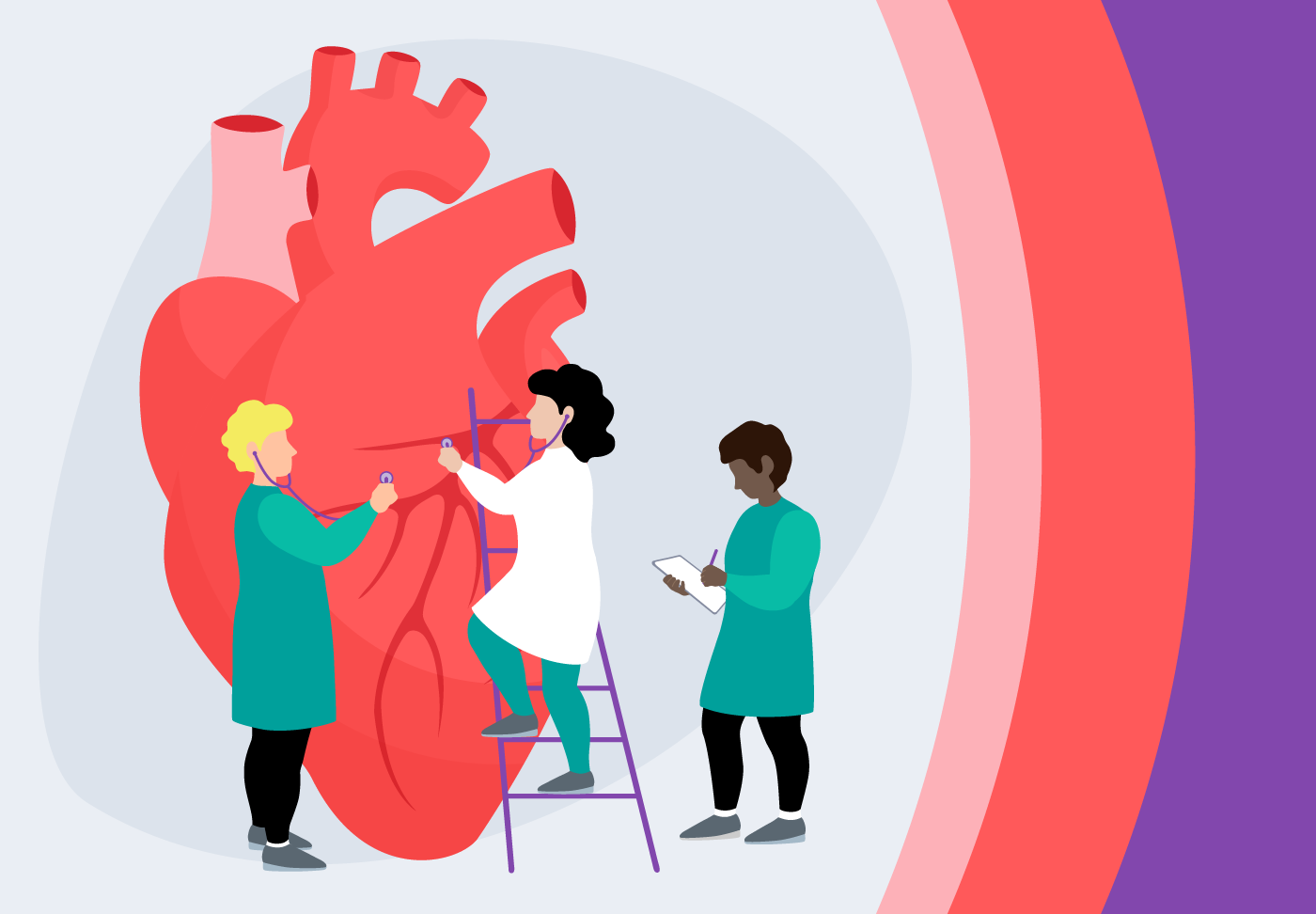
Illustration of cardiovascular experts repairing a heart together.

Advanced Heart Care

When it comes to getting high-quality care for your heart, count on Wellstar for leading expertise, innovative treatments and compassionate care to protect your cardiovascular health.

Learn more
Illustration of an ambulance driving

Save Lives, Don’t Drive — When to Call 911

In the case of a heart attack or stroke, call 911 immediately—don’t drive yourself or another person to the hospital.

Learn more
callouticon
Do I need a referral for cardiac imaging?
Yes, a referral from your cardiologist is required. 
https://www.wellstar.org

Wellstar Center for Cardiovascular Care Locations


COMMUNITY CARE

Community Care
In the Community Health Highlights Events & Classes
For Business
Corporate Purchasing Community Health Needs Assesment
Give
Wellstar Foundation Donate Ways to Give Volunteer

ABOUT US

About Wellstar Diversity Equity Inclusion & Belonging Leadership Wellstar Board of Trustees Healthcare Innovation Safety First Commitment Wellstar Research Institute Latest News

CAREERS & EDUCATION

Careers at Wellstar Graduate Medical Education Pharmacy Residency

PATIENT RESOURCES

Pay Your Bill Accepted Insurance

HELP

Contact Us Hospital Transparency Information Price Transparency Policy and Privacy Information

MEDIA

Media Room

Copyright © 2026 Wellstar Health System. All Rights Reserved.

Wellstar does not discriminate on, exclude people or treat them differently on the basis of race, color, national origin, age, disability, sex, gender identity or expression or any other type of discrimination prohibited by law.

  • Internet Privacy Policy
Cookie Preferences

We use cookies for booking and general analytics. Learn more about or internet privacy policy.