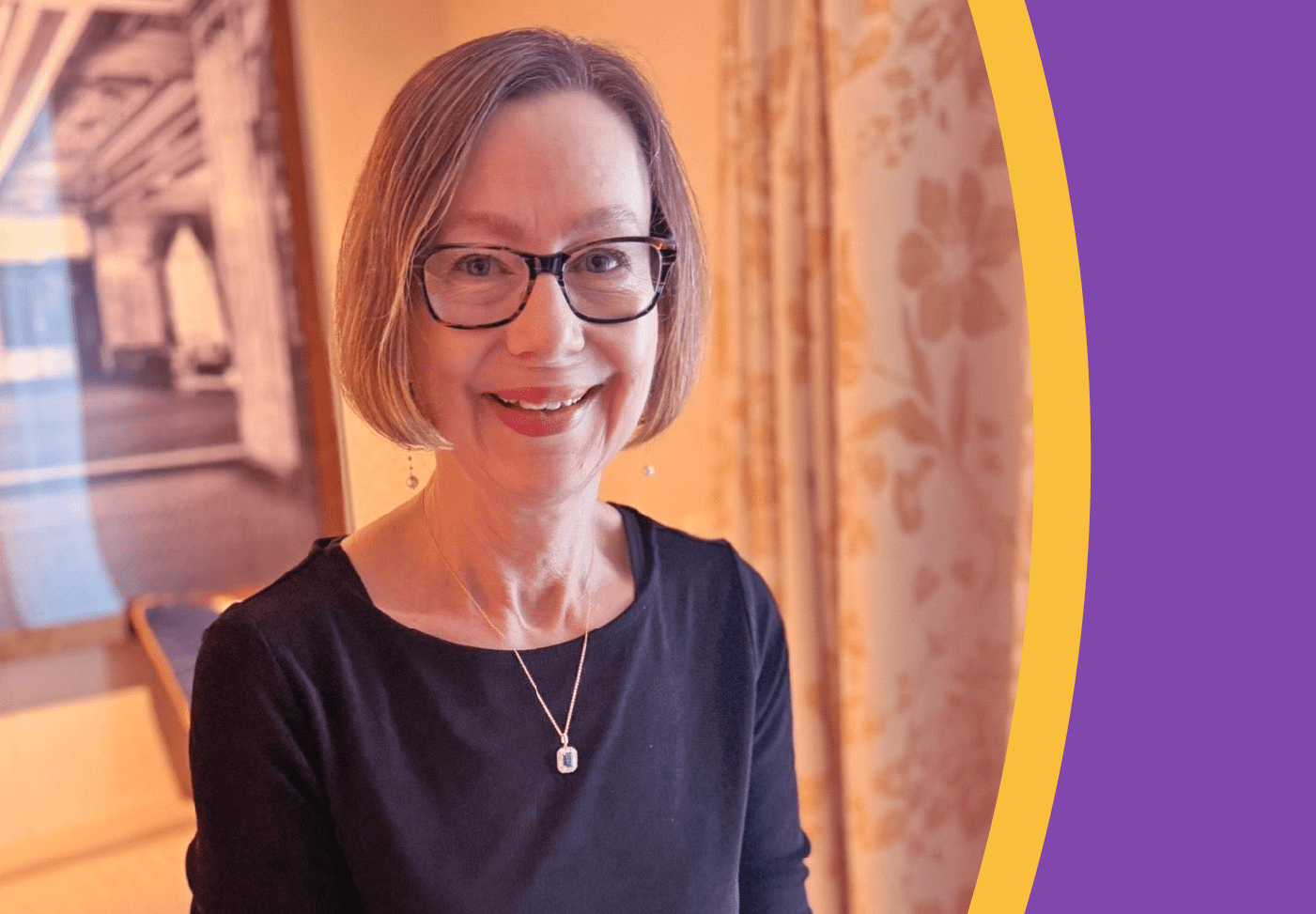
As summer approaches, the familiar hum of cicadas—noisy, winged insects common across Georgia—often fills the air. For 66-year-old Jeri Ann Herman of Smyrna, that buzzing sound once felt constant—even indoors and in the quiet moments of daily life.
What she was hearing wasn’t coming from outside.
Looking back, Jeri Ann said she likely began experiencing hearing loss around age 60. At first, the changes were subtle. She found herself asking others to speak up or repeat themselves, brushing off the difficulty as a normal part of aging.
“I developed hearing ‘crutches,’” she said. “Turning up the TV worked at home, but conversations in restaurants became really difficult. I’d only heard negative things about hearing aids, so I kept telling myself I didn’t want to deal with more frustration.”
Over time, conversations became harder to follow. Family gatherings, once full of laughter and connection, left her feeling increasingly disconnected. Often, she said, she would smile along without fully understanding what was being said.
Eventually, Jeri Ann sought medical help for what she described as a constant sound of “cicadas” in her ears. She was diagnosed with tinnitus, a condition that causes the perception of sound when no external noise is present.
Working with Wellstar Audiologist Dr. Brooke Watkins, Jeri Ann began exploring ways to manage both her hearing loss and the persistent buzzing.
“Jeri Ann actually has a specific program built into her devices that she can turn on when needed,” Dr. Watkins said. “It plays what we call a ‘masker’ to help distract her from the sounds she’s hearing, similar to a white noise machine you might use for sleep. We customized that setting for her in the office so it better counters the cicada-like buzzing and gives her relief throughout the day.”
With guidance from Watkins and Wellstar lead ear, nose and throat physician Dr. Timothy Ryan, Jeri Ann tried several options before finding the right fit. Today, she wears custom in-ear hearing aids designed specifically for her needs—and they’re so small, no one even notices them.
“Finding Dr. Watkins was a game-changer,” she said. “She truly believes everyone deserves to hear, and she took the time to find what worked for me. When one hearing aid didn’t fit and was uncomfortable, she had it completely redone.”
The results were remarkable. The constant internal noise faded, and everyday conversations became clearer again.
“Many patients don’t realize how much hearing loss and tinnitus are affecting their day-to-day lives until they experience the difference,” Dr. Ryan said. “When we treat both, it’s not just about reducing noise. It’s about restoring clarity, confidence and the ability to stay connected to the people and moments that matter most.”
Hearing loss is common, particularly among older adults. About 1 in 3 adults ages 65 to 74 have hearing loss, and nearly half of adults 75 and older are affected, according to the National Institute on Deafness and Other Communication Disorders. Tinnitus is closely linked, often occurring when tiny sensory cells in the inner ear are damaged, and the brain compensates by creating its own sound.
For Jeri Ann, addressing both conditions brought relief she hadn’t thought possible.
“Aging comes with challenges,” she said. “I got glasses when my vision changed, so hearing aids should have been the next step. But it didn’t happen until I was emotionally ready.”
Now, she is once again fully engaged in conversations with her husband, children and grandchildren, no longer sidelined by the sounds she couldn’t control.
Jeri Ann hopes sharing her story will encourage others to recognize the signs of hearing loss and seek help sooner.
“I didn’t realize how much I was missing,” she said. “Now I don’t want to miss a thing.”